

Stone Pneumatic Conveying Technology: Principles, Applications, and Development Trends
Stone pneumatic conveying technology represents a sophisticated method for transporting bulk materials, particularly stones and aggregates, through a pipeline system using air as the conveying medium. This technology has become increasingly vital in various industrial sectors, offering efficient, flexible, and often dust-free solutions for material handling. The fundamental principle involves creating a pressure differential or using vacuum to move particles through a sealed pipeline, making it suitable for a wide range of applications from construction to mining.
Principles of Pneumatic Conveying
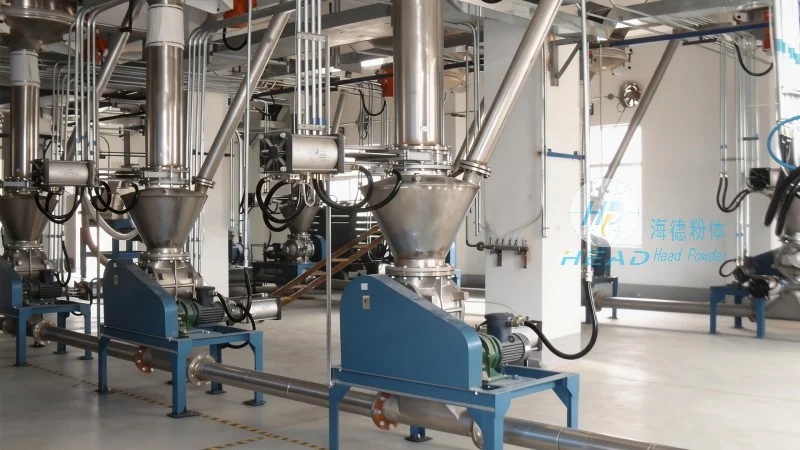
The core principles of stone pneumatic conveying revolve around the interaction between the material, the conveying air, and the pipeline system. There are primarily two types of pneumatic conveying systems: pressure and vacuum. In pressure systems, air is compressed and introduced at the inlet, pushing the material through the pipeline. Conversely, vacuum systems use a vacuum pump to draw material into the pipeline. For stone materials, which are typically abrasive and heavy, the system design must account for factors such as particle size, density, and flow characteristics to ensure optimal performance. The conveying velocity and pressure drop are critical parameters that determine the efficiency and reliability of the system. Proper design of the hopper, inlet, and pipeline diameter is essential to prevent blockages and maintain consistent flow. Additionally, the use of appropriate air velocities, often ranging from 20 to 30 meters per second, helps in achieving stable conveying without causing excessive wear on the equipment.
Applications in Industrial Settings
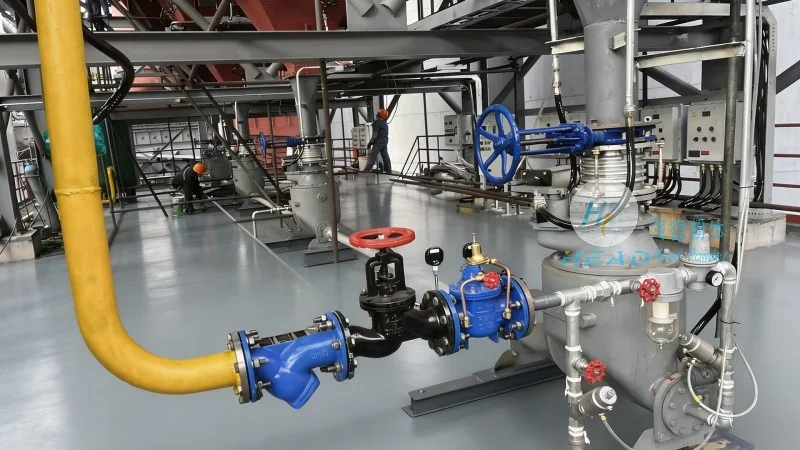
HeadPowder, a leading provider of engineering solutions, utilizes stone pneumatic conveying technology in diverse industrial applications. In the construction industry, this technology is employed for transporting aggregates, sand, and gravel from storage silos to batching plants or mixing stations. The ability to handle large volumes of material with minimal manual intervention enhances productivity and reduces labor costs. In mining operations, pneumatic conveying systems are used to transport crushed stone from processing facilities to storage or shipping areas, improving safety by eliminating the need for manual handling of heavy loads. The technology is also applicable in the manufacturing of concrete products, where precise control over material flow is crucial for maintaining consistent product quality. Furthermore, in the recycling and waste management sectors, pneumatic conveying can be used to transport recycled aggregates or other bulk materials, contributing to sustainable industrial practices. The flexibility of the system allows it to be integrated into existing production lines with minimal disruption, making it a cost-effective solution for many businesses.
Advancements and Future Trends
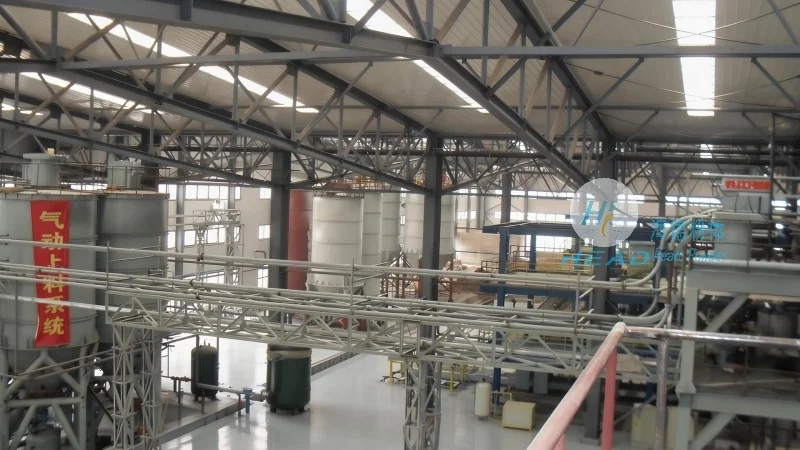
The field of stone pneumatic conveying technology is continuously evolving, driven by advancements in materials science and control systems. Modern systems now incorporate advanced sensors and automation to monitor and adjust conveying parameters in real-time, improving efficiency and reducing operational costs. The development of high-efficiency air compressors and vacuum pumps has enabled more energy-efficient conveying, aligning with global sustainability goals. Additionally, the integration of digital technologies, such as IoT (Internet of Things) and data analytics, allows for predictive maintenance and performance optimization. These advancements are expected to further enhance the reliability and scalability of pneumatic conveying systems. Future trends may include the use of more durable materials, such as stainless steel or specialized coatings, to withstand the abrasive nature of stone particles and extend equipment lifespan. The adoption of green technologies, such as energy recovery systems and low-emission air compressors, will also play a significant role in the future development of this technology. As industries continue to prioritize efficiency and sustainability, stone pneumatic conveying is poised to remain a key component of material handling solutions.
About HeadPowder Engineering
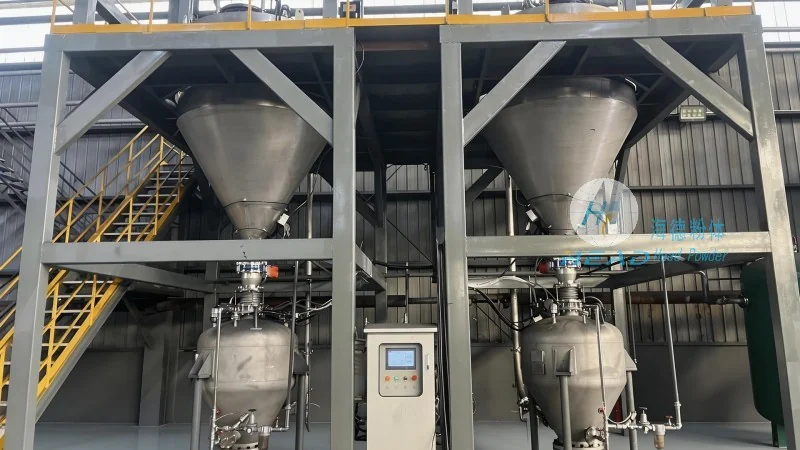
HeadPowder Engineering, based in Shandong, China, is a reputable company specializing in the design, manufacturing, and implementation of pneumatic conveying systems. With years of experience in the industry, HeadPowder provides tailored solutions to meet the specific needs of clients across various sectors. The company's expertise lies in understanding the unique challenges of stone and aggregate handling and developing customized systems that ensure optimal performance and durability. HeadPowder's commitment to quality and innovation has earned it a strong reputation in the market, making it a trusted partner for businesses seeking reliable material handling solutions. By leveraging advanced engineering principles and cutting-edge technology, HeadPowder continues to advance the field of pneumatic conveying, contributing to the efficiency and sustainability of industrial operations worldwide.