

Silicon Carbide Conveying Methods: HeadPowder's Pneumatic Conveying Solutions
When it comes to transporting silicon carbide, the choice of conveying method is critical for efficiency, safety, and cost-effectiveness. Silicon carbide (SiC), a hard, abrasive material widely used in industrial applications, requires specialized handling to prevent damage and ensure smooth operation. Among the various options available, pneumatic conveying stands out as a preferred solution for many manufacturers. This article explores the different silicon carbide conveying methods and highlights the expertise of Shandong HeadPowder Engineering Co., Ltd., commonly known as HeadPowder, in providing advanced pneumatic conveying systems.
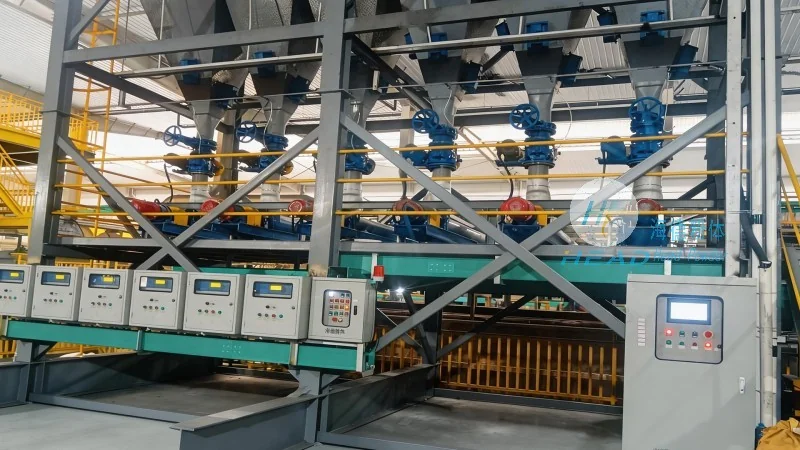
Understanding Silicon Carbide and Its Conveying Challenges
Silicon carbide (SiC) is a synthetic ceramic material renowned for its exceptional hardness, thermal stability, and chemical resistance. It is commonly used in abrasive tools, refractory materials, and semiconductor components. However, due to its abrasive nature and potential for generating dust, conventional bulk material handling methods like belt conveyors or screw conveyors may not be suitable. These methods can cause wear and tear on equipment, leading to higher maintenance costs and reduced operational efficiency. Therefore, industries dealing with silicon carbide often seek alternative solutions that minimize friction and dust generation while ensuring reliable material transport.
HeadPowder's Expertise in Pneumatic Conveying
Shandong HeadPowder Engineering Co., Ltd., based in China, specializes in the design, manufacturing, and implementation of advanced pneumatic conveying systems tailored for abrasive and dusty materials like silicon carbide. With years of experience in the field, HeadPowder has developed a comprehensive range of solutions that address the unique challenges associated with silicon carbide handling. The company's commitment to innovation and customer satisfaction has made it a trusted partner for businesses seeking efficient and reliable material transport solutions.
Types of Pneumatic Conveying Systems for Silicon Carbide
Pneumatic conveying systems use air or other gases to transport bulk materials through a pipeline. For silicon carbide, two primary types of pneumatic conveying are commonly employed: pressure and vacuum systems. Each type has its own advantages and is suitable for different operational scenarios.
Pressure Pneumatic Conveying Systems
Pressure pneumatic conveying systems operate by forcing air or gas into a sealed pipeline under pressure, moving the material from the source to the destination. This method is particularly effective for long-distance or high-volume transport of silicon carbide. The high-pressure air creates a consistent flow, ensuring that the abrasive material is conveyed smoothly without clogging or blockages. Pressure systems are often preferred in applications where the material needs to be transported over significant distances or through complex network layouts.
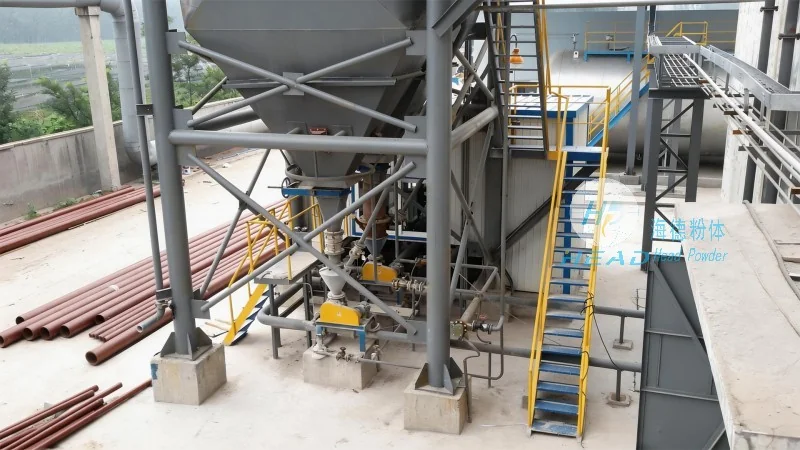
Vacuum Pneumatic Conveying Systems
Vacuum pneumatic conveying systems, on the other hand, use a vacuum to draw material from the source into the pipeline. This method is ideal for short-distance or localized transport, as well as for applications where the material needs to be collected from multiple points and consolidated at a central location. Vacuum systems are particularly useful in environments where dust control is a priority, as they minimize the release of airborne particles during the conveying process. For silicon carbide, vacuum systems can be designed with features such as cyclone separators or filtration systems to ensure that the material is handled in a clean and safe manner.
Key Features of HeadPowder's Pneumatic Conveying Solutions
HeadPowder's pneumatic conveying systems for silicon carbide are designed with several key features that enhance performance and durability. These include:
1. Specialized Materials and Components: The equipment is constructed using high-quality materials resistant to abrasion and corrosion, ensuring long-term reliability. Components such as pipelines, valves, and fittings are engineered to withstand the harsh conditions associated with silicon carbide transport.
2. Advanced Control Systems: Modern control systems allow for precise regulation of air pressure and flow rates, optimizing the conveying process and minimizing energy consumption. This not only improves efficiency but also reduces operational costs.
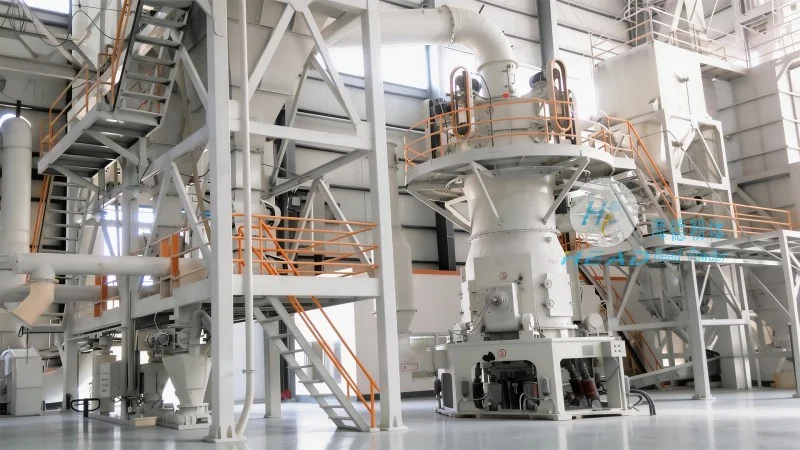
3. Dust Control and Safety Measures: To address the dust-related challenges of silicon carbide, HeadPowder's systems incorporate advanced filtration and containment features. This helps maintain a safe working environment and complies with environmental regulations.
4. Customization and Scalability: HeadPowder understands that each industrial application has unique requirements. Therefore, their pneumatic conveying solutions can be customized to fit specific operational needs, whether it's for small-scale or large-scale production.
Benefits of Choosing HeadPowder's Pneumatic Conveying
Implementing HeadPowder's pneumatic conveying systems for silicon carbide offers several benefits to manufacturers. These include:
1. Increased Efficiency and Productivity: By eliminating bottlenecks and reducing downtime due to equipment wear, pneumatic conveying systems enhance overall operational efficiency. This leads to higher production throughput and better resource utilization.
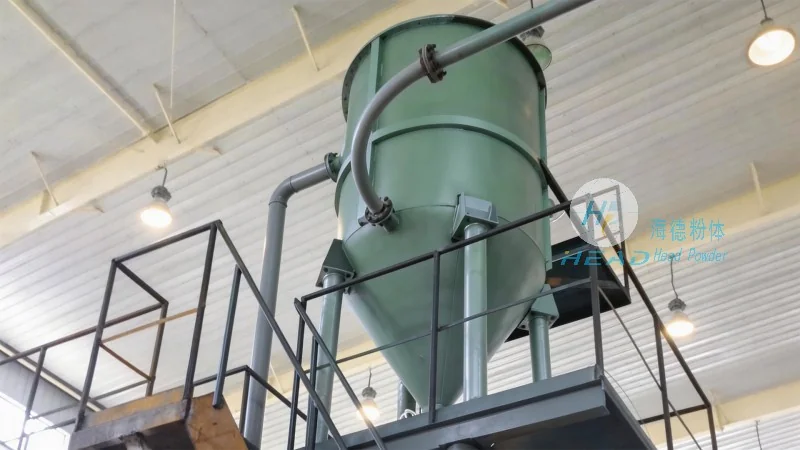
2. Reduced Maintenance Costs: The use of durable materials and advanced design reduces the frequency of maintenance and repairs, resulting in lower operational expenses over the system's lifespan.
3. Improved Safety and Environmental Compliance: With built-in dust control measures, HeadPowder's systems help maintain a safe working environment and minimize the environmental impact of material handling.
4. Enhanced Material Integrity: Pneumatic conveying minimizes material degradation and contamination, ensuring that the silicon carbide reaches its destination in optimal condition for downstream processing.
Conclusion
Choosing the right conveying method for silicon carbide is essential for optimizing industrial processes. Pneumatic conveying, particularly with the expertise of companies like Shandong HeadPowder Engineering Co., Ltd., offers a reliable and efficient solution for handling this abrasive material. By leveraging advanced technology and tailored designs, HeadPowder's pneumatic conveying systems help manufacturers achieve higher productivity, lower costs, and improved safety. Whether you are dealing with small or large volumes of silicon carbide, HeadPowder's solutions provide a robust and sustainable approach to material transport, ensuring long-term success in your operations.