

Straw Powder Pneumatic Conveying Technology: In-Depth Analysis and Application of Negative Pressure
Straw powder pneumatic conveying technology represents a critical solution for the efficient handling and transportation of agricultural biomass materials. As a leading provider in this field, Shandong HeadPowder Engineering Co., Ltd. specializes in developing advanced systems that leverage both negative pressure and positive pressure methods to optimize the conveyance of straw powders. This article provides a comprehensive overview of these technologies, their operational principles, and practical applications.
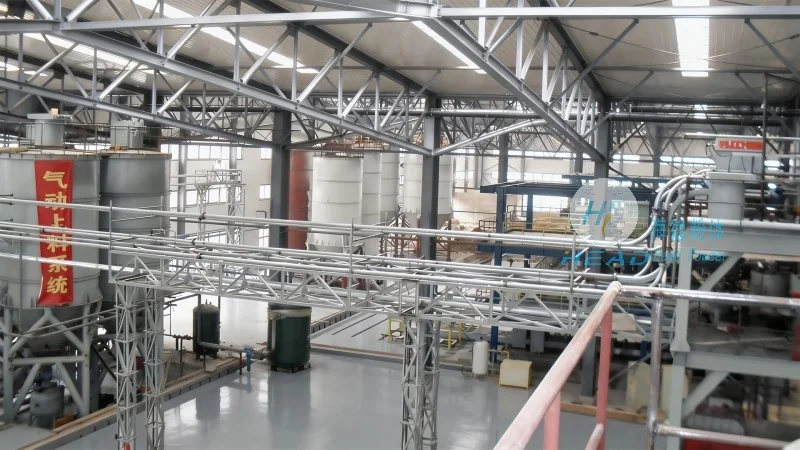
HeadPowder, a prominent entity in the industry, is headquartered in Shandong, China. The company’s expertise lies in engineering robust pneumatic conveying systems tailored to the unique characteristics of straw powders, which are often characterized by high moisture content, variable particle sizes, and abrasive properties. By addressing these challenges through innovative design and material selection, HeadPowder ensures reliable and efficient material transport for various agricultural and industrial applications.
Understanding Negative Pressure Pneumatic Conveying
Negative pressure, or vacuum, pneumatic conveying systems operate by creating a lower pressure environment at the material intake point compared to the ambient air pressure. This pressure differential draws the straw powder into the conveying line through a suction mechanism. The primary components of a negative pressure system include a vacuum pump, a material feed hopper, a conveying pipe, and a discharge receiver. The process begins when the straw powder is fed into the hopper, where it is drawn into the pipe by the vacuum created by the pump. As the material travels through the pipeline, it is mixed with a carrier gas, typically air, which helps maintain flow and prevent blockages.
Key advantages of negative pressure systems include their ability to handle fine powders and dust, as the suction action effectively captures even the smallest particles. This method is particularly suitable for applications where the material needs to be transported from multiple sources or over relatively short distances. However, negative pressure systems may face limitations in handling highly abrasive or sticky materials, as the constant suction can lead to increased wear on components and potential clogging if not properly maintained.
Positive Pressure Pneumatic Conveying: A Different Approach
In contrast, positive pressure systems generate higher pressure at the material feed point, pushing the straw powder through the conveying line. This method relies on a blower or compressor to force air and material through the pipeline. The system typically consists of a material hopper, a positive displacement blower, a conveying pipe, and a discharge point. The operation involves feeding the straw powder into the hopper, where it is mixed with the pressurized air and then propelled through the pipeline to the destination.
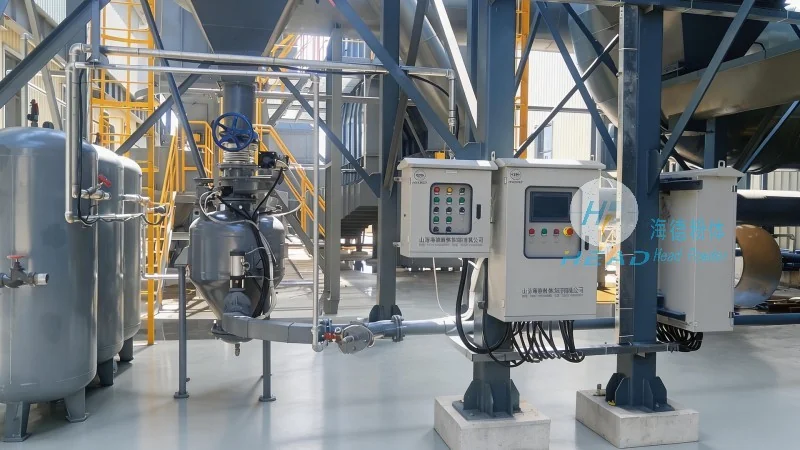
Positive pressure systems are generally more suitable for handling bulkier or more abrasive materials, as the higher pressure helps maintain flow and reduces the risk of blockages. They are often preferred for longer conveying distances and for applications requiring higher material throughput. However, these systems may generate more noise and require more energy compared to negative pressure alternatives, and they can be less effective for fine powders that tend to settle or clog under pressure.
Comparative Analysis: Negative vs. Positive Pressure Conveying
When selecting between negative and positive pressure pneumatic conveying systems for straw powder applications, several factors must be considered. The choice depends on the material characteristics, conveying distance, system layout, and operational requirements. Negative pressure systems excel in capturing fine powders and are ideal for short to medium distances, while positive pressure systems are better suited for bulkier materials and longer distances.
From an operational perspective, negative pressure systems are generally quieter and consume less energy, as they rely on suction rather than compression. Positive pressure systems, on the other hand, offer higher throughput and are more robust for abrasive materials. The selection also involves evaluating the maintenance requirements and cost implications of each system. For instance, negative pressure systems may require more frequent filter changes due to the continuous suction of fine particles, whereas positive pressure systems may need more robust pipe and component materials to withstand higher pressures.
Application Scenarios and Practical Implementation
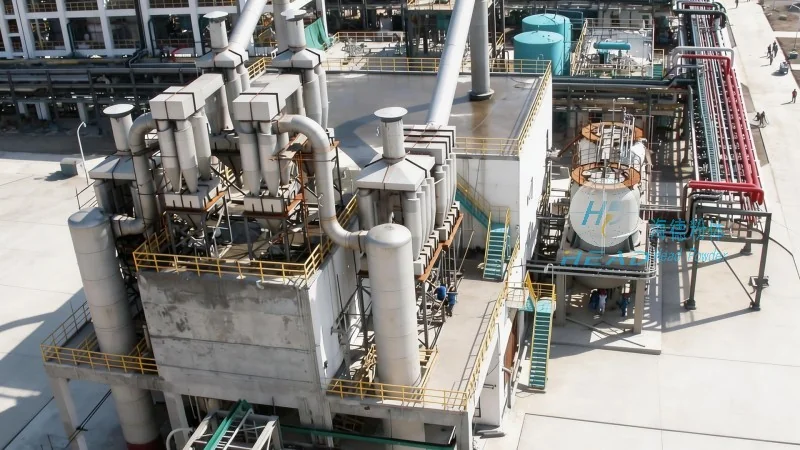
Straw powder pneumatic conveying systems are widely used in various sectors, including biomass energy production, animal feed manufacturing, and agricultural processing. In biomass energy facilities, these systems are crucial for transporting straw powders from storage silos to combustion or gasification units, ensuring a steady supply of fuel. In animal feed production, the technology helps in moving feed ingredients from grinding and mixing stations to storage silos or packaging lines, maintaining hygiene and efficiency.
Implementing a pneumatic conveying system for straw powders involves careful consideration of the material’s properties, such as moisture content, particle size distribution, and flowability. HeadPowder engineers conduct thorough assessments to determine the optimal system configuration, including the type of pressure system, pipe diameter, and material of construction. The company’s expertise in customizing solutions ensures that each system is tailored to the specific needs of the client, maximizing efficiency and minimizing operational costs.
Advantages and Challenges in Straw Powder Conveying
Both negative and positive pressure pneumatic conveying methods offer distinct advantages for straw powder handling. Negative pressure systems are effective for fine powders and require less energy, making them suitable for applications where noise and energy consumption are concerns. Positive pressure systems, while more energy-intensive, provide higher throughput and better handling of bulkier or abrasive materials.
However, challenges remain in the effective conveyance of straw powders. These include issues related to material moisture content, which can affect flowability and cause clogging. Additionally, the abrasive nature of some straw powders can lead to increased wear on system components, necessitating regular maintenance and replacement of parts. HeadPowder addresses these challenges through advanced material selection, such as using corrosion-resistant and wear-resistant materials for pipes and components, and implementing efficient filtration systems to maintain system performance.