

Flour Powder Pneumatic Conveying Technology: In-Depth Analysis of Vacuum and Positive Pressure Syste
Flour powder, a fundamental component in the food and baking industries, demands efficient and reliable handling to preserve product quality and streamline operational workflows. Pneumatic conveying systems have become a cornerstone technology for transporting flour powder, offering benefits such as dust containment, reduced contamination risks, and flexible system layouts. This article provides a comprehensive exploration of pneumatic conveying for flour powder, focusing on two primary approaches: vacuum and positive pressure systems. We will examine their operational mechanics, key distinctions, and practical applications, offering valuable insights for professionals aiming to optimize material handling processes in flour production facilities.
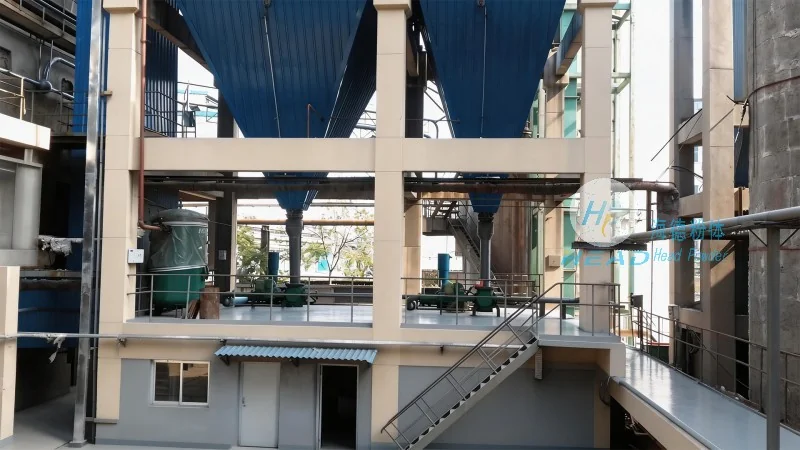
HeadPowder: A Specialized Manufacturer of Pneumatic Conveying Solutions
Shandong HeadPowder Engineering Co., Ltd., headquartered in Shandong, China, is a leading provider of customized pneumatic conveying systems tailored for the flour and powder processing sectors. With extensive industry experience and a commitment to innovation, HeadPowder delivers high-performance equipment that meets the rigorous standards of modern flour mills and processing plants. The company’s expertise lies in designing systems that ensure minimal product degradation, consistent flow rates, and seamless integration with existing production lines, thereby enhancing overall operational efficiency.
Vacuum Pneumatic Conveying Systems for Flour Powder
Vacuum pneumatic conveying systems operate by creating a negative pressure (vacuum) at the material inlet, drawing flour powder into the conveying line. This method is particularly effective for short to medium-distance transport and for handling fine powders prone to dust generation. The system typically includes a vacuum pump, a material receiver, and a conveying line. As the vacuum pulls the powder, it travels through the pipe, often regulated by a rotary valve or feeder at the discharge end to control flow. A key advantage of vacuum systems is their ability to handle fine powders without high air velocities, reducing the risk of particle degradation or caking. However, they may have limitations in terms of maximum conveying distance and material capacity compared to positive pressure systems.
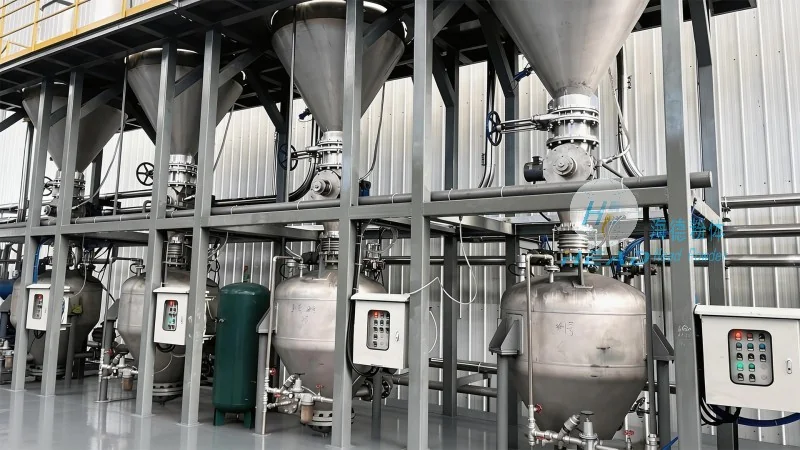
Positive Pressure Pneumatic Conveying Systems for Flour Powder
Positive pressure systems, conversely, generate a positive pressure (excess air) at the material discharge point, pushing flour powder through the conveying line. This approach is ideal for longer distances and for handling bulkier or more abrasive powders. The system comprises a blower or compressor, a material feeder, and a conveying line. The high-pressure air forces the powder to move through the pipe, often with a venturi or pressure drop devices to maintain flow. Positive pressure systems are generally more suitable for high-volume applications and can accommodate a wider range of particle sizes and moisture contents. However, they may require more robust equipment to withstand higher pressures and can generate more noise and air emissions.
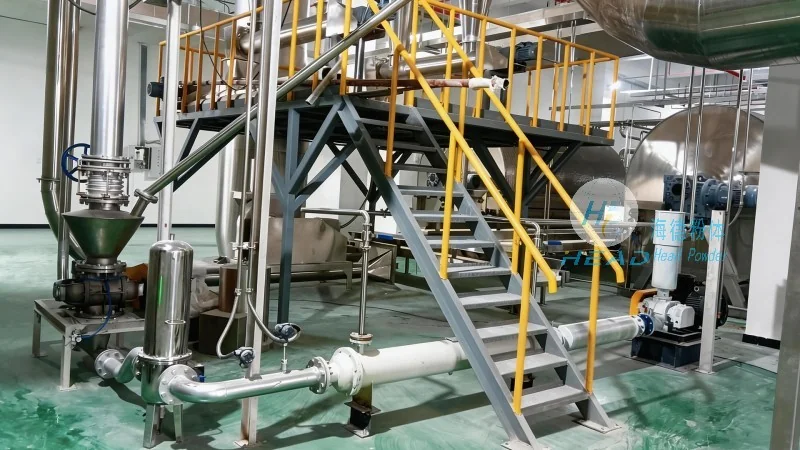
Core Differences Between Vacuum and Positive Pressure Systems
When selecting a pneumatic conveying system for flour powder, understanding the fundamental differences between vacuum and positive pressure systems is critical. The primary distinction lies in the direction of air flow and the pressure differential. Vacuum systems rely on suction to draw material, while positive pressure systems rely on pressure to push material. This difference impacts operational parameters such as conveying distance, material capacity, and system complexity. Vacuum systems are generally better suited for shorter distances and fine powders, whereas positive pressure systems excel in longer distances and bulkier materials. Additionally, vacuum systems tend to be quieter and produce less air pollution, making them a preferred choice in environments where noise and emissions are a concern. Positive pressure systems, however, offer greater layout flexibility and can handle more challenging materials.
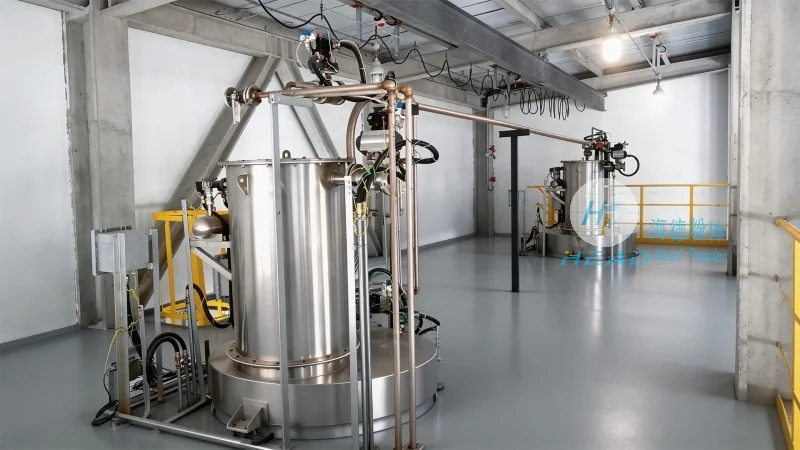
Applications and Practical Considerations
The choice between vacuum and positive pressure pneumatic conveying systems for flour powder depends on specific operational requirements and site conditions. For instance, in a small-scale bakery where flour is transported from a silo to a mixing area over a short distance, a vacuum system may suffice. Conversely, in a large-scale flour mill where material needs to be conveyed over several hundred meters to a storage or processing facility, a positive pressure system is likely more appropriate. Other factors to consider include the type of flour (e.g., wheat flour, corn flour), the moisture content, and the presence of additives or coatings that may affect flow characteristics. HeadPowder’s engineers collaborate closely with clients to assess these factors and recommend the most suitable system configuration, ensuring optimal performance and cost-effectiveness.
Conclusion: Enhancing Flour Powder Handling with Advanced Pneumatic Conveying
In summary, pneumatic conveying technology, particularly through vacuum and positive pressure systems, plays a vital role in the efficient and safe handling of flour powder. By understanding the operational principles and key differences of these systems, industry professionals can make informed decisions to enhance their material handling processes. HeadPowder, with its expertise and customized solutions, continues to provide reliable and effective pneumatic conveying systems that meet the evolving needs of the flour and powder processing industry. Whether for short-distance transport or long-distance bulk handling, the right pneumatic conveying system can significantly improve productivity, reduce downtime, and maintain product quality, ultimately contributing to the success of flour production operations.