

[Lithium Oxide Pneumatic Conveying Technology: In-Depth Analysis of Vacuum and Positive Pressure Sys
HeadPowder, a leading provider of advanced material handling solutions, specializes in the design, manufacturing, and implementation of pneumatic conveying systems tailored for lithium oxide and other fine powders. This article delves into the technical nuances of vacuum and positive pressure pneumatic conveying systems, exploring their operational principles, advantages, and practical applications in industrial settings.
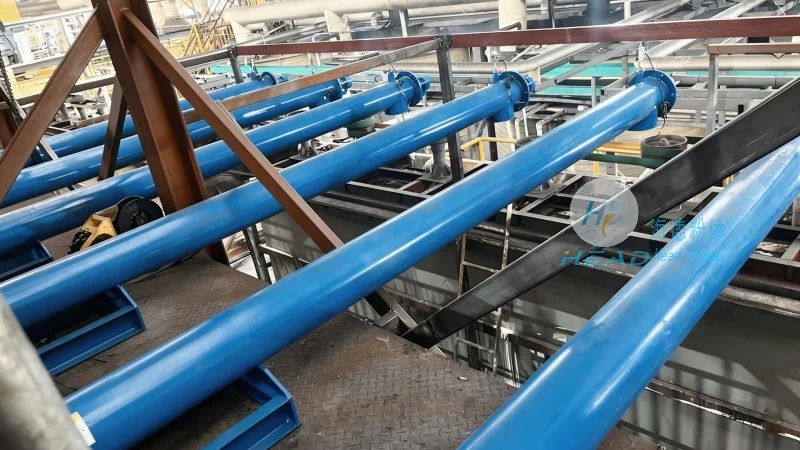
Introduction to Pneumatic Conveying Systems for Lithium Oxide
Lithium oxide, a critical component in lithium-based battery production and various chemical processes, requires efficient and reliable material transport to maintain production efficiency and product quality. Pneumatic conveying systems offer a non-contact, dust-free method for transporting lithium oxide, making them ideal for industries where product purity and environmental control are paramount. The choice between vacuum and positive pressure systems depends on factors such as material characteristics, distance, and system complexity, each offering distinct benefits and challenges.
Vacuum Pneumatic Conveying Systems: Principles and Applications
Vacuum pneumatic conveying systems operate by creating a negative pressure environment at the receiving end, drawing material from a source point into a conveying line. This method is particularly effective for transporting materials over moderate distances, typically up to several hundred meters, and is well-suited for applications where the material is to be collected from multiple points or from a hopper. The system uses a vacuum pump to generate the pressure differential, ensuring that the material is drawn through the pipeline without the need for external air compression.
Key advantages of vacuum systems include their ability to handle fine powders with low bulk density, minimizing material degradation and caking. They are also suitable for applications requiring gentle handling, such as transporting sensitive lithium oxide powders that could be damaged by high-velocity air streams. However, vacuum systems have limitations in terms of maximum conveying distance and material throughput, as the pressure differential decreases with distance, potentially leading to reduced efficiency over longer runs.
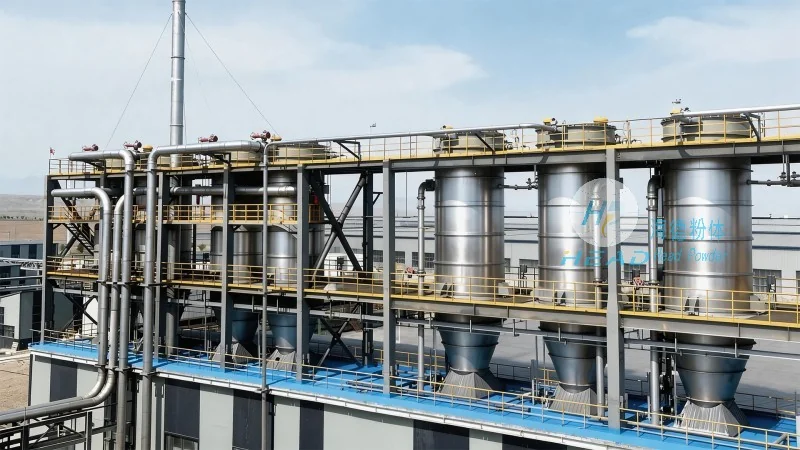
Positive Pressure Pneumatic Conveying Systems: Operational Mechanics and Benefits
Positive pressure systems, in contrast, generate positive pressure at the discharge end of the conveying line, pushing material through the pipeline. This approach is more suitable for longer distances, often exceeding 1 kilometer, and for applications where high material throughput is required. The system uses a blower or compressor to supply compressed air, which propels the material through the pipeline at controlled velocities, ensuring consistent flow and preventing material settling.
Positive pressure systems offer higher conveying capacities and can handle a wider range of materials, including those with higher bulk densities or abrasive properties. They are particularly effective for transporting lithium oxide from a central source to multiple destinations, as the compressed air can be distributed to various discharge points. However, these systems require more robust equipment and higher energy consumption compared to vacuum systems, and proper maintenance is crucial to prevent air leaks and ensure consistent performance.
Comparative Analysis: Vacuum vs. Positive Pressure for Lithium Oxide Conveying
When selecting between vacuum and positive pressure pneumatic conveying systems for lithium oxide, several factors must be considered. Vacuum systems excel in applications requiring gentle handling and moderate distances, while positive pressure systems are better suited for high-volume, long-distance transport. The choice also depends on the specific properties of the lithium oxide, such as particle size, moisture content, and flowability. For example, fine, dry lithium oxide powders may perform better in vacuum systems due to their low density, whereas coarser or more abrasive materials might benefit from the higher pressure and velocity of positive pressure systems.
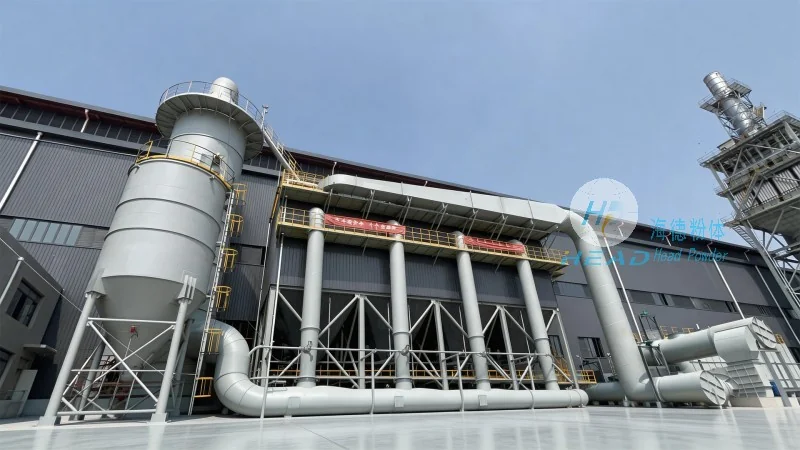
Industrial Applications and Case Studies
HeadPowder has extensive experience in implementing pneumatic conveying solutions for lithium oxide in various industrial sectors. One notable application involves a lithium battery manufacturer in China, where a vacuum system was installed to transport lithium oxide from a storage silo to a mixing plant over a distance of 300 meters. The system successfully maintained product purity and reduced dust emissions, contributing to improved operational efficiency. Another project involved a chemical processing facility where a positive pressure system was used to distribute lithium oxide to multiple production lines over a 1.5-kilometer network, achieving high throughput and consistent material flow.
Key Considerations for System Design and Maintenance
Successful implementation of pneumatic conveying systems for lithium oxide requires careful consideration of several design and operational factors. Material properties, such as particle size distribution, moisture content, and flowability, directly impact system performance and must be evaluated during the design phase. The pipeline layout, including bends, elbows, and vertical sections, must be optimized to minimize pressure losses and prevent material buildup. Regular maintenance, including cleaning of filters, checking for air leaks, and monitoring pressure differentials, is essential to ensure long-term system reliability and efficiency.
Conclusion: Optimizing Lithium Oxide Handling with Advanced Pneumatic Conveying
Both vacuum and positive pressure pneumatic conveying systems offer effective solutions for transporting lithium oxide, with each approach tailored to specific operational needs. By understanding the technical differences and benefits of each system, industries can select the most appropriate solution to enhance productivity, maintain product quality, and reduce operational costs. HeadPowder, with its expertise in material handling engineering, continues to provide customized pneumatic conveying systems that meet the unique requirements of lithium oxide applications, ensuring reliable and efficient material transport in industrial settings.