

Principle and Working Scene Characteristics of Pneumatic Conveying Equipment for Lithium-Ion Battery
HeadPowder, a leading engineering firm based in Shandong, China, specializes in advanced pneumatic conveying solutions tailored for the handling of lithium-ion battery nanomaterial powders. This article delves into the fundamental principles behind such equipment and highlights the key working scene characteristics that make it indispensable in modern battery manufacturing processes.
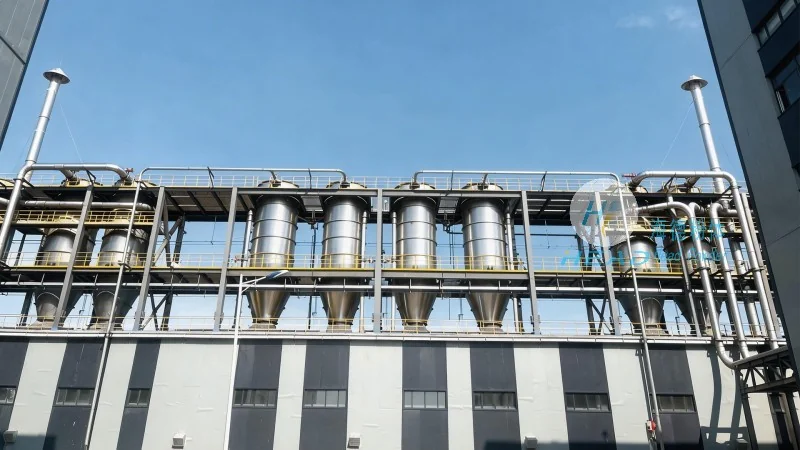
Understanding the Core Principle of Pneumatic Conveying for Nanomaterials
The pneumatic conveying system for lithium-ion battery nanomaterial powders operates on the principle of transporting particulate materials through a pressurized or vacuumed air stream. Unlike traditional mechanical conveying methods, this technology utilizes air as the medium to move materials, which is particularly advantageous for handling fine powders that are prone to dust, static, and agglomeration. The system typically consists of a hopper, a conveying line, and a receiver, with the entire process controlled by a series of valves, filters, and pressure regulators. The air flow is generated by a blower or vacuum pump, creating a pressure differential that propels the powder particles through the pipeline. This method ensures a dust-free, low-energy, and highly efficient transfer of nanomaterials, which are critical components in the production of high-performance lithium-ion batteries.
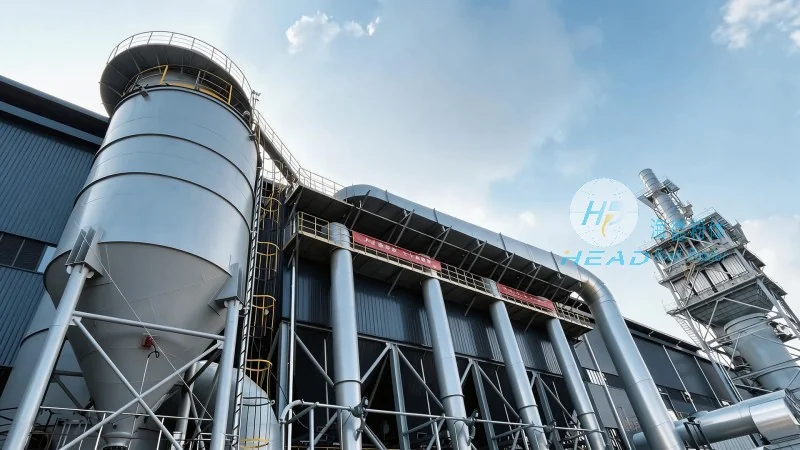
Key Working Scene Characteristics of the Equipment
The working scene characteristics of pneumatic conveying equipment for lithium-ion battery nanomaterials are tailored to meet the stringent requirements of battery manufacturing. These characteristics include:
- High Precision and Uniformity: The equipment is designed to maintain consistent particle size distribution and flow rates, which is crucial for achieving uniform battery performance. The controlled air flow and precise control of pressure ensure that each batch of nanomaterials is handled with minimal variation, reducing the risk of defects in the final battery products.
- Minimal Material Loss and Contamination: The sealed system and advanced filtration mechanisms prevent dust leakage and cross-contamination between different batches of materials. This is vital in battery production, where even trace amounts of impurities can significantly impact battery life and safety. The equipment’s design minimizes material loss during transfer, optimizing material utilization and reducing operational costs.
- Adaptability to Varying Material Properties: Lithium-ion battery nanomaterials, such as lithium cobalt oxide (LiCoO₂), lithium iron phosphate (LiFePO₄), and graphite anodes, have diverse physical properties like particle size, density, and moisture content. The pneumatic conveying system is engineered to accommodate these variations by adjusting air pressure, flow rate, and pipeline design. This adaptability ensures reliable operation across different material types, making it a versatile solution for various battery production lines.
- Enhanced Safety and Environmental Compliance: The sealed conveying process eliminates the risk of dust explosions, a common hazard in powder handling. Additionally, the system’s design adheres to environmental regulations by containing dust and preventing air pollution. This not only protects the workforce from health risks but also ensures compliance with industrial safety standards, which is essential for battery manufacturers aiming for certifications like ISO 9001 and IEC 62477.
Application Scenarios in Battery Manufacturing
The pneumatic conveying equipment is widely used in multiple stages of lithium-ion battery production, each requiring precise material handling to ensure product quality and efficiency. The primary application scenarios include:
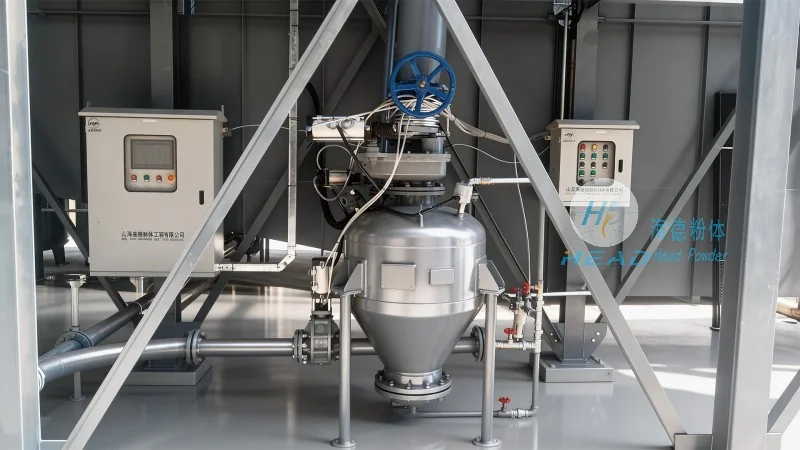
- Nanomaterial Preparation and Mixing: In the initial stages of battery production, nanomaterial powders are prepared and mixed with binders and conductive agents. The pneumatic conveying system efficiently transports these fine powders from storage silos to mixing equipment, ensuring a uniform blend that is critical for the battery’s electrochemical performance.
- Cell Assembly and Coating: During the cell assembly process, the coated electrode sheets require precise dosing of nanomaterial powders for electrode formation. The equipment’s ability to deliver consistent flow rates and particle size control is essential for achieving uniform coating thickness, which directly impacts the battery’s capacity and cycle life.
- Final Battery Packaging and Quality Control: In the final stages, the completed batteries are packaged and subjected to quality checks. The pneumatic conveying system may also be used to transport finished products or related materials between different production zones, ensuring smooth workflow and minimal downtime.
Conclusion
HeadPowder’s pneumatic conveying equipment for lithium-ion battery nanomaterial powders exemplifies advanced engineering tailored to the demanding requirements of modern battery manufacturing. By leveraging the principles of air-based material transport, the system offers superior precision, safety, and adaptability, making it an indispensable tool for battery producers. With a strong presence in Shandong, China, HeadPowder continues to innovate and provide reliable solutions that enhance the efficiency and quality of lithium-ion battery production, supporting the growing demand for high-performance energy storage devices worldwide.