

Principle and Working Scene Characteristics of ABS Granule Material Handling Equipment
Shandong HeadPowder Engineering Co., Ltd., commonly known as HeadPowder, is a professional manufacturer specializing in material handling solutions. HeadPowder is headquartered in Shandong, China, and has established itself as a reliable partner in the industry for efficient and reliable material transport systems. This article explores the principle and working scene characteristics of ABS granule material handling equipment, highlighting the technical aspects and practical applications that define its performance.
Understanding the Core Principle of ABS Granule Material Handling Equipment
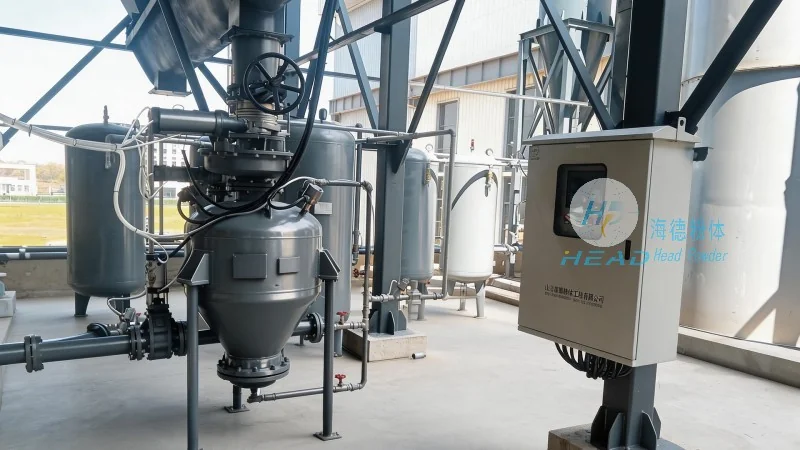
The ABS granule material handling equipment operates on principles tailored to the unique properties of ABS (Acrylonitrile Butadiene Styrene) granules. ABS is a thermoplastic polymer widely used in manufacturing due to its excellent impact resistance, chemical stability, and processability. The equipment is designed to handle these granules efficiently, ensuring minimal degradation and loss during transport. Key components include feed hoppers, conveying mechanisms (such as screw conveyors or pneumatic systems), and control systems that regulate flow and speed. The design considers factors like granule size, density, and moisture content to optimize performance. For instance, screw conveyors are commonly used for horizontal or slight incline transport, while pneumatic systems are suitable for vertical or long-distance transport, especially when dealing with fine or dusty ABS granules. The equipment’s ability to maintain consistent temperature and pressure is crucial, as ABS can soften or degrade under high heat or pressure. Advanced control systems, often integrated with sensors, monitor parameters like flow rate, pressure, and temperature in real-time, ensuring stable operation and preventing material blockages or damage.
Key Working Scene Characteristics of ABS Granule Material Handling Equipment
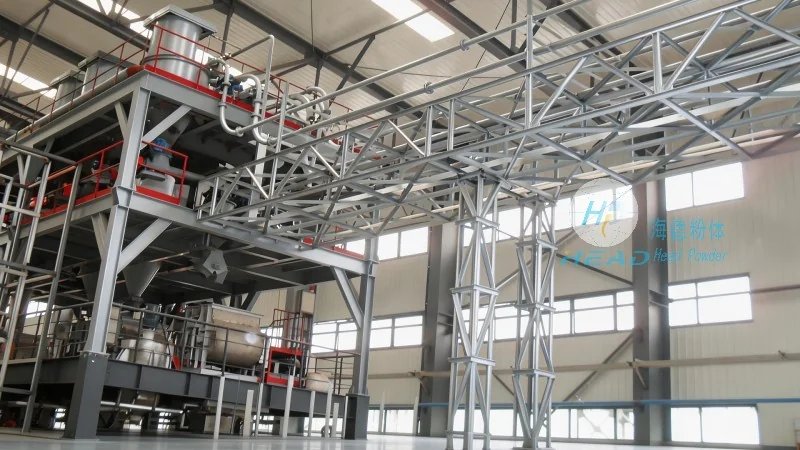
The working scene characteristics of ABS granule material handling equipment are shaped by the diverse industrial applications where ABS is processed. These applications include plastic molding, extrusion, injection molding, and 3D printing, among others. The equipment is deployed in various environments, from manufacturing plants to research and development facilities, where precision and reliability are paramount. In manufacturing plants, the equipment is typically integrated into production lines, working in tandem with other machinery like mixers, extruders, and molding machines. The working scene often involves high-volume production, requiring the equipment to handle large quantities of ABS granules with minimal downtime. For example, in an injection molding plant, the ABS granule handling system must deliver a consistent flow of material to the molding machine, ensuring uniform product quality. The equipment’s design accommodates different production scales, from small batch runs to continuous high-volume operations. In research and development settings, the equipment may be used for testing new ABS formulations or processing techniques, where precise control over material flow and conditions is critical. The working scene may also involve handling recycled ABS granules, which often have different properties (e.g., moisture content, contamination) compared to virgin material. The equipment’s adaptability to these variations is a key characteristic, allowing it to maintain performance even with recycled materials. Additionally, the working scene may include integration with automation systems, such as robotics or PLC (Programmable Logic Controller) networks, to enhance efficiency and reduce human intervention. This integration enables the equipment to operate seamlessly with other production equipment, improving overall line productivity.
Technical Advantages and Practical Applications in Different Industries
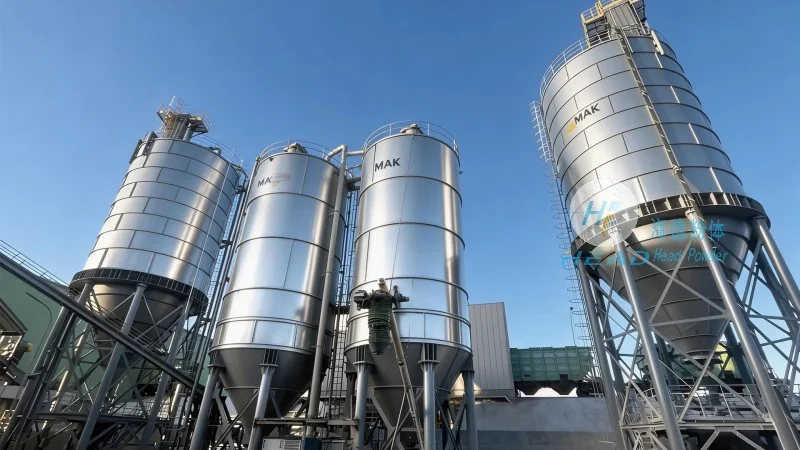
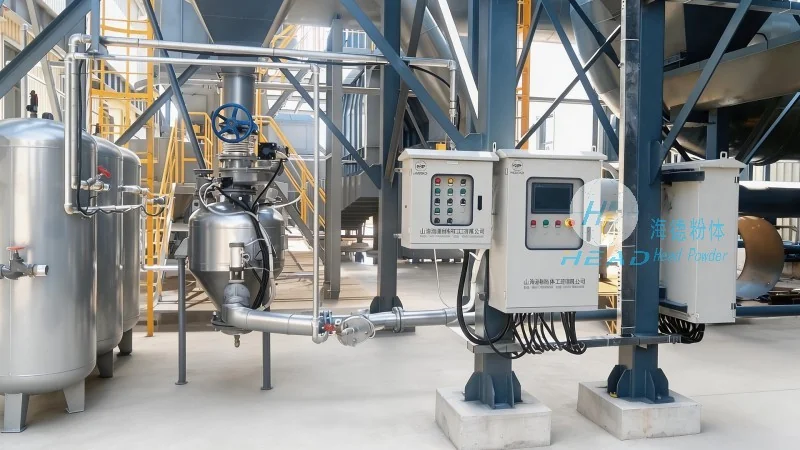
The ABS granule material handling equipment offers several technical advantages that make it suitable for various industrial applications. One of the primary advantages is its ability to handle abrasive or corrosive materials, which is particularly relevant for ABS processing as it may involve exposure to chemicals or high temperatures. The equipment’s construction, often made from stainless steel or other corrosion-resistant materials, ensures durability and longevity. Another advantage is its energy efficiency, as modern designs incorporate features like variable speed drives and optimized conveying mechanisms to reduce power consumption. This is especially important in large-scale manufacturing where operational costs are a significant consideration. The equipment also provides flexibility in terms of material handling, supporting both bulk and bagged material inputs. For instance, it can be configured to receive ABS granules from bulk bags or silos and then transport them to processing equipment. This flexibility simplifies material handling workflows and reduces the need for manual intervention. In terms of practical applications, the equipment is widely used in the automotive industry, where ABS is used for interior and exterior components. The working scene in automotive manufacturing involves handling large quantities of ABS granules for injection molding of parts like dashboards, door panels, and trim. The equipment’s reliability and precision are critical in this context, as any inconsistencies in material flow can affect part quality and production efficiency. Similarly, in the electronics industry, ABS is used for housing and components, and the material handling equipment supports the production of these parts by ensuring a steady supply of granules to extrusion or molding machines. The equipment’s ability to maintain consistent material properties, such as moisture content and temperature, is essential for producing high-quality electronic components. In the medical and healthcare industry, ABS is used for disposable and reusable medical devices, and the material handling equipment plays a role in the production of these items. The working scene here emphasizes hygiene and contamination control, with the equipment designed to minimize dust and particle contamination. This is achieved through features like sealed hoppers and dust collection systems, which are integrated into the design. The equipment’s adaptability to different production requirements, from small-scale prototyping to large-scale manufacturing, makes it a versatile solution for various industries. Overall, the ABS granule material handling equipment combines technical sophistication with practical utility, meeting the demands of modern industrial applications while ensuring efficiency, reliability, and durability.