

Principle and Working Scenario Characteristics of Pneumatic Conveying for Fine Polished Sand Materia
HeadPowder, a leading provider in the field of material handling solutions, specializes in the design, manufacturing, and implementation of advanced pneumatic conveying systems tailored for fine polished sand materials. This article delves into the fundamental principles behind pneumatic conveying technology and explores the specific characteristics of working scenarios where such systems are most effectively applied.
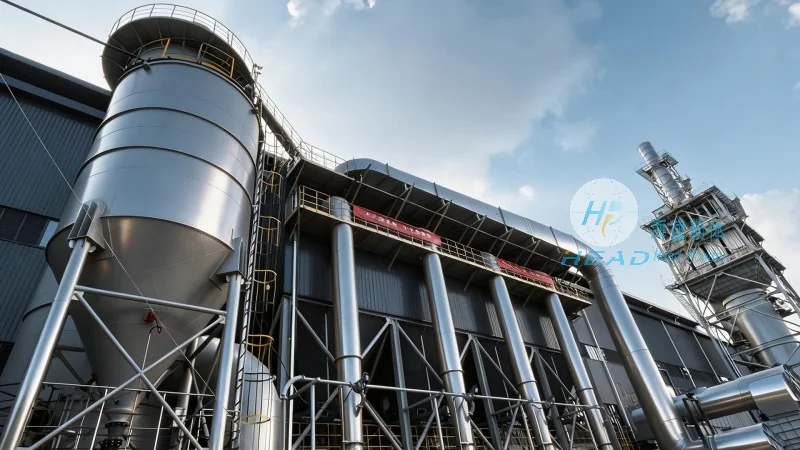
Understanding Pneumatic Conveying: The Core Mechanism
Pneumatic conveying is a method of transporting bulk materials through a pipeline using a stream of pressurized or suctioned air. For fine polished sand, which often requires gentle handling to prevent particle degradation or loss of surface quality, the design of the conveying system is critical. The process typically involves feeding the sand into a hopper, where it is then drawn or pushed through a pipeline by air pressure. Key components include the hopper, feeder, pipeline, and receiver, each playing a vital role in ensuring efficient and damage-free transport. The choice between positive pressure and negative pressure systems depends on factors such as material properties, distance, and environmental considerations. Positive pressure systems use a blower to push air and material through the line, while negative pressure systems use a vacuum to pull material from the source. For fine polished sand, positive pressure is often preferred as it allows for better control over particle flow and reduces the risk of clogging or particle degradation.
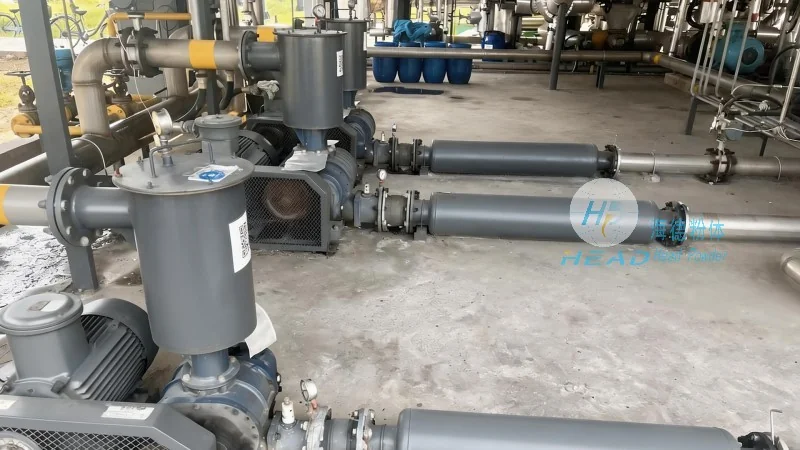
Key Working Scenario Characteristics for Fine Polished Sand
The effectiveness of pneumatic conveying systems for fine polished sand is heavily influenced by the specific working scenarios in which they operate. These scenarios often involve high-value materials where surface integrity is paramount, such as in foundries, glass manufacturing, or precision casting industries. The characteristics of these scenarios include:
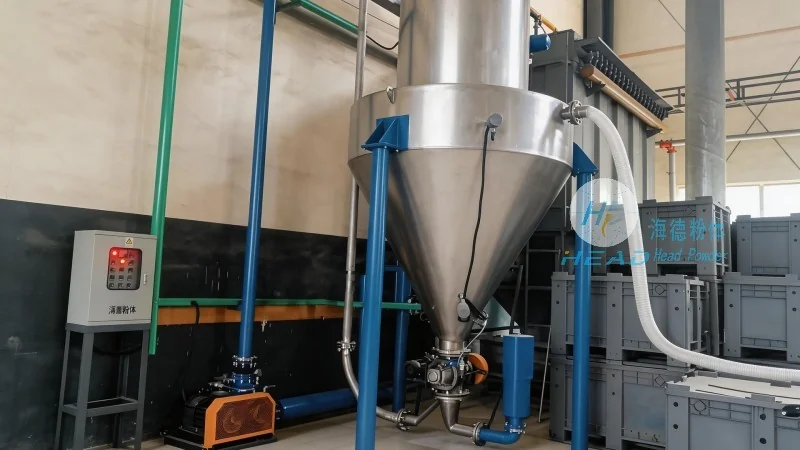
- Material Sensitivity: Fine polished sand is delicate, and any impact or abrasion can compromise its surface finish. Pneumatic conveying systems are designed to minimize these risks through low-velocity air flow and smooth pipeline surfaces.
- Process Integration: Many applications require seamless integration with existing production lines. The systems are engineered to fit into existing workflows, ensuring minimal disruption to manufacturing processes.
- Space Constraints: In industrial settings, space is often limited. Pneumatic conveying offers a compact solution compared to traditional belt or bucket elevators, making it ideal for facilities with restricted floor space.
- Environmental Control: The handling of fine polished sand may generate dust, which can affect air quality and worker safety. Advanced systems incorporate dust collection and filtration mechanisms to maintain a clean and safe working environment.
Application Examples and System Design Considerations
Real-world applications of pneumatic conveying for fine polished sand illustrate the versatility and efficiency of these systems. For instance, in a foundry, the system may be used to transport sand from storage silos to molding machines, ensuring a consistent supply of material without the need for manual handling. The design of the system would consider the sand's particle size distribution, which can affect flow characteristics, and the required conveying distance, which influences the air pressure and blower capacity needed.
In glass manufacturing, fine polished sand might be used as a raw material or as a component in the production of glass products. The conveying system would need to maintain the sand's purity and prevent contamination, which is achieved through closed-loop systems and rigorous cleaning protocols. Additionally, the system's control mechanisms, such as variable frequency drives (VFDs), allow for precise regulation of air flow and material feed, optimizing energy consumption and operational efficiency.
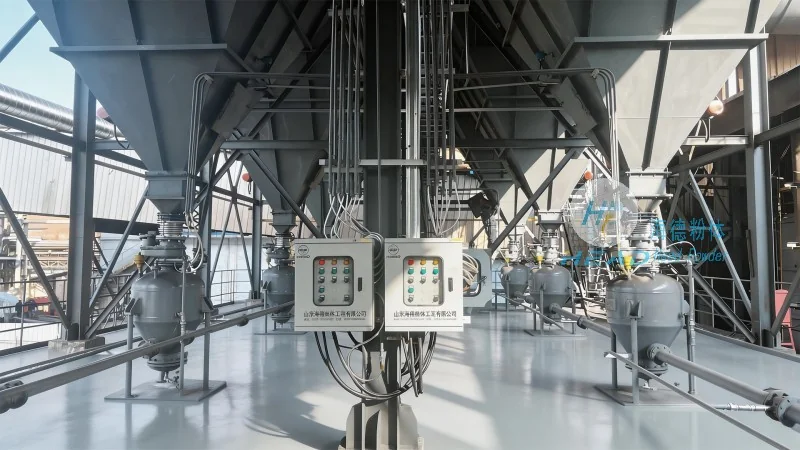
Conclusion: The Role of HeadPowder in Optimizing Pneumatic Conveying Solutions
HeadPowder Engineering Co., Ltd., based in Shandong, China, is at the forefront of developing customized pneumatic conveying solutions for fine polished sand applications. By understanding the unique challenges and requirements of each working scenario, the company designs systems that not only meet but exceed industry standards. From the fundamental principles of air flow and material handling to the practical considerations of space and environmental control, HeadPowder's expertise ensures that pneumatic conveying systems for fine polished sand are reliable, efficient, and tailored to the specific needs of their clients. As industries continue to demand higher precision and quality in material handling, the role of advanced pneumatic conveying systems, like those offered by HeadPowder, becomes increasingly critical in maintaining competitive advantages.