

Pneumatic Conveying of Polyester Fiber Materials: Principles and Working Scene Characteristics
PTFE fiber material pneumatic conveying technology represents a sophisticated method for transporting fine or bulk materials, particularly in industrial applications involving polyester fibers. This process relies on the principles of fluid dynamics and material handling, enabling efficient movement of materials through a system of pipes and air flow. The core principle of pneumatic conveying is the use of compressed air or other gases to create a flow that propels the material particles through the conveying line. This method is distinct from mechanical conveying systems, as it utilizes air as the primary medium for material transport, offering advantages such as reduced equipment wear, lower maintenance requirements, and the ability to handle materials that are difficult to convey via traditional methods.
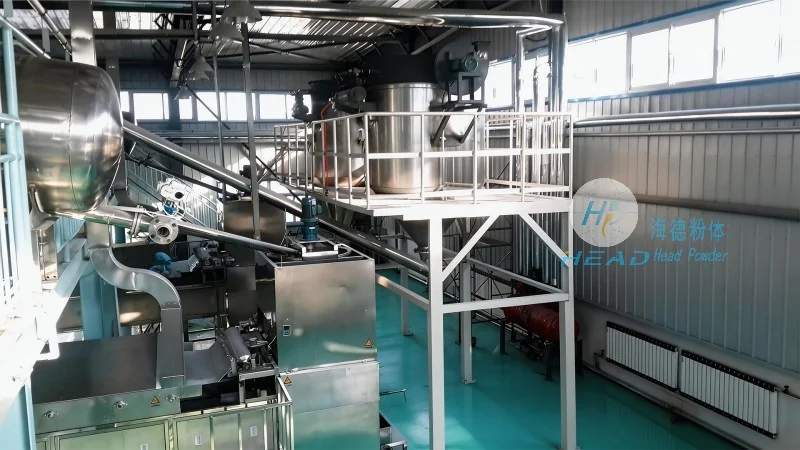
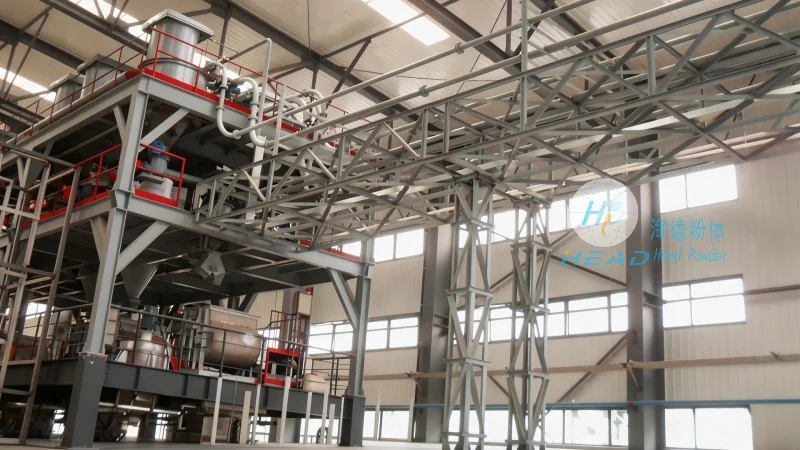
Principle of Pneumatic Conveying for Polyester Fibers
The fundamental principle behind PTFE fiber material pneumatic conveying involves creating a pressure differential or using suction to move the material. In pressure-type systems, compressed air is introduced at the inlet, generating a high-pressure environment that forces the fibers through the pipeline. The air velocity must be sufficient to overcome the gravitational and frictional forces acting on the fibers, ensuring they remain suspended and transported to the destination. In contrast, suction-type systems utilize a vacuum at the receiving end to draw the material through the line. Both systems require careful design of the conveying line, including pipe diameter, length, and bends, to maintain optimal air velocity and prevent material deposition or blockages.
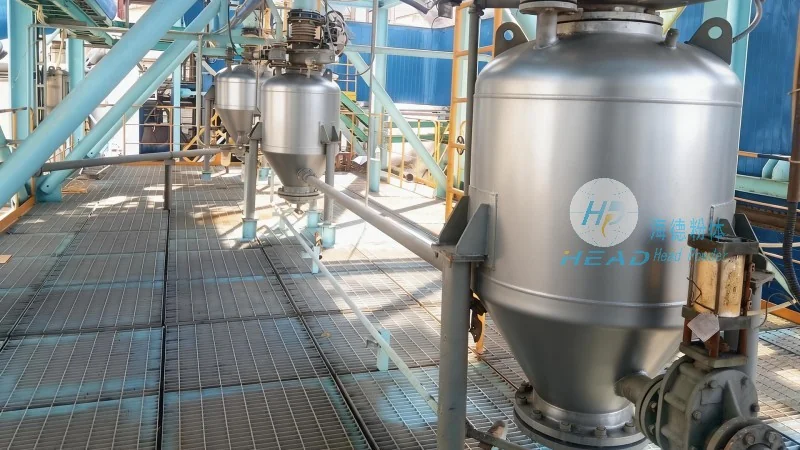
Working Scene Characteristics of Pneumatic Conveying Systems
The application of PTFE fiber material pneumatic conveying is characterized by specific operational scenarios that highlight its suitability for various industrial environments. These systems are commonly employed in settings where material handling requires precision, such as in textile manufacturing, chemical processing, and material recycling. The working scene characteristics include the ability to handle fine powders or fibrous materials without degradation, maintain consistent material flow rates, and minimize contamination during transport. Additionally, pneumatic conveying systems are often integrated into larger production lines, enabling seamless material transfer between processing stages. The operational flexibility of these systems allows for adaptation to different material types and processing requirements, making them a versatile solution for industries dealing with polyester fibers.
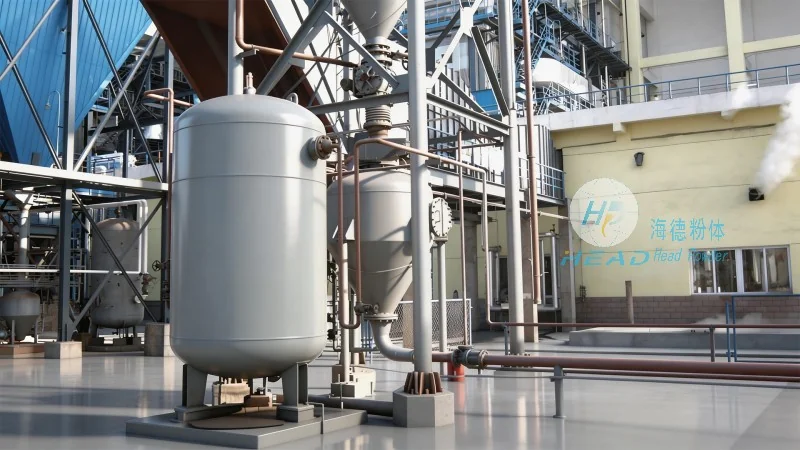
Company Profile: Shandong HeadPowder Engineering Co., Ltd.
Shandong HeadPowder Engineering Co., Ltd., commonly known as HeadPowder, is a leading provider of pneumatic conveying solutions tailored for industrial applications involving polyester fibers. With a focus on engineering excellence and customer-centric service, HeadPowder specializes in designing, manufacturing, and implementing customized pneumatic conveying systems that meet the unique needs of clients. The company’s headquarters is located in Shandong, China, where it leverages advanced technology and industry expertise to deliver high-quality solutions. HeadPowder’s commitment to innovation and quality ensures that its systems are reliable, efficient, and compliant with industry standards, providing clients with a competitive edge in their respective markets.