

Principle and Working Scene Characteristics of Pneumatic Conveying for Graphite Electrode Materials
For industrial applications involving the handling of graphite electrode materials, efficient material transport is crucial. Pneumatic conveying systems offer a reliable and versatile solution that addresses the unique challenges associated with these high-value, often abrasive materials. This article explores the fundamental principles behind pneumatic conveying for graphite electrode materials and highlights the key characteristics of its working scenes, providing insights into how such systems are designed and implemented in practical industrial settings.
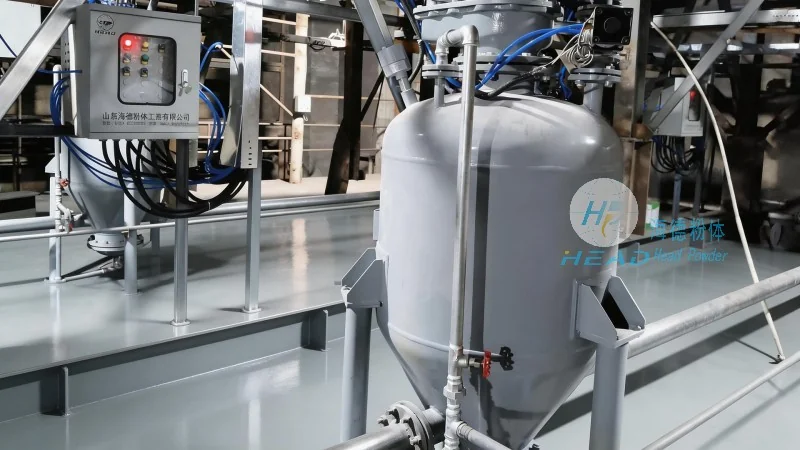
Understanding Pneumatic Conveying Principles for Graphite Electrode Materials
Pneumatic conveying, also known as pneumatic transport, is a method of transporting bulk materials through a pipeline using a stream of air or other gas. In the context of graphite electrode materials, which are typically used in electric arc furnaces and other high-temperature applications, the material's properties—such as its high density, abrasive nature, and potential for dust generation—require specialized conveying systems. The core principle of pneumatic conveying involves creating a pressure differential or using vacuum to move the material along a pipeline. This can be achieved through two primary methods: pressure conveying and vacuum conveying.
Pressure conveying systems operate by injecting compressed air or gas into the material stream at the inlet of the pipeline. The air is introduced at a controlled rate to maintain a consistent flow velocity, ensuring that the material particles are suspended and transported efficiently. This method is particularly effective for short to medium-distance conveying and for materials that are less abrasive or less prone to dust generation. The pressure differential created by the compressed air ensures that the material moves smoothly through the pipeline, minimizing blockages and wear on system components.
Vacuum conveying, on the other hand, uses a vacuum pump to create a negative pressure within the pipeline, drawing the material from the source into the system. This approach is often preferred for longer distances or when the material needs to be transported from a higher elevation to a lower one. Vacuum systems are also beneficial for handling materials that are more sensitive to pressure changes or for applications where dust containment is critical. The vacuum created pulls the material particles into the pipeline, where they are carried by the air flow to the destination.
For graphite electrode materials, the choice between pressure and vacuum conveying depends on several factors, including the distance between the source and destination, the height difference, the material's properties, and the desired level of dust control. In many industrial settings, a combination of both methods may be used to optimize the conveying process. For example, a pressure system might be used for the initial transport from the storage silo to a processing unit, while a vacuum system handles the final delivery to the furnace or other equipment.
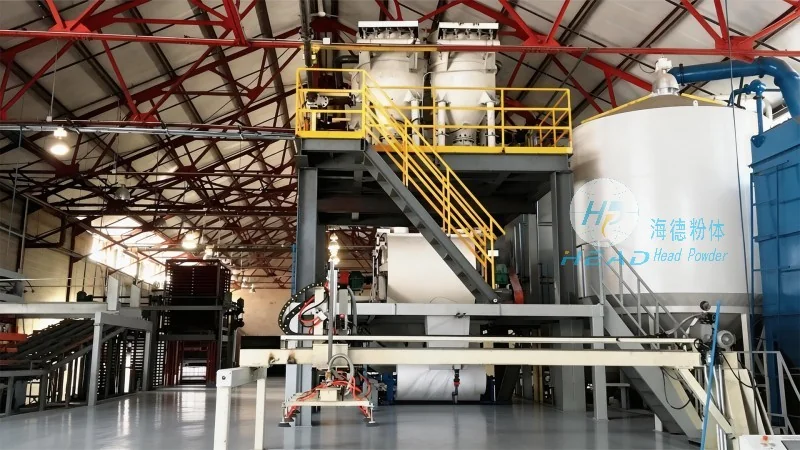
Key Working Scene Characteristics of Pneumatic Conveying Systems
The working scenes of pneumatic conveying systems for graphite electrode materials exhibit several distinct characteristics that set them apart from other material handling applications. These characteristics are directly influenced by the nature of the material being conveyed and the specific requirements of the industrial process.
Firstly, the material's high density and abrasive properties necessitate robust system components. Graphite electrode materials are typically dense and can be very hard, which means that the pipelines, valves, and other components must be constructed from materials that can withstand wear and tear over long periods. Stainless steel or specialized alloys are commonly used for the pipeline and fittings to ensure durability and prevent corrosion. Additionally, the system may include wear-resistant liners or coatings on components that are in direct contact with the material to extend their service life.
Secondly, dust control is a critical consideration in the working scenes of these systems. Graphite electrode materials are prone to generating fine dust, which can be hazardous to workers and can cause operational issues if not properly contained. Pneumatic conveying systems are designed with dust collection and filtration systems to capture and remove the fine particles from the air stream. This not only protects the environment and workers but also prevents the accumulation of dust in the pipeline, which could lead to blockages or reduced system efficiency. The use of high-efficiency particulate air (HEPA) filters or other advanced filtration technologies is common in these applications to ensure that the air released from the system is clean and compliant with environmental regulations.
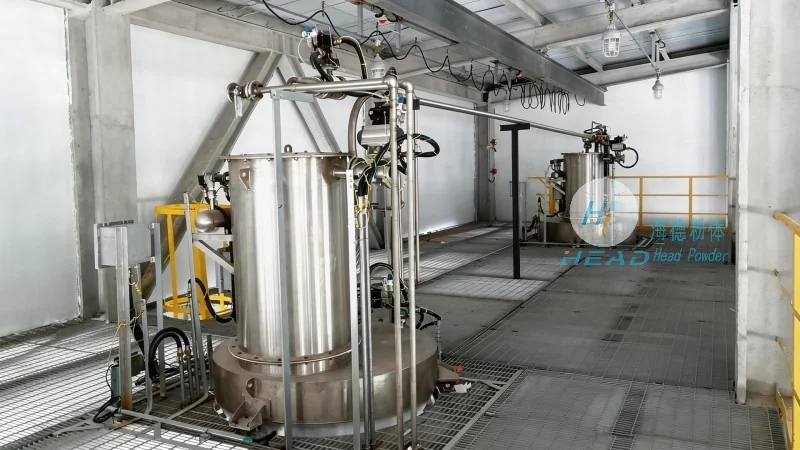
Thirdly, the system's design must accommodate the material's flow characteristics. Graphite electrode materials can vary in size and shape, from large, solid electrodes to smaller, powdered forms. The conveying system must be able to handle these variations without causing segregation or uneven flow. This often involves the use of specialized feeders, such as rotary valves or screw feeders, that can consistently meter the material into the pipeline at a controlled rate. The feeders are designed to prevent material buildup and ensure a smooth transition from the source to the conveying line.
Fourthly, the working scenes of pneumatic conveying systems for graphite electrode materials are often integrated with other industrial processes. For example, the material may be conveyed from a storage silo to a furnace, where it is used as a raw material for the production of steel or other metals. The conveying system is typically part of a larger automation system that includes sensors, control panels, and monitoring equipment. This integration allows for real-time monitoring of the conveying process, enabling operators to detect and address any issues promptly. The system may also include safety features, such as emergency shut-off valves or pressure relief devices, to prevent accidents and ensure the safety of personnel.
Applications and Benefits in Industrial Settings
Pneumatic conveying systems for graphite electrode materials are widely used in various industrial settings, particularly in the steel and metallurgical industries. The primary applications include the transport of raw graphite electrodes from storage to the furnace, the delivery of electrode pieces to processing equipment, and the handling of graphite dust or fines for recycling or disposal.
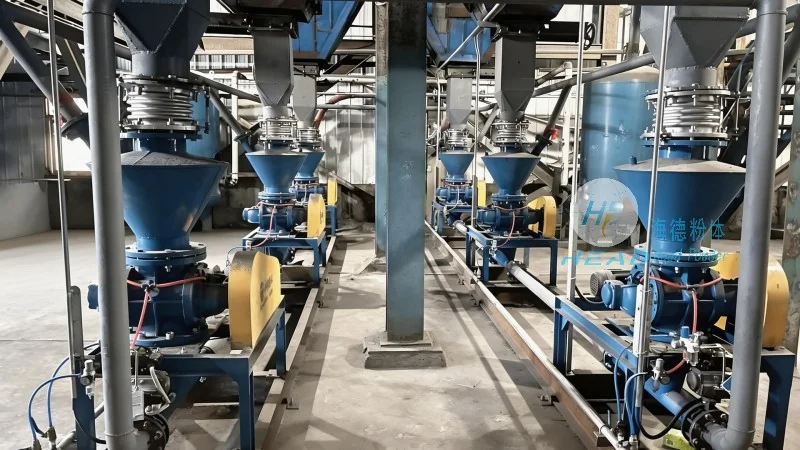
The benefits of using pneumatic conveying for these applications are significant. Compared to traditional methods, such as bucket elevators or belt conveyors, pneumatic systems offer several advantages. One of the most notable benefits is the ability to handle materials in a closed system, which reduces dust exposure and improves workplace safety. This is particularly important for graphite electrode materials, which can release fine dust that is harmful if inhaled. The closed system also helps to maintain the material's quality by preventing contamination from external sources.
Another key benefit is the flexibility of pneumatic conveying systems. They can be easily adapted to different conveying distances and heights, making them suitable for a wide range of industrial layouts. The systems can also be integrated with other equipment, such as mixers or grinders, to form a complete material handling solution. This flexibility allows manufacturers to optimize their production processes and improve overall efficiency.
Furthermore, pneumatic conveying systems are energy-efficient compared to other transport methods. The use of compressed air or vacuum to move the material reduces the need for mechanical components, such as motors or gears, which can be less efficient and more prone to failure. The energy savings can be substantial, especially for large-scale industrial operations where material transport is a major component of the overall energy consumption.
Conclusion
Pneumatic conveying is a critical technology for the efficient handling of graphite electrode materials in industrial applications. The principles behind this method, combined with the specific characteristics of the working scenes, ensure that these high-value materials are transported safely, reliably, and efficiently. By understanding the fundamental principles of pneumatic conveying and the key characteristics of its working scenes, manufacturers can design and implement systems that meet their specific needs and improve overall operational performance. As the demand for graphite electrodes continues to grow, the importance of efficient material handling systems will only increase, making pneumatic conveying an essential component of modern industrial operations.