

Principle and Operational Characteristics of a Dry Sodium Sulfate Material Pneumatic Conveying Syste
For industrial applications involving the handling of dry sodium sulfate, efficient and reliable material transport is crucial. The pneumatic conveying system designed by Shandong HeadPowder Engineering Co., Ltd. offers a sophisticated solution that addresses the unique challenges associated with this material. This article explores the fundamental principles behind the system and highlights its operational characteristics in various industrial settings.
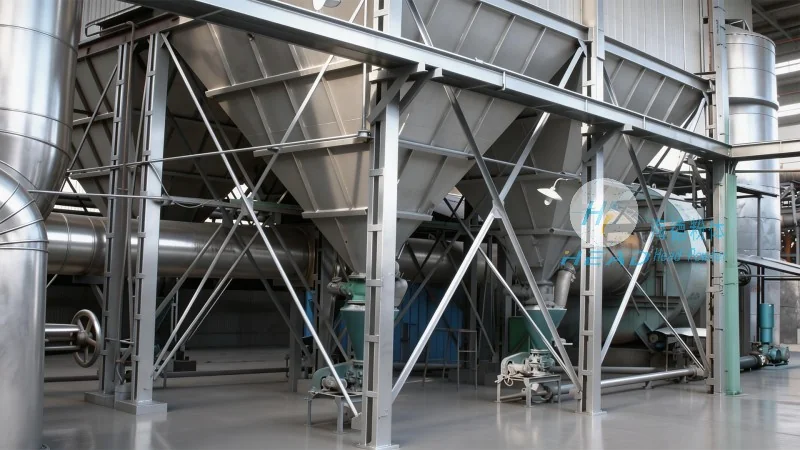
Introduction to Dry Sodium Sulfate Pneumatic Conveying
Dry sodium sulfate, also known as anhydrous sodium sulfate, is a common chemical used in industries such as glass manufacturing, paper production, and chemical processing. Its handling requires specialized equipment due to its granular or powdery nature and the need to maintain consistent flow rates. The pneumatic conveying system developed by HeadPowder provides an effective method for transporting this material from storage to processing units without the need for mechanical components like belts or buckets.
The Core Principle of Pneumatic Conveying
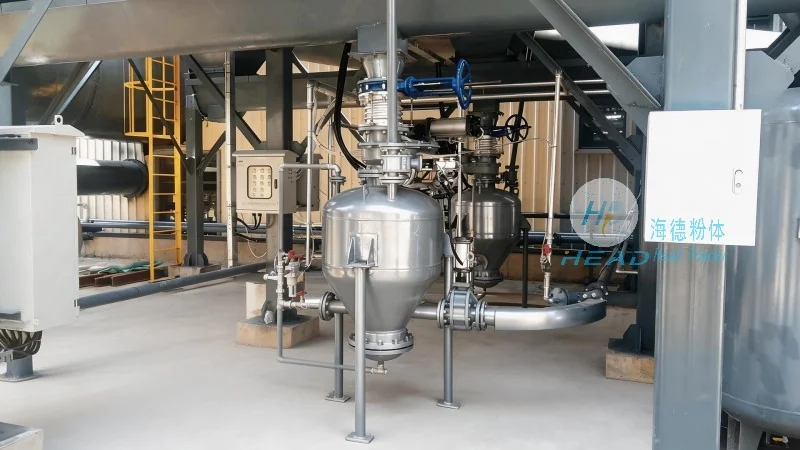
The pneumatic conveying system operates on the principle of using compressed air to move dry sodium sulfate particles through a pipeline. The system typically consists of a blower or compressor that generates the necessary air pressure, a hopper or feeder to introduce the material, and a pipeline network that transports the material to the destination. As the compressed air flows through the pipeline, it creates a low-pressure zone that draws the sodium sulfate particles into the air stream, forming a dense phase or dilute phase flow depending on the system design. This method allows for continuous, dust-free transport of the material, reducing the risk of contamination and improving overall operational efficiency.
Key Components and Their Functions
The effectiveness of the dry sodium sulfate pneumatic conveying system relies on several critical components, each playing a specific role in the material transport process. The blower or compressor is the power source, providing the necessary air pressure to move the material. The feeder or hopper ensures a consistent and controlled feed rate of the sodium sulfate, preventing overloading or underfeeding that could disrupt the system. The pipeline network, often made of stainless steel or other corrosion-resistant materials, is designed to withstand the abrasive nature of the material and maintain airtight integrity. Additionally, the system may include filters and cyclones to separate the material from the air stream, ensuring that the material is delivered to the processing unit without any air contamination.
Operational Characteristics in Different Industrial Scenarios
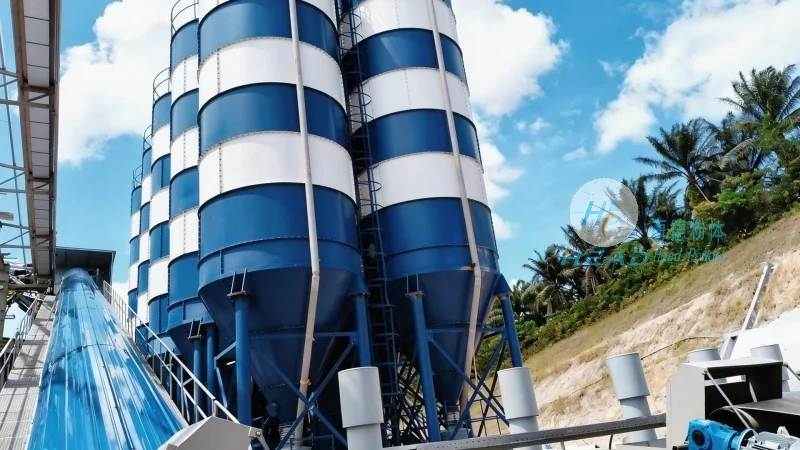
The pneumatic conveying system from HeadPowder is versatile and can be adapted to various industrial scenarios where dry sodium sulfate is used. In glass manufacturing, for example, the system efficiently transports the material from storage silos to the melting furnaces, ensuring a steady supply of raw material. In paper production, the system can handle the material from chemical processing units to the papermaking machines, maintaining consistent quality and reducing downtime. The system's ability to operate in both dense phase and dilute phase modes allows it to be tailored to specific process requirements, such as long-distance transport or high-volume material handling. The operational characteristics also include low maintenance requirements, as the system has fewer moving parts compared to traditional mechanical conveyors, and the ability to handle abrasive materials without significant wear and tear.
Advantages of Using a Pneumatic Conveying System for Dry Sodium Sulfate
Implementing a pneumatic conveying system for dry sodium sulfate offers several advantages over traditional material handling methods. One of the primary benefits is the reduction in dust and contamination, as the material is transported in an enclosed system. This not only improves workplace safety but also maintains the purity of the material, which is critical in applications like glass and paper production. Another advantage is the ability to handle long distances and multiple destinations, as the system can be configured with branching pipelines to deliver the material to several processing units. The system also provides better control over the material flow rate, allowing for precise dosing and preventing overloading of equipment. Furthermore, the low maintenance requirements and the ability to handle abrasive materials make the system cost-effective and reliable in the long term.
Conclusion and Company Overview
Shandong HeadPowder Engineering Co., Ltd. specializes in designing and manufacturing advanced pneumatic conveying systems tailored to the needs of various industries, including those handling dry sodium sulfate. The company's expertise in material handling technology ensures that the systems are efficient, reliable, and adaptable to different operational requirements. With a focus on quality and customer satisfaction, HeadPowder provides comprehensive solutions that enhance the productivity and safety of industrial processes. The pneumatic conveying system for dry sodium sulfate is a testament to the company's commitment to innovation and excellence in engineering, offering a sustainable and effective method for material transport in modern industrial applications.