

Principle and Working Scene Characteristics of Carbon Powder Material Pneumatic Conveying Lines
Carbon powder material pneumatic conveying lines are an efficient and flexible system for transporting fine powders like carbon powder in industrial settings. This technology leverages the power of compressed air or other gas streams to move materials through a pipeline network, offering advantages such as reduced contamination, minimal maintenance, and the ability to handle materials in a closed system. The core principle revolves around creating a pressure differential that propels the carbon powder particles through the conveying line, ensuring reliable and continuous material transfer.
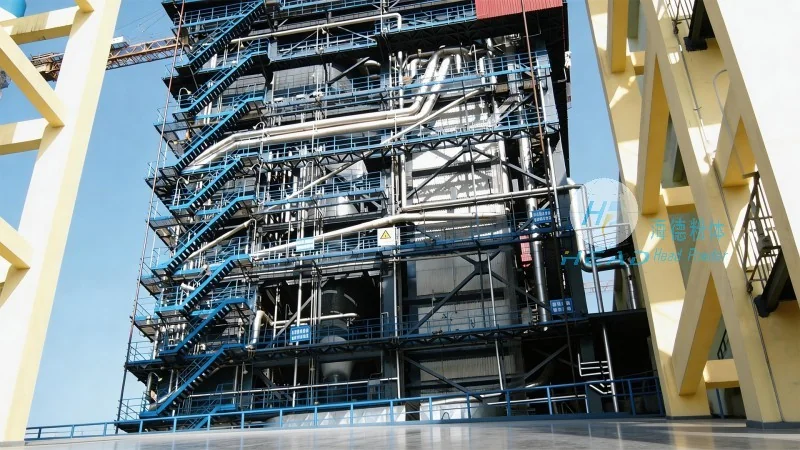
Working Principle of Pneumatic Conveying Systems
The fundamental mechanism of a carbon powder pneumatic conveying line involves the use of a blower or compressor to generate a high-pressure air stream. This air is then introduced into the conveying line, where it interacts with the carbon powder. The air flow entrains the powder particles, forming a mixture known as a "slurry" or "conveyed stream." The pressure difference between the inlet and outlet of the system drives the material forward. The system typically includes components such as a hopper for material storage, a feeder to control the flow rate, a conveying line with appropriate diameter and length, and a receiver to collect the material at the destination. The design of the system, including the type of air flow (positive or negative pressure) and the configuration of the conveying line, is tailored to the specific characteristics of the carbon powder, such as particle size, density, and moisture content.
Key Components and Their Functions
Several critical components work together to ensure the smooth operation of a carbon powder pneumatic conveying line. The hopper serves as the storage vessel, holding the carbon powder and providing a consistent feed to the system. The feeder, often a rotary valve or a screw feeder, regulates the amount of powder released into the conveying line, preventing overloading and maintaining a stable flow rate. The blower or compressor generates the necessary air pressure to move the material. The conveying line itself is usually made of stainless steel or other corrosion-resistant materials to withstand the abrasive nature of carbon powder and to prevent contamination. The receiver collects the material at the end of the line, ensuring that the material is delivered to the intended destination without spillage or loss. Additionally, filters and cyclones may be incorporated into the system to separate any fine particles from the air stream, improving air quality and preventing dust accumulation in the environment.
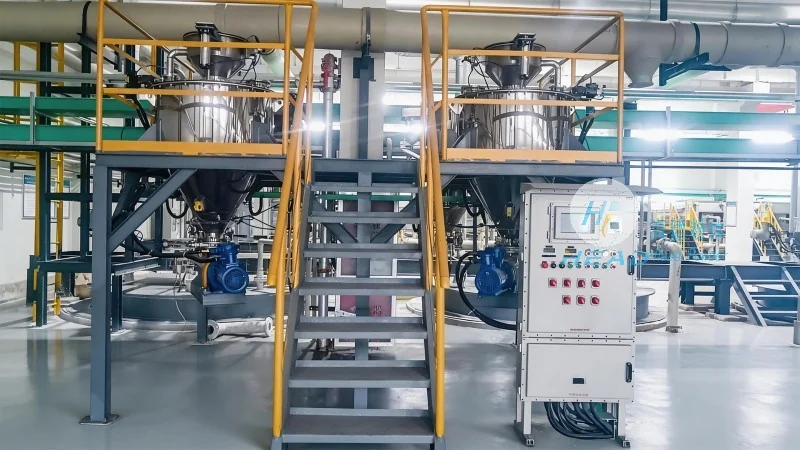
Working Scene Characteristics and Applications
The application scenarios for carbon powder pneumatic conveying lines are diverse and widespread across various industries. In the battery manufacturing sector, for example, these systems are used to transport carbon powders such as graphite or carbon black to the production lines, where they are used as anode materials. The closed system design minimizes exposure to dust, which is crucial for maintaining a safe and clean working environment. In the electronics industry, carbon powders are used in the production of printed circuit boards and other components, and pneumatic conveying lines ensure that these materials are handled hygienically and efficiently. The flexibility of the system allows it to be adapted to different production scales, from small-scale laboratory operations to large-scale industrial manufacturing plants. The ability to transport materials over long distances without the need for intermediate storage or handling also makes these systems ideal for applications where material continuity is essential. Furthermore, the system's ability to handle materials with varying properties, such as different particle sizes or moisture levels, makes it a versatile solution for various carbon powder applications.
Advantages of Carbon Powder Pneumatic Conveying Lines
There are several advantages that make carbon powder pneumatic conveying lines a preferred choice for material handling in many industries. One of the primary benefits is the reduction of material contamination. Since the system operates in a closed environment, there is minimal exposure to external elements, ensuring that the carbon powder remains pure and free from contaminants. This is particularly important for high-purity applications where even small amounts of impurities can affect the final product quality. Another advantage is the improved safety and hygiene. The closed system eliminates dust emissions, reducing the risk of respiratory issues for workers and preventing dust accumulation in the workplace. This is especially beneficial in industries where carbon powders are known to be hazardous or where strict environmental regulations are in place. Additionally, the system offers high efficiency and reliability. The continuous operation of the conveying line ensures that material is transported consistently, with minimal downtime. The design of the system, including the use of appropriate materials and components, ensures long-term durability and low maintenance requirements. The flexibility of the system also allows for easy integration with existing production lines, reducing the need for extensive modifications or new infrastructure.
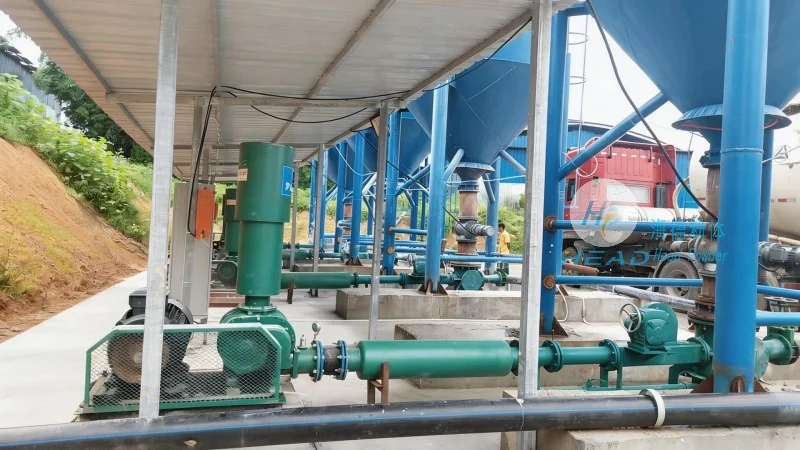
Customization and Scalability for Different Needs
Shandong HeadPowder Engineering Co., Ltd. specializes in designing and manufacturing customized carbon powder pneumatic conveying lines to meet the specific needs of their clients. The company, commonly referred to as headpowder, leverages years of experience in the field to provide tailored solutions that address the unique challenges of each application. The company's headquarters is located in Shandong, China, where they have a dedicated team of engineers and technicians who work closely with clients to understand their requirements and develop optimal solutions. The customization process involves careful analysis of the carbon powder properties, the required conveying distance, the desired flow rate, and the environmental conditions. Based on this analysis, the company designs a system that incorporates the appropriate components, such as the type of blower, the diameter of the conveying line, and the configuration of the receiver. The scalability of the system is another key feature, as it can be adapted to accommodate changes in production volume or to expand the system as the client's needs grow. This flexibility ensures that the system remains effective and efficient even as the business evolves.
Conclusion and Future Prospects
Carbon powder material pneumatic conveying lines represent a sophisticated and effective solution for the transportation of fine powders in industrial applications. The principles and components of these systems are designed to ensure reliable, efficient, and safe material handling. As industries continue to demand higher purity and more efficient processes, the importance of such systems will only increase. Companies like Shandong HeadPowder Engineering Co., Ltd. play a crucial role in providing these advanced solutions, helping businesses to improve their operational efficiency and maintain high standards of quality and safety. With their expertise and commitment to innovation, the future of carbon powder pneumatic conveying systems looks promising, with continued advancements in technology and design that will further enhance their performance and versatility.