

Principle and Working Scene Characteristics of Pneumatic Conveying Systems for Coal and Sand Materia
HeadPowder, a leading engineering company based in Shandong, China, specializes in the design and implementation of advanced pneumatic conveying systems tailored for transporting coal and sand materials. These systems represent a critical solution in industrial material handling, offering efficient, reliable, and environmentally friendly methods to move bulk materials over varying distances and through complex layouts. Understanding the underlying principles and operational characteristics of such systems is essential for optimizing material transport processes in various industrial applications.
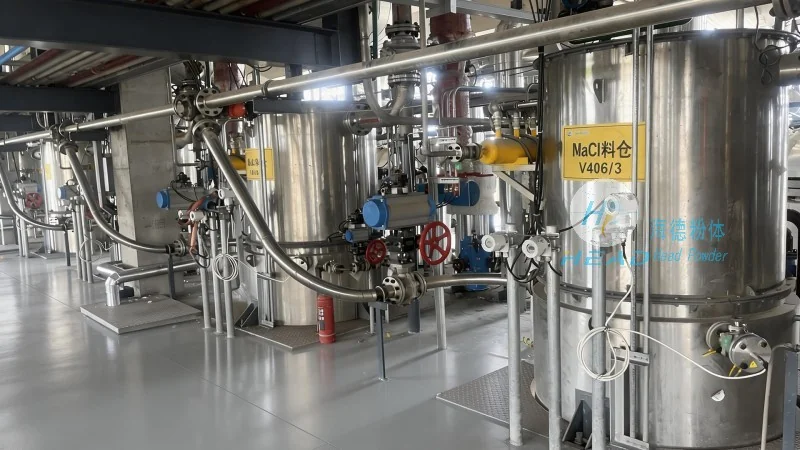
Company Overview: Shandong HeadPowder Engineering Co., Ltd.
HeadPowder, formally known as Shandong HeadPowder Engineering Co., Ltd., is a reputable engineering firm headquartered in Shandong, China. With a strong commitment to innovation and precision engineering, the company has established itself as a trusted provider of customized pneumatic conveying solutions. The company’s expertise lies in integrating advanced technology with practical application, ensuring that each system is tailored to meet the specific needs of clients across diverse industries. By leveraging years of experience and a dedicated team of engineers, HeadPowder delivers high-performance solutions that enhance operational efficiency and reduce downtime.
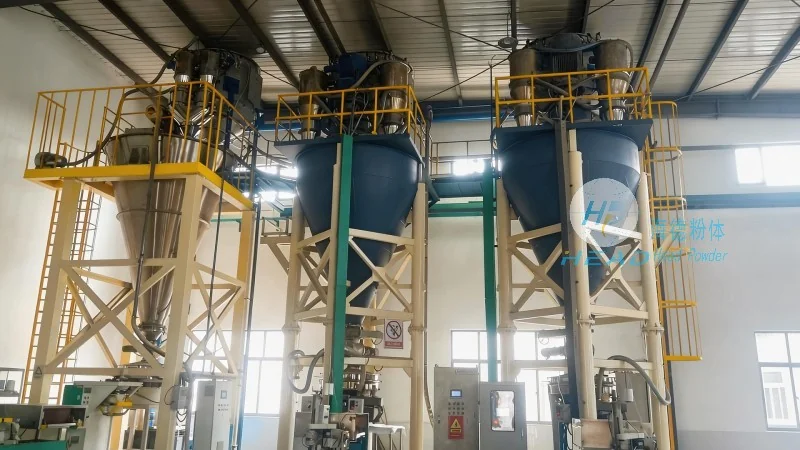
The Principle of Pneumatic Conveying for Coal and Sand Materials
Pneumatic conveying systems operate on the fundamental principle of using air to transport bulk materials through a network of pipes. For coal and sand materials, these systems typically employ either positive pressure or negative pressure (vacuum) methods. The positive pressure system involves blowing air into the material, creating a flow that carries the particles through the pipeline. Conversely, the negative pressure system draws material into a vacuum, which is then transported through the pipe. The choice between these methods depends on factors such as material characteristics, distance, and system complexity. Key components of a typical pneumatic conveying system include the material feeder, which ensures consistent material flow; the air compressor or vacuum pump, which generates the necessary air pressure or vacuum; the conveying pipeline, which transports the material; and the separation and collection equipment, which returns the air to the system and collects the material at the destination. The efficiency of the system is heavily influenced by the design of these components, particularly the feeder and the separation unit, which must be optimized to handle the specific properties of coal and sand, such as particle size, density, and moisture content.
Working Scene Characteristics of Pneumatic Conveying Systems for Coal and Sand
The operational characteristics of pneumatic conveying systems for coal and sand materials are shaped by several key factors that define their suitability for different industrial environments. One of the primary advantages is the ability to achieve continuous, unattended operation, which is particularly valuable in high-volume material handling scenarios. This allows for consistent production rates and reduces the need for manual intervention, thereby minimizing labor costs and potential errors. Additionally, pneumatic conveying systems are highly effective in handling materials that are difficult to transport by other means, such as fine powders or abrasive particles, which are common in coal and sand applications. The systems also offer flexibility in terms of layout, as they can be configured to follow complex routes, including vertical lifts and horizontal turns, without the need for additional mechanical components. Another critical characteristic is the environmental impact; modern pneumatic conveying systems are designed to minimize dust emissions and noise, making them a more sustainable option compared to traditional methods like belt conveyors. This is achieved through features such as enclosed pipelines and efficient filtration systems. Furthermore, the systems are capable of handling varying material loads, adapting to fluctuations in production rates without compromising performance. The reliability of these systems is enhanced by their ability to operate under a wide range of conditions, including different ambient temperatures and humidity levels, which is essential for outdoor or industrial settings where coal and sand are commonly processed.
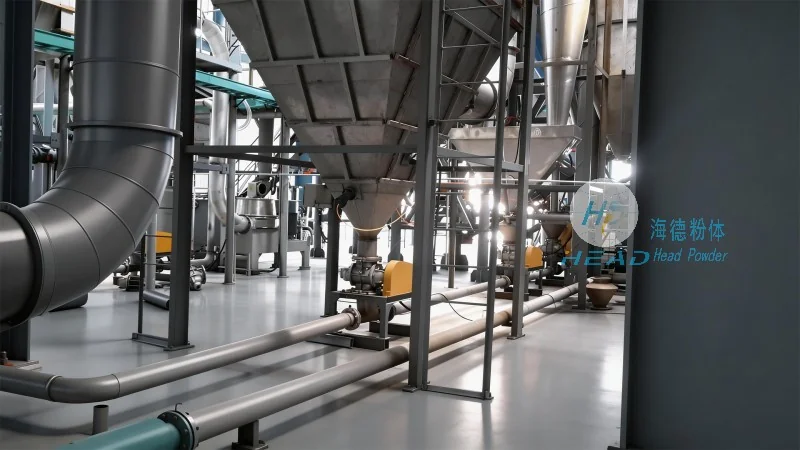
Customized Solutions by HeadPowder for Coal and Sand Material Handling
HeadPowder recognizes that each industrial application has unique requirements, and therefore, offers customized pneumatic conveying solutions that address the specific challenges of coal and sand material handling. The company’s engineering team works closely with clients to assess their operational needs, material properties, and site constraints, developing tailored systems that maximize efficiency and minimize costs. For example, in coal processing plants, the system may need to handle large volumes of coal with varying moisture content, requiring specialized feeders and separation equipment to prevent clogging and ensure consistent flow. Similarly, in sand processing facilities, the system must be designed to handle abrasive materials that can cause wear on components, necessitating the use of high-quality materials and protective coatings. HeadPowder’s solutions also include integration with existing infrastructure, ensuring seamless operation with current processes. The company’s commitment to quality is reflected in its adherence to industry standards and rigorous testing protocols, which guarantee the reliability and longevity of the systems. By providing comprehensive support from design and installation to maintenance and troubleshooting, HeadPowder ensures that clients achieve optimal performance and operational continuity. The company’s expertise in pneumatic conveying technology, combined with its local presence in Shandong, China, positions it as a trusted partner for businesses seeking to enhance their material handling capabilities.