

Principle and Working Scene Characteristics of High-Calcium Material Pneumatic Conveying Lines
High-calcium materials, such as limestone, gypsum, and calcium carbonate, are widely used in industrial processes across various sectors including construction, chemical manufacturing, and food processing. The efficient and reliable transportation of these materials is crucial for maintaining production efficiency and reducing operational costs. Pneumatic conveying systems have emerged as a preferred solution for handling high-calcium materials due to their ability to transport bulk materials in a dust-free, low-maintenance manner. This article explores the fundamental principles of high-calcium material pneumatic conveying lines and highlights the key working scene characteristics that make them suitable for diverse industrial applications.
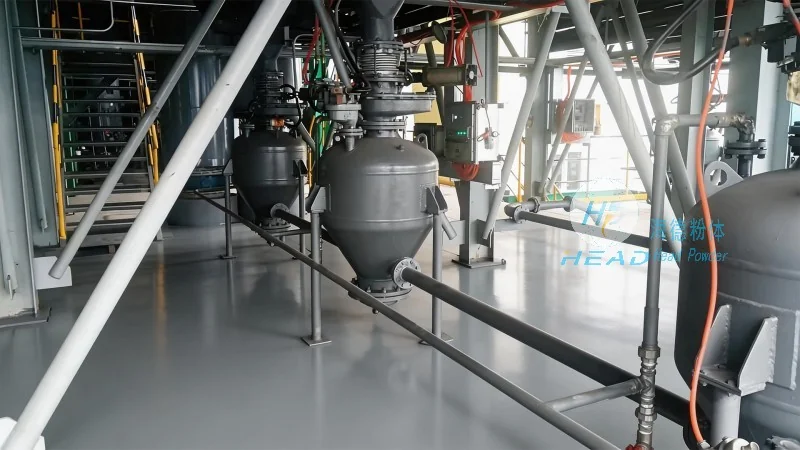
Introduction to High-Calcium Material Pneumatic Conveying
High-calcium material pneumatic conveying lines utilize air or gas as the conveying medium to transport bulk materials from one location to another. Unlike traditional mechanical conveying systems, which rely on belts, screws, or buckets, pneumatic systems employ pressure or vacuum to move materials through a pipeline network. This method is particularly advantageous for high-calcium materials, which often have abrasive properties and can be prone to dust generation during handling. The core components of a typical high-calcium material pneumatic conveying system include a material hopper, a feeder, a conveying line, a receiver, and a control system. The material hopper stores the high-calcium material, while the feeder regulates the flow rate into the conveying line. The conveying line transports the material using air pressure, and the receiver collects the material at the destination. The control system monitors and adjusts the system parameters to ensure optimal performance.
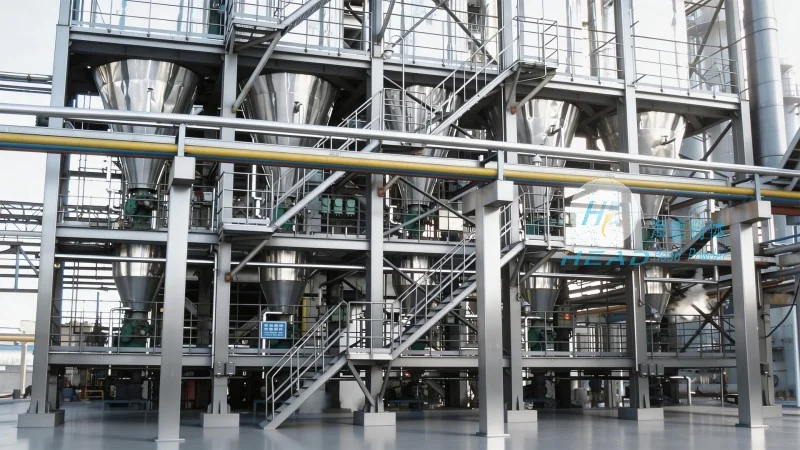
Principle of Operation for High-Calcium Material Pneumatic Conveying
The operation of high-calcium material pneumatic conveying lines is based on the principle of fluidization and suspension. When air is introduced into the conveying line at a sufficient velocity, it creates a fluidized bed within the pipeline, allowing the high-calcium particles to be suspended and transported along with the air stream. The velocity of the air must be maintained above the minimum conveying velocity, which is determined by the material's properties such as particle size, density, and shape. For high-calcium materials, the conveying velocity is typically higher than for other bulk materials due to their higher density and potential for agglomeration. The system can operate in either positive pressure or negative pressure modes. Positive pressure systems use compressed air to push the material through the line, while negative pressure systems use vacuum to draw the material into the line. Both modes are suitable for high-calcium materials, but the choice depends on the specific application and the distance between the source and destination.
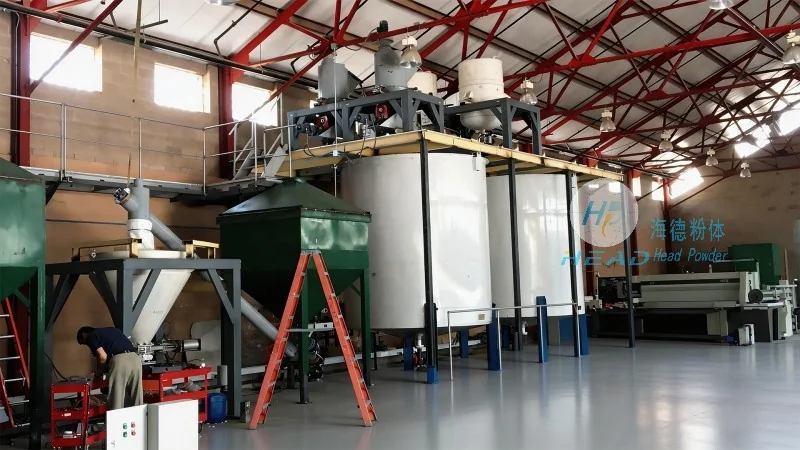
Working Scene Characteristics of High-Calcium Material Pneumatic Conveying Lines
The working scene characteristics of high-calcium material pneumatic conveying lines are tailored to meet the demands of various industrial environments. These characteristics include high material handling capacity, flexibility in system layout, and the ability to handle materials with varying properties. High-calcium materials often require systems with higher conveying capacities to handle large volumes efficiently. The flexibility of pneumatic conveying systems allows for easy integration into existing production lines, enabling the transportation of materials between multiple points without the need for extensive reconfiguration. Additionally, the systems can be designed to handle materials with different particle sizes and moisture content, making them versatile for diverse applications. The working scene also considers the environmental impact, as pneumatic conveying systems are generally more dust-free compared to mechanical systems, reducing the risk of dust exposure for workers and minimizing environmental contamination. The control systems in these lines are equipped with sensors and automation features to monitor parameters such as pressure, flow rate, and material level, ensuring consistent and reliable operation. This automation enhances the overall efficiency and reduces the need for manual intervention, which is particularly important in high-calcium material handling where the materials can be abrasive and cause wear on equipment.
Applications and Benefits in Industrial Settings
High-calcium material pneumatic conveying lines are widely used in industrial settings where the transportation of bulk materials is critical. In the construction industry, these systems are used to transport limestone and gypsum for cement production, ensuring a steady supply of raw materials to the production line. In the chemical industry, they are employed to handle calcium carbonate and other high-calcium compounds used in the manufacturing of plastics, paints, and coatings. The food processing industry also utilizes these systems for transporting calcium supplements and other high-calcium ingredients, maintaining hygiene and efficiency in the production process. The benefits of using high-calcium material pneumatic conveying lines include improved safety due to reduced dust exposure, lower maintenance costs compared to mechanical systems, and increased production efficiency through consistent material flow. The systems are designed to handle the abrasive nature of high-calcium materials, reducing equipment wear and extending the lifespan of components. Furthermore, the flexibility of the systems allows for easy adaptation to changes in production requirements, such as scaling up or down the material handling capacity, without significant modifications to the overall system.
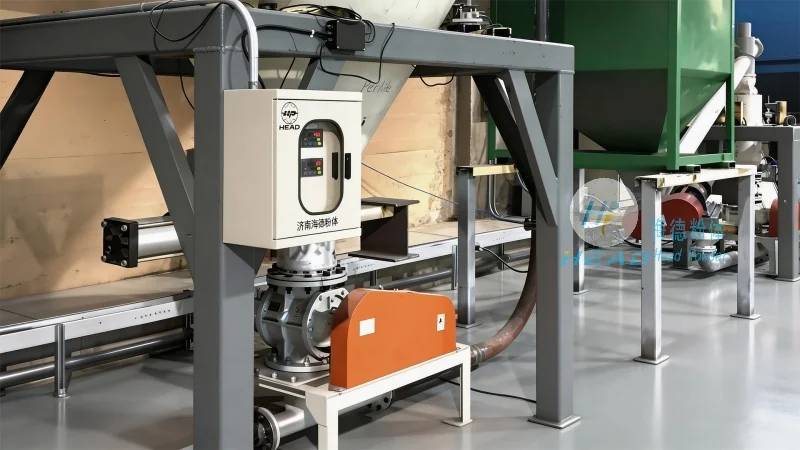
Conclusion and Company Overview
High-calcium material pneumatic conveying lines represent a sophisticated and efficient solution for transporting bulk materials in industrial applications. The principles of fluidization and suspension, combined with advanced control systems, enable these lines to handle high-calcium materials with precision and reliability. The working scene characteristics, including high capacity, flexibility, and environmental benefits, make them suitable for diverse industrial settings. As the demand for efficient material handling continues to grow, the adoption of high-calcium material pneumatic conveying lines is expected to increase, driven by the need for cost-effective and sustainable solutions. Shandong HeadPowder Engineering Co., Ltd., a leading manufacturer in the field, specializes in designing and manufacturing customized pneumatic conveying systems tailored to the specific needs of high-calcium material applications. With a focus on innovation and quality, the company provides comprehensive solutions that enhance operational efficiency and ensure long-term performance for its clients. Based in Shandong, China, HeadPowder Engineering Co., Ltd. leverages its expertise and experience to deliver reliable and durable pneumatic conveying systems that meet the highest industry standards.