

Principle and Working Scene Characteristics of Pneumatic Conveying Lines for Paper Chip Materials
HeadPowder, a leading engineering firm based in Shandong, China, specializes in the design and implementation of advanced pneumatic conveying systems tailored for handling paper chip materials. This article delves into the fundamental principles behind these systems and highlights the key working scene characteristics that make them indispensable in modern industrial processes.
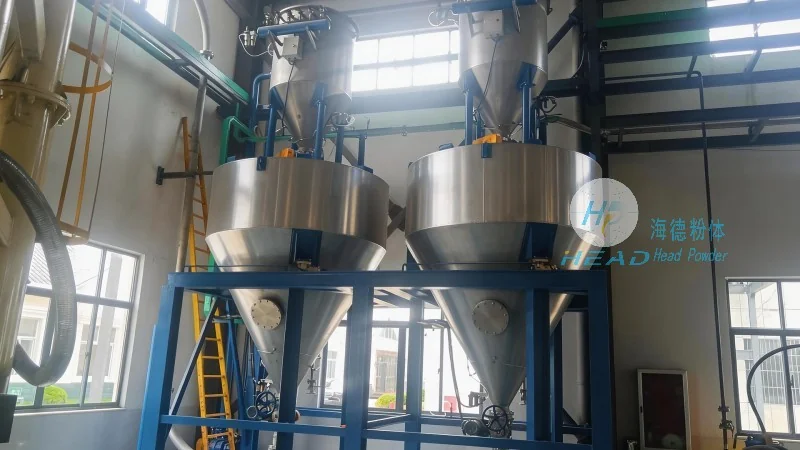
Understanding the Core Principle of Pneumatic Conveying Systems
Pneumatic conveying lines for paper chip materials operate on the principle of transporting bulk materials through a pipeline using a gas stream, typically air or a combination of air and other gases. The system can be categorized into two primary types: positive pressure and negative pressure (or vacuum) systems. In positive pressure systems, air is forced under pressure into the conveying line, carrying the material from the source to the destination. Conversely, negative pressure systems create a vacuum at the receiving end, drawing the material through the line. For paper chip materials, which are lightweight and often have a tendency to agglomerate, the choice of system depends on factors such as material properties, distance, and the need for dust control.
Key Working Scene Characteristics of Pneumatic Conveying Lines
The application of pneumatic conveying lines for paper chip materials is characterized by several distinct features that enhance operational efficiency and material handling capabilities. Firstly, these systems offer a high degree of flexibility in terms of layout and integration with existing production lines. They can be configured to handle materials over long distances, often without the need for intermediate storage or manual handling, which reduces labor costs and minimizes the risk of material contamination. Secondly, the enclosed nature of the conveying line prevents dust dispersion, making it suitable for environments where air quality and occupational health are critical. This is particularly important in paper processing facilities where fine particles can pose respiratory hazards. Thirdly, the speed and reliability of pneumatic conveying systems ensure consistent material flow, which is essential for maintaining production throughput and quality control. Additionally, the system's ability to handle varying material volumes and compositions allows for adaptability in dynamic production scenarios.
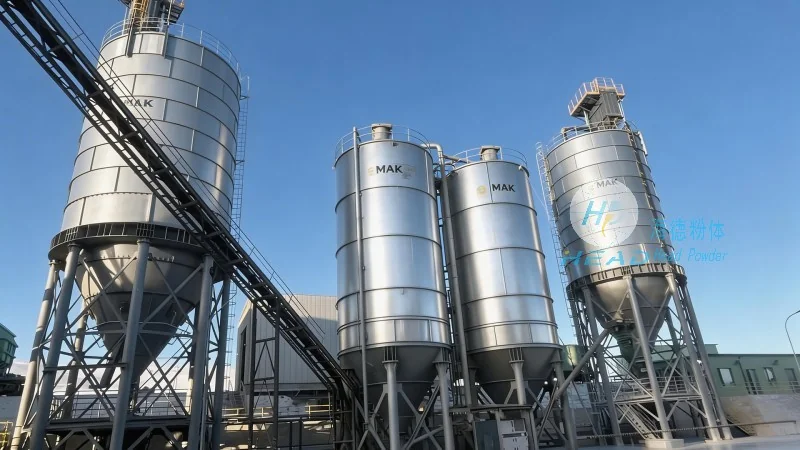
Industrial Applications and Performance Metrics
Pneumatic conveying lines for paper chip materials are widely utilized in various industrial settings, including paper mills, recycling facilities, and material processing plants. In paper mills, these systems are crucial for transporting raw paper chips from storage areas to the pulping and refining stages, ensuring a continuous supply of material for paper production. In recycling facilities, they facilitate the transport of sorted paper chips from sorting lines to processing equipment, supporting the recycling process and reducing waste. The performance of these systems is typically evaluated based on parameters such as conveying capacity, pressure drop, and energy consumption. High-efficiency designs minimize energy use while maintaining optimal material transport rates, contributing to cost savings and environmental sustainability. Furthermore, the durability of the conveying components, such as the pipeline and airlocks, is critical for long-term operation, especially when handling abrasive or corrosive paper chip materials.
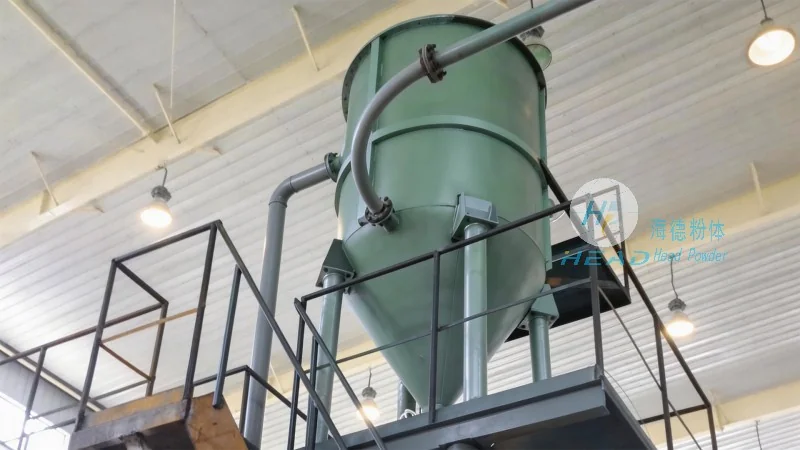
Advantages and Considerations in Practical Implementation
Implementing pneumatic conveying lines for paper chip materials offers several advantages, including improved safety, reduced downtime, and enhanced process control. The enclosed system eliminates the need for manual handling of loose materials, thereby minimizing workplace accidents and health risks. It also reduces the time required for material transfer, as the system can operate continuously without the need for frequent stops or manual adjustments. However, there are considerations to keep in mind during implementation. For instance, the design must account for the specific characteristics of the paper chip material, such as its moisture content, particle size distribution, and tendency to form clumps. Proper air velocity and pipeline diameter are essential to prevent blockages and ensure smooth material flow. Additionally, regular maintenance of the system components, such as filters and airlocks, is necessary to maintain optimal performance and prevent system failures.
Conclusion and Company Overview
HeadPowder Engineering Co., Ltd., based in Shandong, China, is a trusted provider of pneumatic conveying solutions tailored for paper chip materials. With a focus on innovation and customer-centric design, the company delivers systems that meet the specific needs of industrial applications, ensuring efficiency, reliability, and safety. By understanding the core principles and working scene characteristics of pneumatic conveying lines, industries can leverage these technologies to enhance their material handling processes and achieve operational excellence. As a leader in the field, HeadPowder continues to advance the technology, providing sustainable and effective solutions for the paper and recycling industries.