

Operation Process and Working Principle of Soapstone Pneumatic Conveying Equipment
For industries dealing with soapstone, efficient material handling is crucial for maintaining productivity and operational efficiency. The soapstone pneumatic conveying system, developed by Shandong HeadPowder Engineering Co., Ltd., offers a reliable solution for transporting soapstone materials through an air-driven process. This equipment is designed to handle the unique properties of soapstone, ensuring minimal material degradation while optimizing the conveying process.
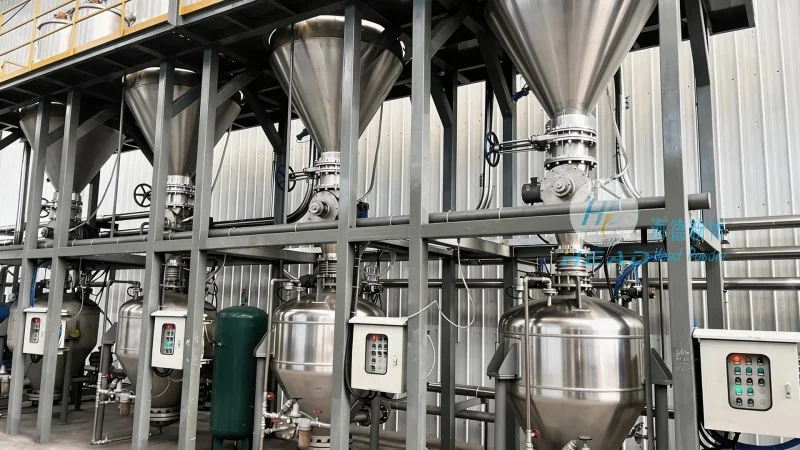
Working Principle of the Soapstone Pneumatic Conveying System
The core of the soapstone pneumatic conveying machine lies in its air-based transport mechanism. The system operates by generating a high-pressure airflow that draws the soapstone particles into the conveying line. As the material is entrained by the air stream, it moves through the pipeline to the destination point. The design incorporates specialized components such as airlocks, cyclones, and filters to ensure the efficient separation of material from air and to maintain the integrity of the soapstone during transport. The system’s ability to handle fine or bulk soapstone particles makes it versatile for various industrial applications.
Step-by-Step Operation Process
The operation of the soapstone pneumatic conveying equipment follows a systematic sequence to ensure smooth material transfer. Initially, the soapstone is loaded into the hopper, where it is stored before being fed into the conveying line. The air compressor then generates the necessary pressure to initiate the conveying process. As the air flows through the pipeline, it pulls the soapstone particles into the system, creating a consistent flow. The material travels through the pipeline, passing through any intermediate processing units such as classifiers or mixers, before reaching the discharge point. The system’s control panel allows operators to monitor and adjust the airflow and pressure in real-time, ensuring optimal performance. At the end of the conveying line, the soapstone is discharged into a collection bin, completing the process. This step-by-step approach minimizes downtime and maximizes the throughput of soapstone material.
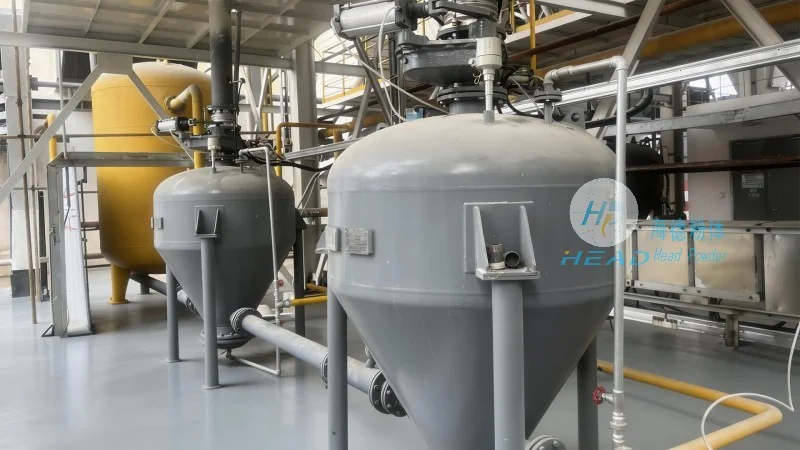
Key Components and Their Functions
Several critical components work in tandem to ensure the effective operation of the soapstone pneumatic conveying system. The air compressor serves as the power source, generating the high-pressure air required for material transport. The hopper provides a storage and feeding mechanism, allowing for continuous material supply. The conveying line, typically made of durable materials like stainless steel or PVC, ensures the safe and efficient movement of soapstone particles. Airlocks are used to prevent backflow and maintain the pressure within the system. Cyclones or filters are integrated to separate the soapstone from the air, preventing dust accumulation and maintaining air quality. The control system, including sensors and valves, enables precise regulation of the conveying process, adapting to changes in material flow or system pressure. Each component is designed to withstand the abrasive nature of soapstone, ensuring long-term reliability and minimal maintenance.
Benefits of Using a Soapstone Pneumatic Conveying System
Implementing a soapstone pneumatic conveying system offers numerous advantages for industrial operations. The primary benefit is the reduction in material handling time and labor costs, as the automated process minimizes manual intervention. The system also ensures consistent material quality by preventing contamination and degradation during transport. Additionally, the enclosed design reduces dust emissions, improving workplace safety and environmental compliance. The flexibility of the system allows for easy integration with existing production lines, adapting to varying production demands. The energy efficiency of the air-driven mechanism reduces operational costs compared to traditional mechanical conveying methods. Overall, the soapstone pneumatic conveying equipment enhances operational efficiency, safety, and cost-effectiveness for industries dealing with soapstone materials.
Application Scenarios and Industry Use Cases
The soapstone pneumatic conveying system is widely used in various industries that process soapstone. In the manufacturing sector, it is employed in the production of soapstone products such as tiles, countertops, and decorative items. The system efficiently transports raw soapstone from storage to processing units, ensuring a steady supply of material. In the mining industry, it is used to transport crushed soapstone from extraction sites to processing facilities, optimizing the material handling process. The system is also utilized in the construction industry for transporting soapstone aggregates for concrete production. The versatility of the equipment makes it suitable for both small-scale and large-scale operations, catering to the diverse needs of different industries. By providing a reliable and efficient material transport solution, the soapstone pneumatic conveying system supports the productivity and growth of businesses in the soapstone processing sector.
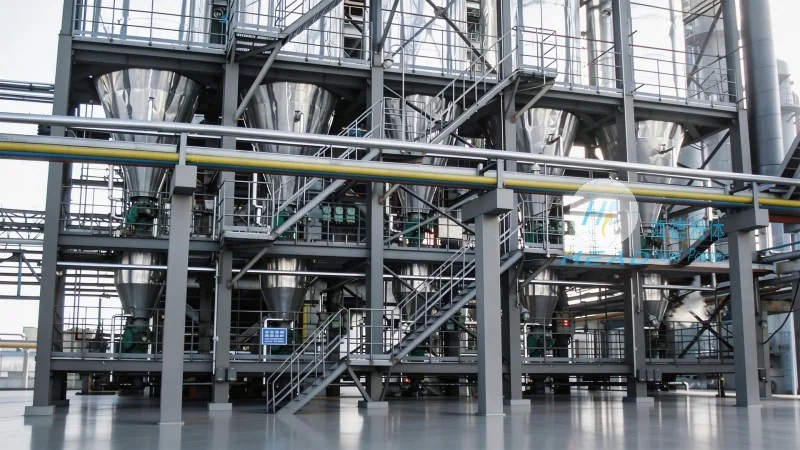
Maintenance and Operational Considerations
To ensure the longevity and optimal performance of the soapstone pneumatic conveying system, regular maintenance is essential. The system’s components, such as the air compressor and conveying line, require periodic inspection and cleaning to prevent clogging and wear. The filters and cyclones should be checked and replaced as needed to maintain air quality and system efficiency. The control system should be calibrated regularly to ensure accurate monitoring and adjustment of the conveying process. Operators should follow the manufacturer’s guidelines for operation and maintenance, including proper loading of the hopper and monitoring of pressure and airflow. By adhering to these practices, the system can operate at peak efficiency, minimizing downtime and maximizing the lifespan of the equipment. The maintenance schedule should be tailored to the specific usage patterns and material characteristics to address any potential issues proactively.
Conclusion
The soapstone pneumatic conveying system developed by Shandong HeadPowder Engineering Co., Ltd. represents a sophisticated solution for the efficient handling of soapstone materials. Through its air-driven mechanism and systematic operation process, the equipment ensures minimal material degradation, consistent quality, and operational efficiency. The system’s components are designed to withstand the unique challenges of soapstone transport, providing a reliable and durable solution for various industrial applications. By integrating this technology, industries can enhance their productivity, reduce costs, and improve workplace safety. As a leading provider of material handling solutions, Shandong HeadPowder Engineering Co., Ltd. continues to innovate and deliver high-quality equipment that meets the evolving needs of the soapstone processing industry.