

Operation Process and Working Principle of Dry Coffee Powder Conveying System
Understanding the operation process and working principle of dry coffee powder conveying systems is crucial for optimizing the efficiency and reliability of coffee processing operations. These systems are designed to handle the transportation of coffee powder from one point to another within a production facility, ensuring consistent flow and minimal product degradation. The following sections will delve into the key components, operational steps, and underlying principles that govern the functionality of such systems, presented by Shandong HeadPowder Engineering Co., Ltd., a leading provider of specialized conveying solutions.
Key Components of the Dry Coffee Powder Conveying System
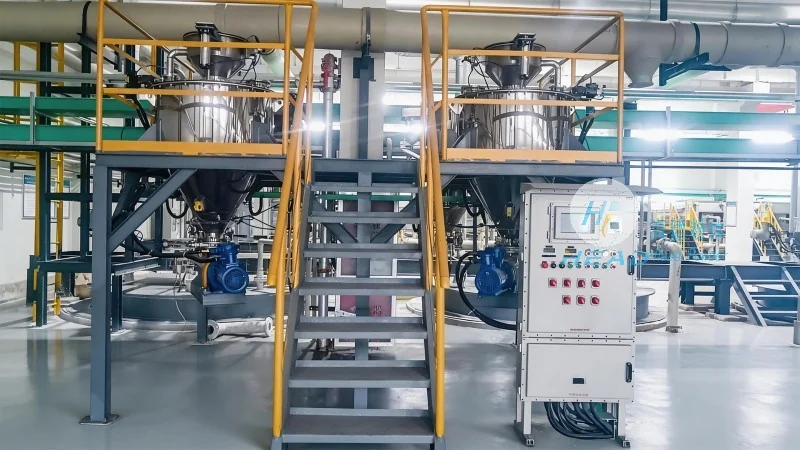
The dry coffee powder conveying system typically comprises several essential components that work in tandem to facilitate the movement of coffee powder. These components include a feed hopper, a conveyor mechanism (such as a screw conveyor or pneumatic conveyor), a control system, and a discharge outlet. The feed hopper is responsible for storing and feeding the coffee powder into the system, while the conveyor mechanism transports it through the system. The control system monitors and regulates the flow rate and pressure, ensuring smooth operation. The discharge outlet allows the coffee powder to be released at the desired location.
Operation Process of the Dry Coffee Powder Conveying System
The operation process of the dry coffee powder conveying system involves several sequential steps that ensure the efficient and safe handling of the product. The process begins with the loading of coffee powder into the feed hopper. The powder is then fed into the conveyor mechanism, which transports it through the system. The control system adjusts the flow rate based on the system's requirements, maintaining a consistent and controlled movement of the powder. The coffee powder is then discharged from the outlet, ready for further processing or packaging. Throughout the operation, the system is monitored for any potential issues, such as blockages or pressure fluctuations, to ensure optimal performance.
Working Principle of the Dry Coffee Powder Conveying System
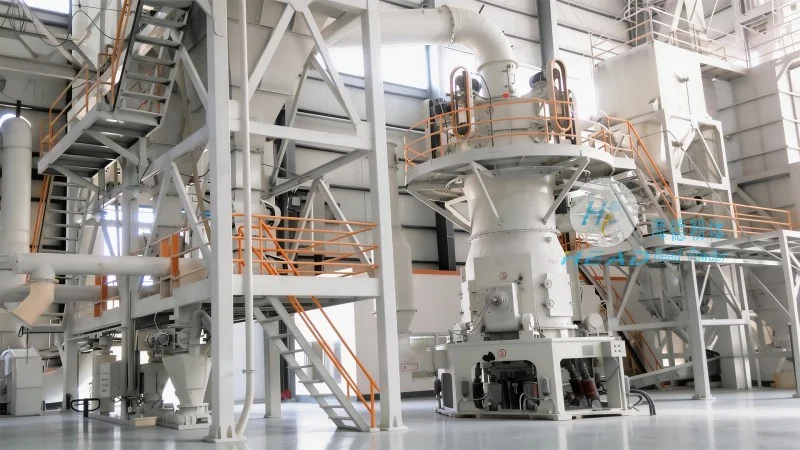
The working principle of the dry coffee powder conveying system is based on the principles of fluidization and pneumatic transport, depending on the specific type of conveyor used. For screw conveyors, the system relies on the rotation of a screw to push the coffee powder forward, creating a continuous flow. The screw's design, including its pitch and diameter, is optimized to handle the specific characteristics of coffee powder, such as its particle size and moisture content. For pneumatic conveyors, the system uses compressed air to transport the coffee powder through a pipeline. The air flow creates a negative pressure that draws the powder into the system, and the powder is then carried to the discharge point. The working principle ensures that the coffee powder is moved without causing excessive friction or degradation, maintaining its quality and integrity.
Role of the Control System in Ensuring System Efficiency
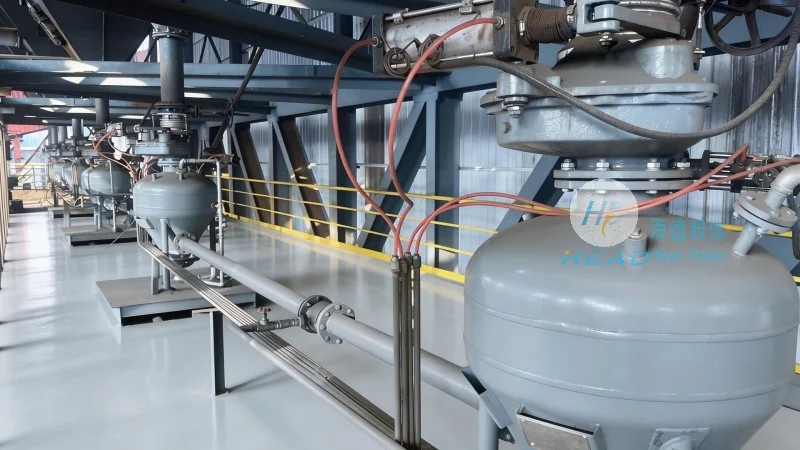
The control system plays a critical role in maintaining the efficiency and reliability of the dry coffee powder conveying system. It monitors various parameters, including flow rate, pressure, and temperature, to ensure that the system operates within optimal conditions. The system can automatically adjust the conveyor speed or air pressure to compensate for changes in the feed rate or product characteristics. Additionally, the control system includes safety features, such as overload protection and blockage detection, to prevent damage to the equipment and ensure the safety of the operators. By providing real-time monitoring and control, the system enhances the overall performance and reduces downtime, contributing to the smooth operation of the coffee processing facility.
Benefits of Using a Dry Coffee Powder Conveying System
Implementing a dry coffee powder conveying system offers several benefits for coffee processing operations. Firstly, it improves the efficiency of material handling by providing a continuous and controlled flow of coffee powder, reducing the need for manual labor and minimizing the risk of product loss. Secondly, the system helps maintain the quality of the coffee powder by minimizing exposure to air, moisture, and physical stress, which can degrade the product's flavor and aroma. Thirdly, the system enhances safety by reducing the need for manual handling of large quantities of coffee powder, thereby minimizing the risk of accidents and health hazards. Finally, the system contributes to cost savings by reducing energy consumption and equipment wear, leading to lower operational costs over time.