

Design Considerations for Polycrystalline Silicon Pneumatic Conveying System Solutions
Polycrystalline silicon (PCS) is a critical material in the photovoltaic industry, and its efficient handling is essential for production line optimization. The design of a pneumatic conveying system for polycrystalline silicon requires careful consideration of multiple factors to ensure reliability, efficiency, and safety. This article outlines key design considerations for such systems, presented by Shandong HeadPowder Engineering Co., Ltd., a leading provider in the field.
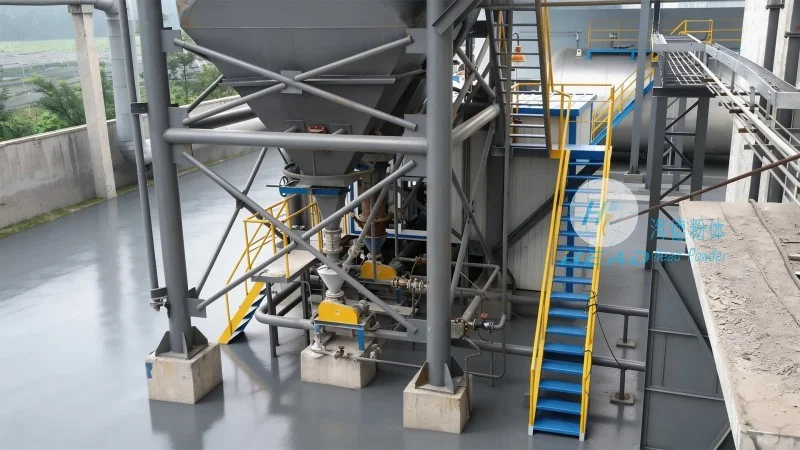
System Overview and Core Components
A polycrystalline silicon pneumatic conveying system typically consists of several key components, including a hopper for material storage, a feeder to control the flow rate, a conveying pipeline, and a receiver for material discharge. The system operates by using compressed air to transport the silicon powder through the pipeline. The design of each component must be tailored to the specific characteristics of polycrystalline silicon, such as its particle size, density, and flowability.
Material Characteristics and Impact on Design
Polycrystalline silicon has distinct physical properties that influence the selection of system components. For instance, the material's particle size distribution and moisture content can affect the air velocity required for effective conveying. The system must be designed to handle these variations without causing blockages or excessive pressure drops. Additionally, the abrasive nature of silicon powder necessitates the use of high-quality, wear-resistant materials for components like the hopper and pipeline to ensure long-term durability.
Feeder and Hopper Design Considerations
The feeder and hopper are critical components that directly impact the system's performance. The hopper must be designed to prevent material bridging and segregation, which can lead to uneven flow and system inefficiencies. A well-designed hopper with appropriate venting and aeration can maintain consistent material flow. The feeder, often a rotary valve or a screw feeder, must be capable of handling the specific flow rates required by the production line. It is essential to select a feeder that can handle the material's properties without causing wear or clogging.
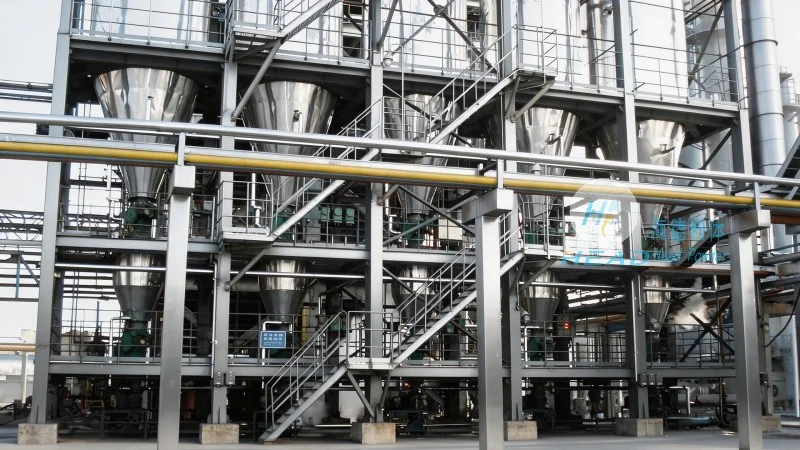
Pipeline Design and Airflow Management
The pipeline design is a crucial aspect of the system, as it directly affects the conveying efficiency and energy consumption. The diameter and length of the pipeline must be optimized to minimize pressure drop while ensuring sufficient air velocity to transport the material. The use of bends and fittings should be minimized to reduce resistance and prevent material accumulation. Additionally, the pipeline must be constructed from materials that are resistant to the abrasive nature of polycrystalline silicon, such as stainless steel or specialized coatings.
Receiver and Discharge System
The receiver is responsible for collecting the conveyed material and transferring it to the next stage of the production process. The design of the receiver must ensure that the material is discharged smoothly and without causing spillage or contamination. It may include features like a discharge valve or a hopper with a sloped bottom to facilitate material flow. The receiver should also be equipped with proper venting to prevent pressure buildup and maintain system stability.
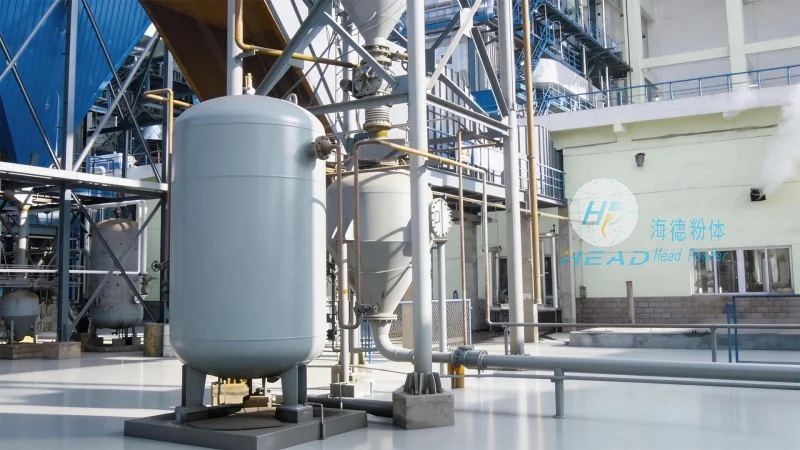
Control and Monitoring Systems
Modern pneumatic conveying systems for polycrystalline silicon often incorporate advanced control and monitoring systems. These systems can include sensors to monitor air pressure, flow rate, and material level, as well as automated controls to adjust the system parameters in real-time. The integration of such systems enhances the overall efficiency and reliability of the conveying process, allowing for quick response to changes in production demand or material characteristics.
Installation and Maintenance Considerations
The successful implementation of a polycrystalline silicon pneumatic conveying system requires careful planning and execution. Proper installation, including the alignment of components and the prevention of air leaks, is essential for optimal performance. Regular maintenance is also critical to ensure the longevity of the system. This includes routine inspections of wear parts, cleaning of the pipeline, and calibration of the control systems. By adhering to a comprehensive maintenance schedule, the system can maintain its efficiency and minimize downtime.
Conclusion
Designing a polycrystalline silicon pneumatic conveying system involves a comprehensive approach that considers the material's properties, system components, and operational requirements. By addressing key design considerations such as feeder and hopper design, pipeline management, and control systems, manufacturers can achieve efficient and reliable material handling. Shandong HeadPowder Engineering Co., Ltd. specializes in providing tailored solutions for such systems, leveraging years of experience and expertise in the field.