

Design Considerations for Caustic Soda Pneumatic Conveying System Solutions
Caustic soda, also known as sodium hydroxide, is a widely used chemical in various industrial processes. The efficient and safe handling of caustic soda through pneumatic conveying systems is crucial for maintaining operational efficiency and ensuring workplace safety. This article outlines key design considerations for caustic soda pneumatic conveying systems, presented by Shandong HeadPowder Engineering Co., Ltd., a leading provider in the field.
Company Profile and Expertise
Shandong HeadPowder Engineering Co., Ltd., commonly referred to as headpowder, is a reputable company based in Shandong, China. With years of experience in engineering and manufacturing, headpowder specializes in designing and implementing advanced pneumatic conveying solutions tailored to the unique requirements of chemical processing industries. The company's expertise lies in understanding the chemical properties of caustic soda and integrating them into robust, reliable conveying systems that meet industry standards and safety regulations.
Importance of System Design in Caustic Soda Handling
The design of a caustic soda pneumatic conveying system is a critical factor in ensuring optimal performance and safety. Caustic soda is a highly reactive and corrosive substance, making it essential to select materials and components that can withstand its chemical properties. Proper system design also involves considering factors such as the material's density, flow characteristics, and potential for dust generation, all of which impact the efficiency and longevity of the conveying process. A well-designed system minimizes downtime, reduces maintenance costs, and enhances overall operational safety.
Key Design Considerations for Pneumatic Conveying Systems
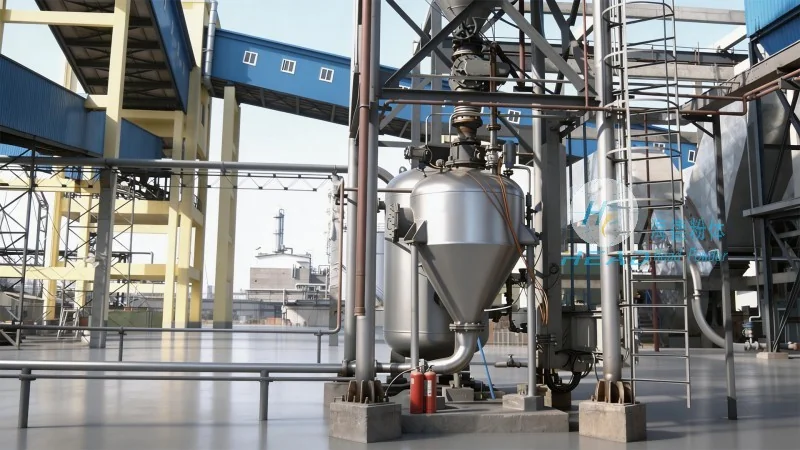
Several key aspects must be addressed during the design phase of a caustic soda pneumatic conveying system. First, the selection of the appropriate conveying method—such as dilute-phase or dense-phase—is critical. Dilute-phase systems use low-pressure air to transport material, while dense-phase systems employ higher pressure to achieve more controlled and gentle material handling. For caustic soda, which can be abrasive and corrosive, dense-phase systems are often preferred as they reduce material degradation and equipment wear. Second, the choice of materials for system components, including pipes, valves, and pumps, is paramount. Materials like stainless steel, PTFE-coated components, or specialized alloys are commonly used to resist corrosion and chemical attack. Third, the system's layout and integration with existing infrastructure must be carefully planned to ensure smooth material flow and minimize dead zones where material can accumulate and degrade. Fourth, safety features, including explosion-proof designs, dust collection systems, and emergency shut-off mechanisms, are essential to protect personnel and equipment from the hazards associated with caustic soda.
System Components and Their Roles
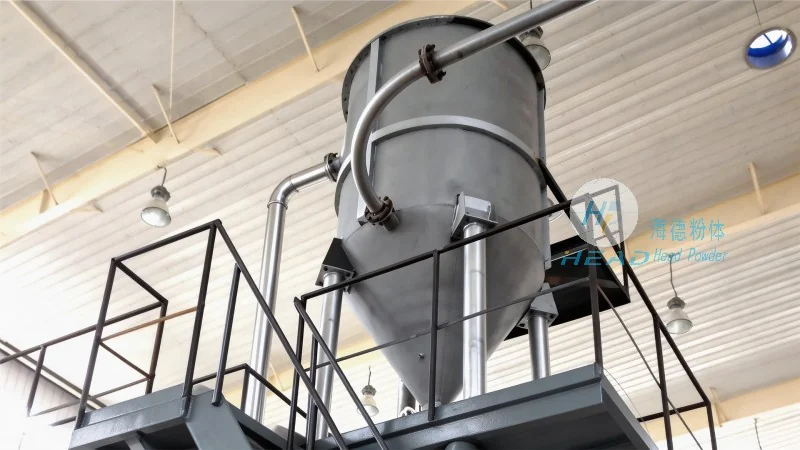
A caustic soda pneumatic conveying system typically consists of several key components, each playing a vital role in the overall operation. The feed hopper is responsible for storing and feeding the caustic soda into the system, ensuring a consistent flow rate. The conveyor itself, which may include a series of pipes and bends, transports the material from the hopper to the discharge point. The air compressor or blower provides the necessary air pressure to move the material through the system. The control system monitors and regulates the flow of material and air, ensuring optimal performance and preventing overloading or underloading. Additionally, the system may include filters and cyclones to separate the material from the air stream, preventing dust contamination and ensuring compliance with environmental regulations.
Maintenance and Operational Best Practices
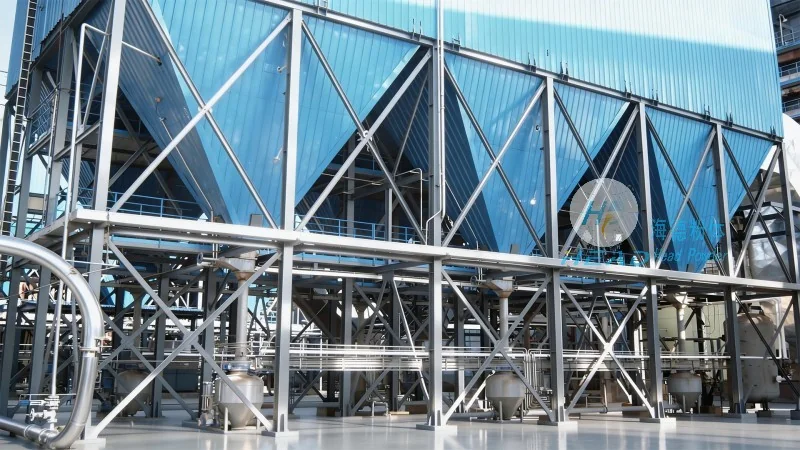
Proper maintenance is crucial for the long-term performance and safety of a caustic soda pneumatic conveying system. Regular inspections of components, such as pipes, valves, and seals, are necessary to detect and address any signs of wear or corrosion. Cleaning the system regularly, especially after handling different materials or after periods of inactivity, helps prevent material buildup and ensures smooth operation. Training operators on proper system operation and emergency procedures is also essential to minimize risks and ensure quick response in case of incidents. By following these best practices, companies can extend the lifespan of their equipment, reduce maintenance costs, and maintain a safe working environment.
Conclusion
Designing an effective caustic soda pneumatic conveying system requires a comprehensive understanding of the chemical properties of caustic soda and the principles of pneumatic conveying. Shandong HeadPowder Engineering Co., Ltd. leverages its expertise to provide tailored solutions that meet the specific needs of clients, ensuring efficient, safe, and reliable material handling. By adhering to key design considerations and implementing proper maintenance practices, industries can enhance their operational efficiency and protect their workforce from the hazards associated with caustic soda handling.