

Design Considerations for ABS Particle Pneumatic Conveying System Solutions
Shandong HeadPowder Engineering Co., Ltd., commonly known as headpowder, is a professional engineering firm based in Shandong, China. The company specializes in the design, development, and implementation of advanced pneumatic conveying systems, particularly for handling materials like ABS particles. With a focus on precision engineering and customer-centric solutions, headpowder has established itself as a trusted partner in the material handling industry.
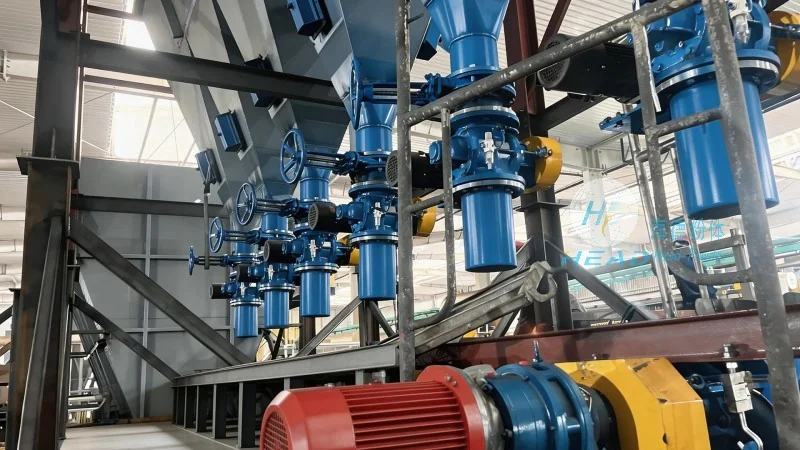
Importance of System Design in ABS Particle Pneumatic Conveying
When dealing with ABS (Acrylonitrile Butadiene Styrene) particles, the design of a pneumatic conveying system is critical to ensure efficient, reliable, and cost-effective material transport. ABS is a widely used thermoplastic polymer, commonly employed in manufacturing various products such as automotive parts, consumer electronics, and industrial components. The unique properties of ABS, including its density, particle size distribution, and flow characteristics, necessitate a tailored approach to system design. A well-designed system not only optimizes the conveying process but also minimizes operational risks and maintenance costs.
Key Design Elements for ABS Particle Pneumatic Conveying Systems
The successful implementation of an ABS particle pneumatic conveying system relies on several key design elements. First, the selection of the appropriate conveying method—whether it’s a positive pressure, negative pressure, or mixed system—depends on factors like the required transport distance, the volume of material to be moved, and the environmental constraints of the application. For ABS particles, which typically have a relatively low density and can be prone to bridging or segregation, positive pressure systems are often preferred as they provide better control over material flow and reduce the risk of blockages.
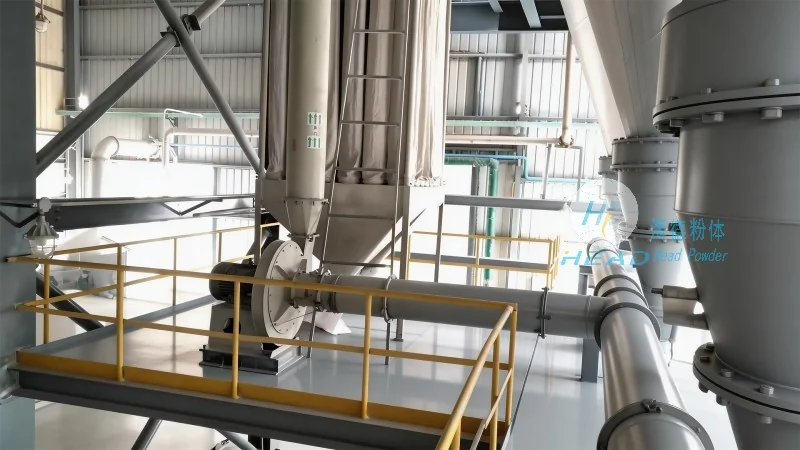
Second, the system pressure and air velocity are critical parameters that directly impact the conveying efficiency. Higher air velocities can increase the risk of particle degradation or equipment wear, while lower velocities may lead to insufficient transport capacity. Engineers must carefully calculate the optimal air velocity based on the particle size, density, and the desired conveying distance. For ABS particles, typical air velocities range from 20 to 30 meters per second, depending on the system configuration and the specific application requirements.
Third, the selection of equipment components, such as the feeders, ducts, and separation devices, is essential for system performance. Feeders, such as rotary valves or screw feeders, must be designed to handle the specific flow characteristics of ABS particles, ensuring a consistent and controlled material feed. The duct design, including the diameter, material, and bends, must minimize pressure losses and prevent particle accumulation. Separation devices, like cyclones or filters, are crucial for recovering the conveyed material and maintaining system cleanliness.
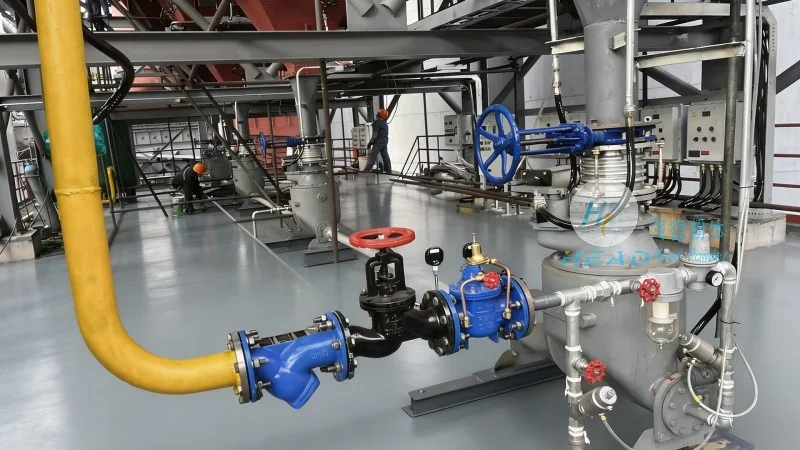
System Flow and Optimization Considerations
The overall system flow design involves integrating the material source, conveying path, and destination. For ABS particle applications, the system may include multiple stages, such as a primary conveying line to transport the material from the storage hopper to a processing unit, and a secondary line for returning air or cleaning the system. The design must account for the entire material handling process, from initial loading to final discharge, ensuring that each component works in harmony to achieve the desired outcome.
Optimization of the system involves continuous monitoring and adjustment of key parameters. This includes tracking air pressure, flow rates, and material throughput to identify any inefficiencies or potential issues. By using advanced control systems and sensors, engineers can dynamically adjust the system settings to maintain optimal performance. For example, if the system experiences a drop in pressure due to a blockage, the control system can automatically increase the air velocity or adjust the feeder speed to restore normal operation. This proactive approach minimizes downtime and ensures consistent material delivery.
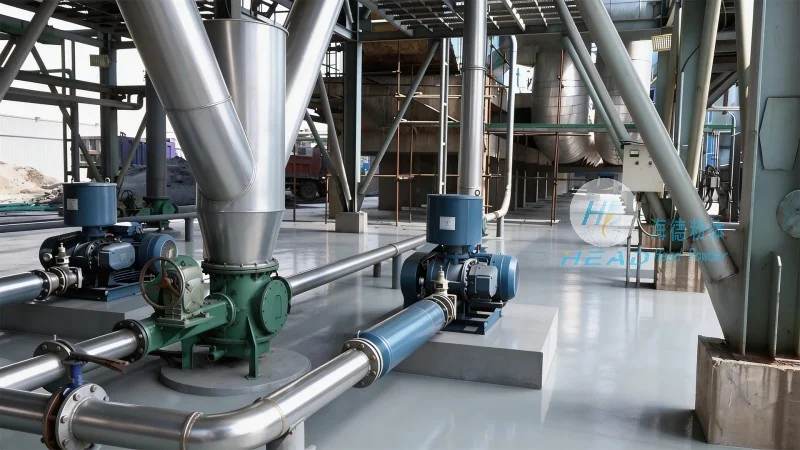
Advantages of a Well-Designed ABS Particle Pneumatic Conveying System
A properly designed ABS particle pneumatic conveying system offers several advantages over traditional methods, such as bucket elevators or belt conveyors. These systems are more flexible, as they can be easily reconfigured to accommodate changes in production volume or material type. They also provide a cleaner and more hygienic environment, which is particularly important for food or pharmaceutical applications where ABS may be used. Additionally, pneumatic conveying systems can reduce labor costs by automating the material handling process and minimizing the need for manual intervention.
In conclusion, the design of an ABS particle pneumatic conveying system requires a comprehensive understanding of the material properties, system requirements, and operational constraints. By focusing on key design elements such as conveying method, pressure and velocity, equipment selection, and system flow, engineers can develop a solution that meets the specific needs of the application. Shandong HeadPowder Engineering Co., Ltd. specializes in providing tailored pneumatic conveying solutions for ABS particles, leveraging its expertise to deliver efficient, reliable, and cost-effective systems for its clients in Shandong and beyond.