

Design Considerations for Pneumatic Conveying Systems of Masterbatch Pellets
For manufacturers dealing with masterbatch pellets, selecting and designing an efficient pneumatic conveying system is crucial to ensure smooth production processes and product quality. This article outlines key design considerations for such systems, focusing on the technical and practical aspects that contribute to optimal performance.
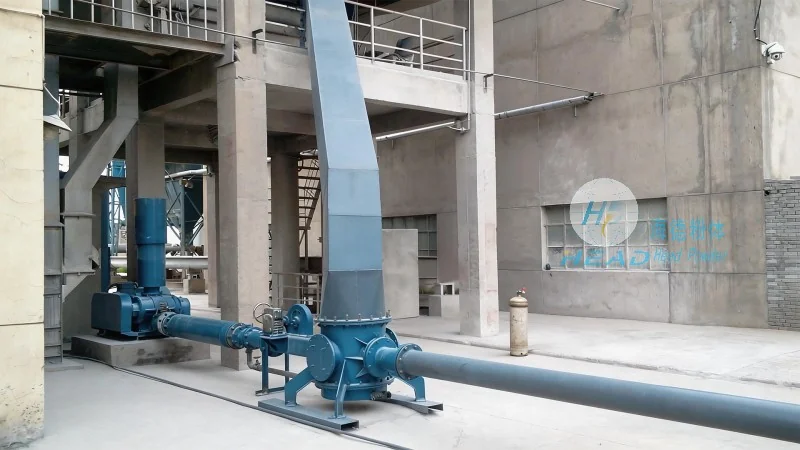
Understanding the Core Components of Pneumatic Conveying Systems
A pneumatic conveying system for masterbatch pellets typically consists of several critical components. These include the hopper or feeder, the conveying line (often with bends and elbows), the air supply system (blowers or compressors), and the discharge or collection equipment. Each component plays a vital role in the overall system's efficiency and reliability.
Key Design Considerations for System Performance
When designing a pneumatic conveying system for masterbatch pellets, several factors must be carefully evaluated to ensure the system meets operational requirements and maintains product integrity. These considerations include material properties, system pressure, conveying velocity, and the layout of the conveying line.
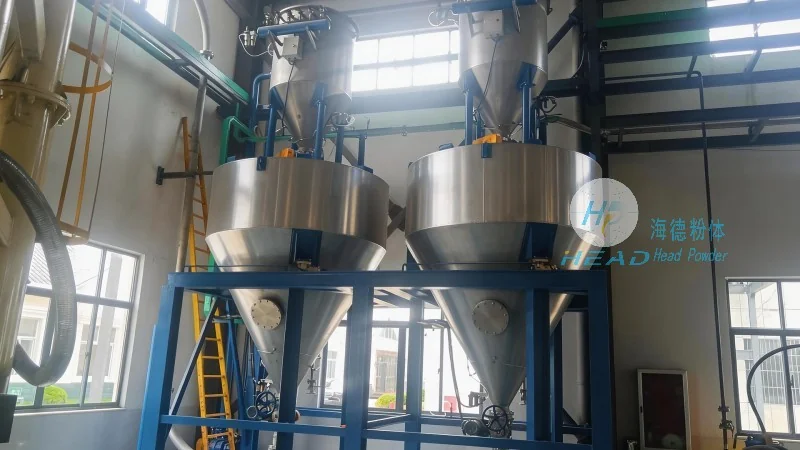
Material Properties and Their Impact on System Design
The physical and chemical properties of masterbatch pellets, such as particle size, density, moisture content, and abrasiveness, significantly influence the choice of conveying method and system design. For example, fine or cohesive pellets may require higher conveying velocities or specialized equipment to prevent blockages. Additionally, abrasive materials can lead to increased wear on system components, necessitating the use of durable materials like stainless steel or special coatings.
System Pressure and Conveying Velocity Selection
System pressure and conveying velocity are interrelated parameters that directly affect the system's capacity and energy consumption. Higher pressure and velocity can increase the conveying capacity but may also lead to higher energy costs and increased wear on equipment. Conversely, lower pressure and velocity may result in lower capacity or longer conveying distances. The optimal pressure and velocity must be determined based on the specific material characteristics and the required conveying distance.
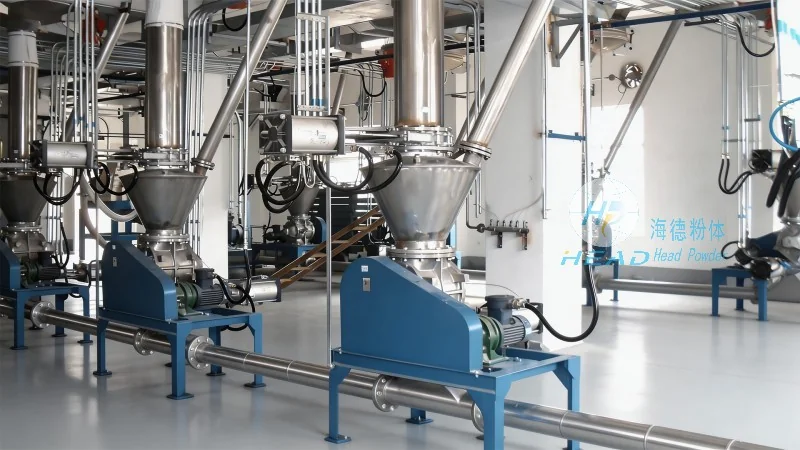
Conveying Line Layout and Component Selection
The layout of the conveying line, including the number and type of bends, elbows, and expansion joints, is critical for maintaining system efficiency and preventing material buildup. The selection of components like filters, cyclones, and silos also impacts the system's performance and maintenance requirements. For instance, cyclones are commonly used for separating air and material, while silos provide storage capacity for the conveyed pellets.
Integration with Production Processes and Automation
Modern pneumatic conveying systems are often integrated with production lines and automated for better control and efficiency. This integration allows for real-time monitoring of system performance, automatic adjustments to pressure and velocity, and reduced human intervention. Automation also enhances safety by minimizing exposure to dust and other hazards associated with material handling.
Maintenance and Operational Considerations
Regular maintenance is essential to ensure the long-term reliability and efficiency of a pneumatic conveying system. This includes routine checks of air supply systems, cleaning of filters and cyclones, and inspection of conveying lines for wear or blockages. Proper maintenance can extend the system's lifespan and reduce downtime, contributing to overall operational costs.
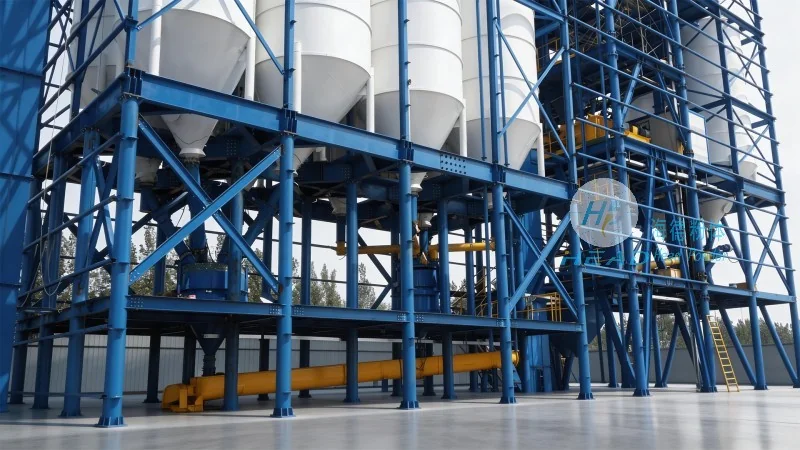
Case Study: Successful Implementation by Shandong HeadPowder Engineering Co., Ltd.
Shandong HeadPowder Engineering Co., Ltd., a leading provider of engineering solutions for material handling, has successfully implemented pneumatic conveying systems for masterbatch pellets in various industrial applications. By considering the specific material properties and operational requirements of each client, the company has designed systems that enhance production efficiency, reduce energy consumption, and maintain product quality. For example, one client reported a 20% increase in conveying capacity and a 15% reduction in energy costs after implementing a customized pneumatic conveying system designed by HeadPowder.
Conclusion: Optimizing Pneumatic Conveying Systems for Masterbatch Pellets
Designing an effective pneumatic conveying system for masterbatch pellets requires a comprehensive understanding of material properties, system components, and operational requirements. By carefully evaluating these factors and integrating appropriate technologies, manufacturers can achieve efficient and reliable material handling solutions. Shandong HeadPowder Engineering Co., Ltd. offers expert design and implementation services to help clients optimize their pneumatic conveying systems and improve overall production performance.