

Design Key Points for a Cement Dry Ash Pneumatic Conveying System
For industrial applications requiring efficient and reliable transport of cement dry ash, the design of a pneumatic conveying system is critical. This article outlines key considerations and design principles to ensure optimal performance, safety, and longevity of the system. The information is presented by Shandong HeadPowder Engineering Co., Ltd., a leading provider of engineering solutions for material handling systems in China.
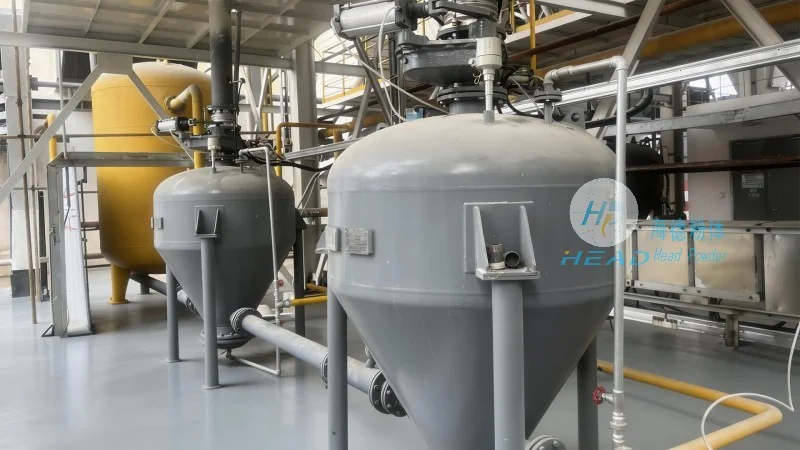
Understanding the Core Components of a Pneumatic Conveying System
A cement dry ash pneumatic conveying system typically consists of several interconnected components that work in harmony to move dry materials. The primary elements include a material feed hopper, a conveying pipeline, a pressure or vacuum source (blower or vacuum pump), and a receiver or discharge unit. Each component must be carefully selected and sized to meet the specific requirements of the application, such as material characteristics, distance of transport, and desired flow rate.
Material Characteristics and Their Impact on System Design
The properties of cement dry ash, including particle size distribution, bulk density, and moisture content, significantly influence the design of the pneumatic conveying system. For instance, fine particles may require higher air velocities to prevent clogging or deposition in the pipeline, while larger particles might necessitate larger diameter pipes or specialized equipment like rotary valves or feeders to ensure consistent flow. Additionally, moisture content can affect the material's flowability and the risk of blockages, making it essential to incorporate drying or moisture control measures if necessary.
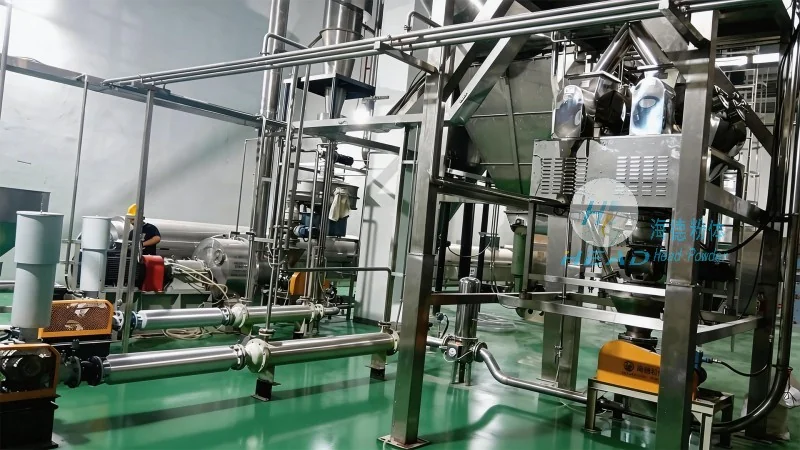
System Pressure and Air Velocity Considerations
Choosing the appropriate system pressure and air velocity is a critical design decision. High-pressure systems (typically above 7 bar) are suitable for long-distance or high-capacity transport, as they can maintain sufficient air flow to move materials through longer pipelines. Conversely, low-pressure or vacuum systems are often used for shorter distances or when the material is to be conveyed from a lower to a higher elevation. The air velocity must be high enough to prevent material settling but low enough to avoid excessive wear on the pipeline and equipment. Engineers often use empirical formulas or computational fluid dynamics (CFD) simulations to determine the optimal air velocity for a given material and system configuration.
Pipeline Sizing and Layout Optimization
The diameter and length of the conveying pipeline directly impact the system's efficiency and cost. Larger diameter pipes reduce friction losses and allow for higher material flow rates but increase material and installation costs. Conversely, smaller pipes are more economical but may require higher air velocities and increased energy consumption. The layout of the pipeline should be designed to minimize bends, vertical lifts, and horizontal turns, as these can cause pressure drops and increase the risk of material accumulation or blockages. Properly sized and positioned elbows, tees, and other fittings are essential to maintain smooth material flow and prevent wear on the pipeline.
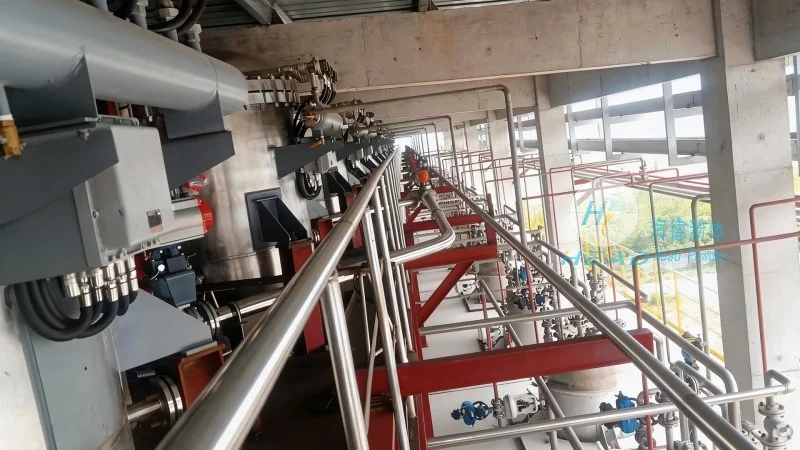
Material Feed and Discharge Equipment Selection
The feed and discharge equipment plays a vital role in the system's performance. Rotary valves, star feeders, or screw conveyors are commonly used to feed material into the pipeline, ensuring a consistent and controlled flow. These devices must be capable of handling the material's characteristics, such as particle size and moisture content, without causing blockages or material degradation. At the discharge end, the system may include a receiver, silo, or other storage vessel. The discharge equipment, such as a rotary valve or a pressure relief valve, must be designed to prevent backflow and ensure safe material release.
System Safety and Maintenance Considerations
Ensuring the safety of personnel and equipment is paramount in pneumatic conveying system design. Proper ventilation and explosion-proof designs are essential, especially when handling flammable or explosive materials. Additionally, the system should include safety features like pressure relief valves, emergency shut-off valves, and monitoring systems to detect and prevent potential hazards. Regular maintenance is also critical to the system's longevity and performance. This includes routine cleaning of the pipeline, inspection of equipment for wear and tear, and replacement of worn parts. Proper maintenance can significantly reduce downtime and operational costs.
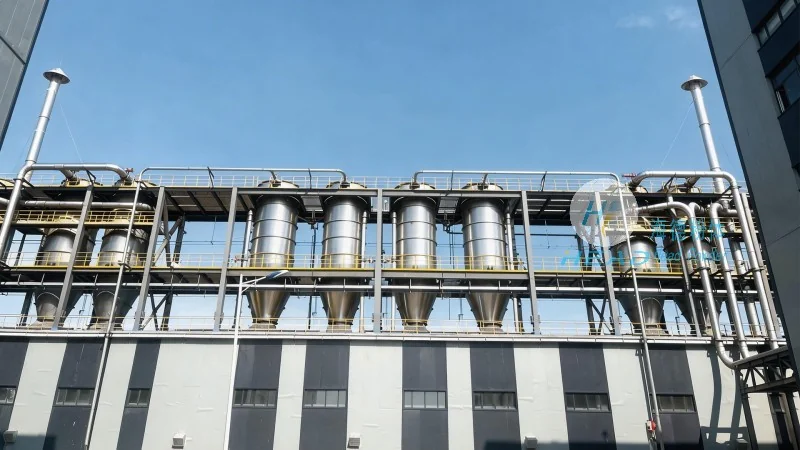
Case Study: Successful Implementation of a Cement Dry Ash Pneumatic Conveying System
Shandong HeadPowder Engineering Co., Ltd. has successfully implemented numerous cement dry ash pneumatic conveying systems for clients across China. One notable project involved the design and installation of a high-capacity system for a cement plant in Shandong, China. The system was designed to transport 50 tons of dry ash per hour over a distance of 500 meters. The engineers at HeadPowder carefully considered the material's particle size distribution and moisture content, selecting a high-pressure system with a 200 mm diameter pipeline and a blower capable of delivering 10 m³/s of air at 8 bar. The system has been in operation for over three years, achieving consistent material flow rates and minimal maintenance issues. This case study highlights the importance of thorough design and careful consideration of material characteristics in ensuring the success of a pneumatic conveying system.
Conclusion and Recommendations
Designing a cement dry ash pneumatic conveying system requires a comprehensive understanding of the material properties, system components, and operational requirements. By carefully considering factors such as material characteristics, system pressure, pipeline layout, and safety features, engineers can develop an efficient and reliable system that meets the specific needs of the application. Shandong HeadPowder Engineering Co., Ltd. offers expert design and engineering services to help clients achieve their material handling goals. Whether you are looking to upgrade an existing system or design a new one, our team of experienced engineers can provide tailored solutions to ensure optimal performance and longevity.