

Design Considerations for Cement Powder Pneumatic Conveying System Solutions
When designing a cement powder pneumatic conveying system, several critical factors must be carefully evaluated to ensure optimal performance, efficiency, and reliability. The system's design directly impacts its ability to handle the unique properties of cement powder, which includes its fine particle size (typically ranging from 10 to 100 microns), high bulk density (around 1,200 to 1,500 kg/m³), and tendency to agglomerate or cake under certain conditions. A well-planned solution from a specialized engineering firm like Shandong HeadPowder Engineering Co., Ltd. addresses these challenges through comprehensive system analysis and tailored component selection, ensuring the system operates smoothly and meets the specific needs of the industrial application.
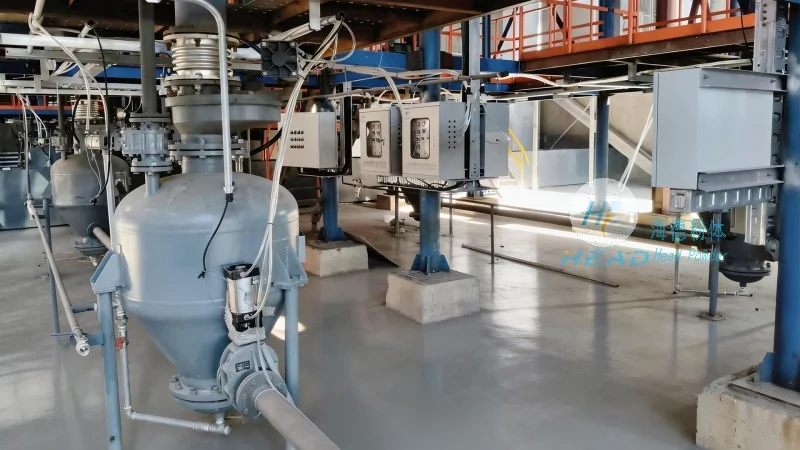
Key Design Considerations for Cement Powder Pneumatic Conveying
The success of a cement powder pneumatic conveying system hinges on addressing specific material characteristics and operational requirements. Shandong HeadPowder Engineering Co., Ltd. emphasizes the importance of understanding the cement's flowability, moisture content (often below 1% for dry cement), and particle size distribution. These parameters influence the choice of conveying method—whether it's a pressure system (using positive pressure to push material through pipelines) or a vacuum system (using negative pressure to pull material)—and the selection of appropriate equipment such as rotary valves, airlocks, and cyclone separators. Proper material handling is crucial to prevent blockages, which can lead to system downtime and increased maintenance costs. The design must also account for the system's conveying distance, as longer distances may require higher pressure or additional booster units to maintain material flow.
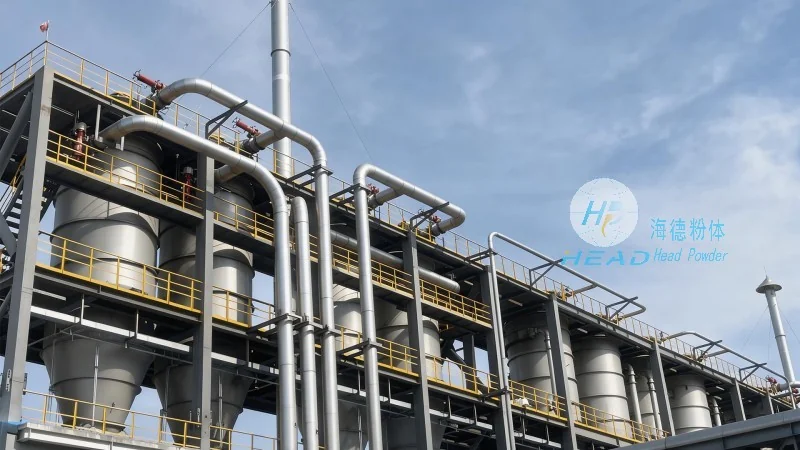
System Components and Their Roles
Each component in a cement powder pneumatic conveying system plays a vital role in ensuring smooth operation. The rotary valve, for instance, is the primary device for feeding material into the system, controlling the flow rate and preventing backflow. It is typically designed with a sealing mechanism to avoid material leakage and is available in various types (e.g., star, butterfly, or slide valves) depending on the material's properties. Airlocks are used to isolate the system and maintain consistent pressure, preventing the entry of ambient air or the escape of material particles. Cyclone separators efficiently separate the conveyed material from the air stream by utilizing centrifugal force, with the separated cement collected in a hopper for further use. The choice of these components depends on the system's pressure requirements (e.g., low, medium, or high pressure), material properties, and the desired conveying distance. Shandong HeadPowder Engineering Co., Ltd. leverages its expertise to select components that are not only suitable for cement powder but also durable and easy to maintain, minimizing long-term operational costs.
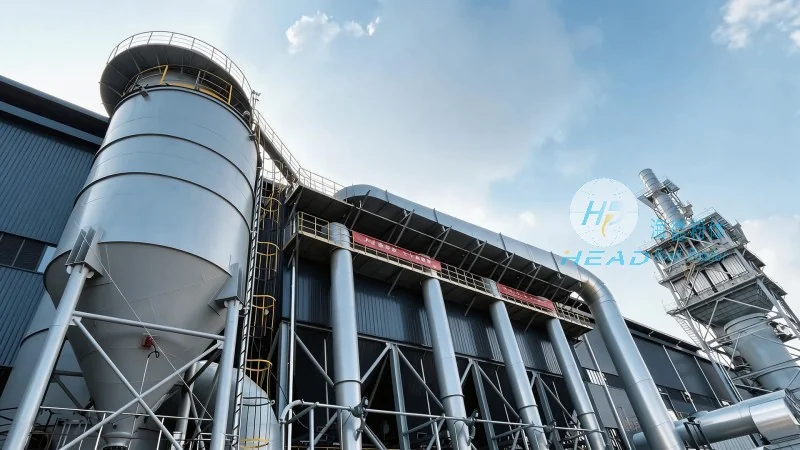
Material Handling and Flow Control
Effective flow control is essential to prevent issues like caking or overloading in the conveying system. The design must account for the cement's tendency to agglomerate, especially when exposed to moisture or high temperatures. Shandong HeadPowder Engineering Co., Ltd. incorporates features such as temperature control (e.g., using heated pipelines or air preheaters) and anti-caking additives into the system design to mitigate these risks. Additionally, the system's pressure and velocity settings are optimized to maintain a consistent flow rate, reducing the likelihood of blockages and ensuring reliable material transport. Proper flow control also minimizes energy consumption, contributing to cost savings over the system's lifecycle. For example, maintaining an optimal air-to-material ratio (typically 0.5 to 1.5 m³ of air per kg of cement) ensures efficient conveying while preventing excessive air usage. The engineering firm also considers the impact of material moisture on the system's performance, as higher moisture content can increase the risk of caking and require additional drying measures.
System Integration and Scalability
For industrial applications, the ability to integrate the cement powder pneumatic conveying system with existing infrastructure is a key consideration. Shandong HeadPowder Engineering Co., Ltd. designs systems that can be easily integrated with other processing equipment, such as storage silos, mixers, or packaging units. This integration ensures seamless material transfer and enhances overall operational efficiency. For instance, the system can be connected to a silo to feed a mixer or to a packaging line to deliver cement to bags or bulk containers. Moreover, the system's scalability allows for future expansion, accommodating increased production demands without requiring a complete overhaul. The engineering firm's approach focuses on long-term viability, ensuring the system can adapt to evolving operational needs while maintaining performance standards. This includes designing modular components that can be added or removed as production requirements change, providing flexibility for industrial clients.
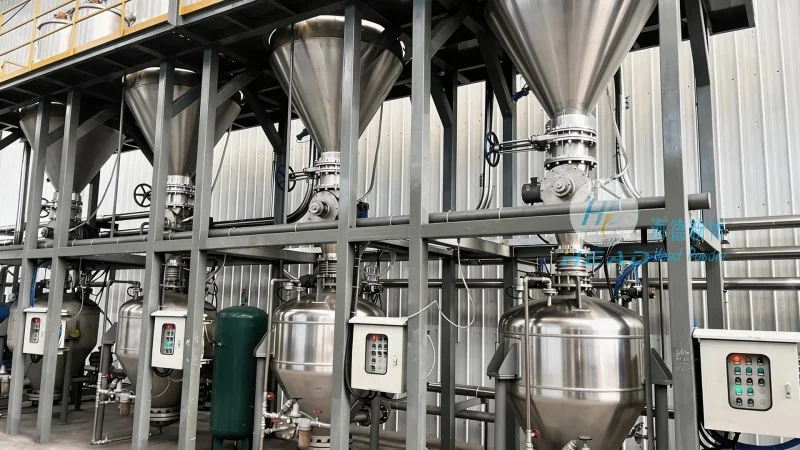
Maintenance and Operational Efficiency
Regular maintenance is critical to the longevity and efficiency of a cement powder pneumatic conveying system. Shandong HeadPowder Engineering Co., Ltd. recommends routine inspections of components like rotary valves and cyclone separators to identify and address potential issues early. The system's design incorporates easy access points for maintenance, reducing downtime and maintenance costs. For example, rotary valves may have removable covers or quick-release mechanisms to allow for cleaning or replacement of wear parts. Additionally, the use of high-quality materials and robust construction ensures the system can withstand the harsh conditions associated with cement handling, such as abrasive particles and high temperatures. By prioritizing maintenance and operational efficiency, the system delivers consistent performance and maximizes the return on investment for industrial clients. The engineering firm also provides maintenance services and spare parts support to ensure the system remains operational and meets performance expectations over its lifespan.