

Design Considerations for Magnesium Oxide Powder Pneumatic Conveying System
HeadPowder, a leading engineering firm based in Shandong, China, specializes in the design and implementation of advanced pneumatic conveying systems for magnesium oxide powder. This article outlines key design considerations for such systems, ensuring efficient, reliable, and cost-effective material handling solutions.
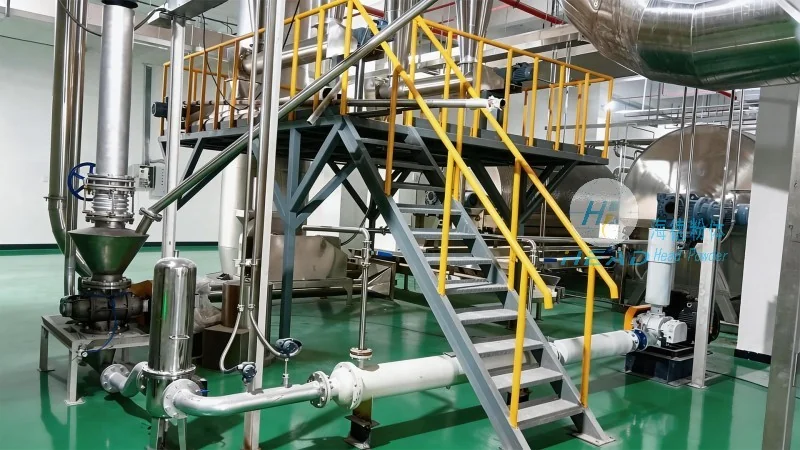
Key Design Considerations for Magnesium Oxide Powder Pneumatic Conveying Systems
Magnesium oxide (MgO) powder is widely used in various industrial applications, including refractory materials, pharmaceuticals, and chemical processing. The efficient and safe transport of this fine powder is crucial for maintaining production efficiency and product quality. Pneumatic conveying systems offer a solution by using air to move the material through a pipeline network. However, the unique properties of magnesium oxide powder—such as its high reactivity, fine particle size, and potential for static charge—require specialized design approaches to prevent blockages, degradation, and safety hazards.
Core Components of the Pneumatic Conveying System
The core components of a magnesium oxide powder pneumatic conveying system typically include a material feeder, a conveying line, a separator, and a dust collection system. The material feeder must be designed to handle the specific flow characteristics of MgO powder, ensuring consistent and controlled discharge into the conveying line. This often involves using rotary valves or screw feeders that can accommodate the powder's tendency to agglomerate or create static charge.
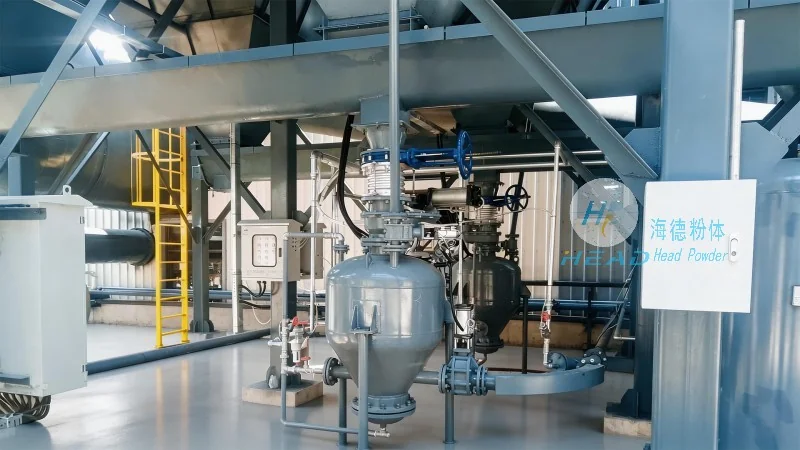
Critical Design Factors for System Performance
Several critical design factors must be considered to optimize the performance of a magnesium oxide pneumatic conveying system. First, the air velocity and pressure must be carefully selected to match the powder's particle size and density. High air velocities can cause excessive wear on the system components and increase energy consumption, while low velocities may lead to blockages or material degradation. Engineers typically use the "critical velocity" concept to determine the minimum air speed required to prevent particle settling in the pipeline.
Second, the system's material of construction is paramount due to magnesium oxide's chemical reactivity. The conveying line, feeder, and other components must be made from corrosion-resistant materials, such as stainless steel or specialized alloys, to prevent chemical reactions that could degrade the system or contaminate the powder. Additionally, the system should be designed to minimize the buildup of static charge, which can cause sparks and pose fire hazards. This is often achieved through grounding and using anti-static materials in the construction.
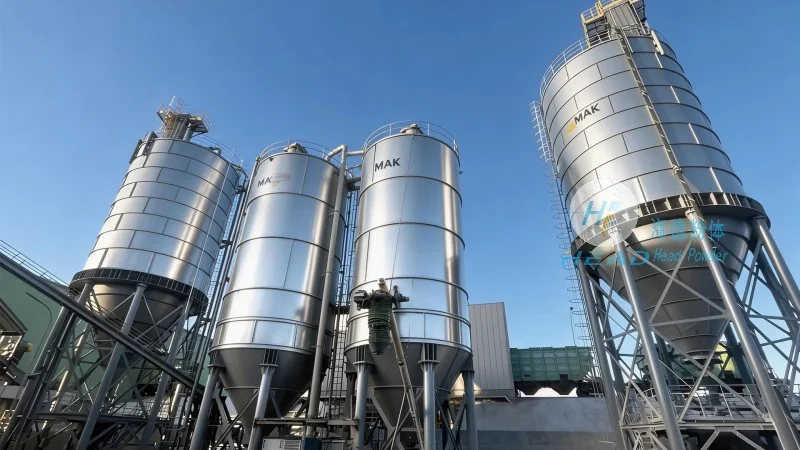
System Layout and Pipeline Design
The layout of the conveying system is another key design consideration. The pipeline should be designed to minimize bends and changes in direction, as these can cause particle accumulation and blockages. Vertical sections of the pipeline require sufficient air velocity to prevent the powder from settling, while horizontal sections must be sloped slightly to facilitate flow. The use of smooth, non-porous pipe surfaces is also essential to reduce friction and prevent material buildup.
Advanced Control Systems and Monitoring
Advanced control systems are often integrated into magnesium oxide pneumatic conveying systems to monitor and adjust key parameters in real time. These systems may include sensors to measure air pressure, flow rate, and powder level, as well as automated controls to adjust feeder speed or air pressure as needed. This helps maintain consistent material flow and prevents system overloads or underflows.
Applications in Industrial Settings
Magnesium oxide powder pneumatic conveying systems are widely used in industries where fine powder handling is critical. For example, in the refractory industry, these systems are used to transport MgO powder to production lines for the manufacturing of high-temperature refractory bricks. In pharmaceutical applications, the systems ensure that the powder is handled in a sterile and controlled environment, minimizing contamination risks. Chemical processing facilities also rely on these systems to transport MgO powder for use in various chemical reactions and processes.
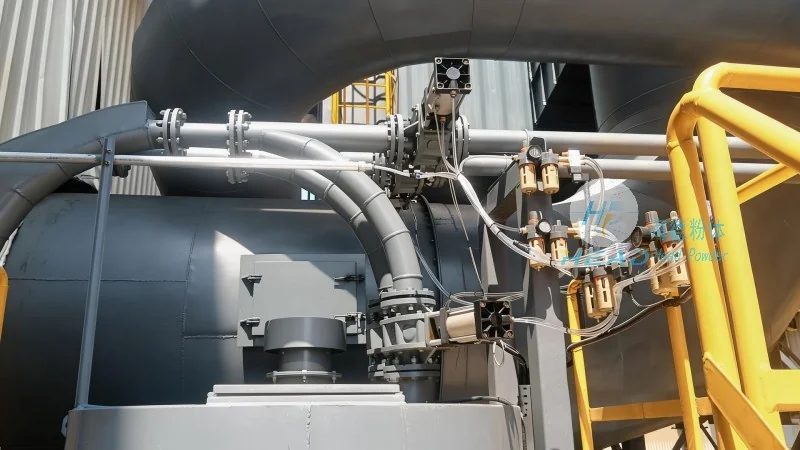
Maintenance and Long-Term Reliability
Regular maintenance is essential to ensure the long-term performance and reliability of a magnesium oxide powder pneumatic conveying system. This includes cleaning the conveying line and components to remove accumulated powder, inspecting for wear and corrosion, and checking the performance of the control systems. Proper maintenance can extend the system's lifespan and reduce downtime, ultimately improving overall operational efficiency.
Conclusion
The design of a magnesium oxide powder pneumatic conveying system requires a comprehensive understanding of the material's properties and the system's components. By carefully considering factors such as air velocity, material of construction, system layout, and control systems, engineers can develop a solution that meets the specific needs of the application. HeadPowder, with its expertise in material handling and pneumatic conveying, provides tailored solutions that ensure efficient, safe, and reliable transport of magnesium oxide powder for its clients in China and beyond.