

Design of a Limestone Pneumatic Conveying System
When it comes to the efficient and reliable transportation of limestone in industrial applications, the design of a pneumatic conveying system plays a crucial role. This system is engineered to handle the material's characteristics, ensuring optimal performance and minimal operational disruptions. The following content provides an in-depth look at the key aspects of designing such a system, with a focus on the expertise of Shandong HeadPowder Engineering Co., Ltd., a leading provider in the field.
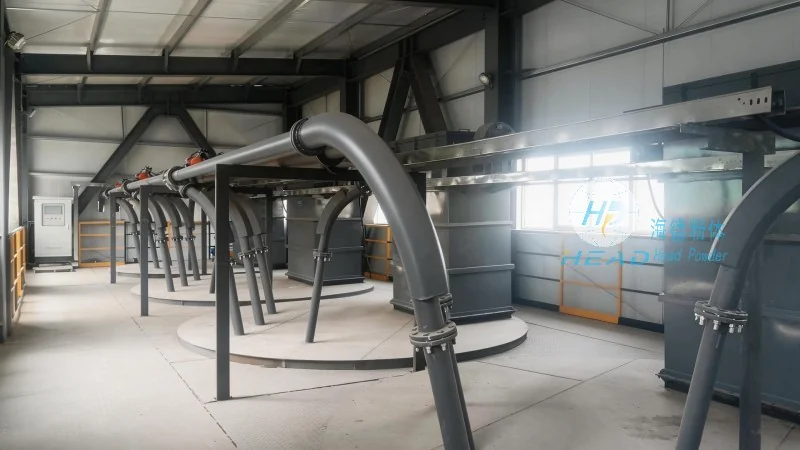
Company Background and Expertise
HeadPowder, the professional brand under Shandong HeadPowder Engineering Co., Ltd., specializes in the development and implementation of advanced material handling solutions. With a strong presence in China, particularly in Shandong, the company leverages years of experience and technical knowledge to deliver customized pneumatic conveying systems tailored to specific industrial needs. The company's commitment to quality and innovation has established it as a trusted partner for businesses seeking efficient material transport solutions.
Key Design Considerations for Limestone Pneumatic Conveying
The design of a limestone pneumatic conveying system involves several critical factors that directly impact its performance and longevity. First, the material's physical properties, such as particle size, density, and moisture content, must be carefully analyzed. Limestone, being a common bulk material, requires a system that can handle its specific characteristics without causing blockages or degradation. The system design must also consider the required conveying distance, flow rate, and pressure levels to ensure the material is transported efficiently and safely.
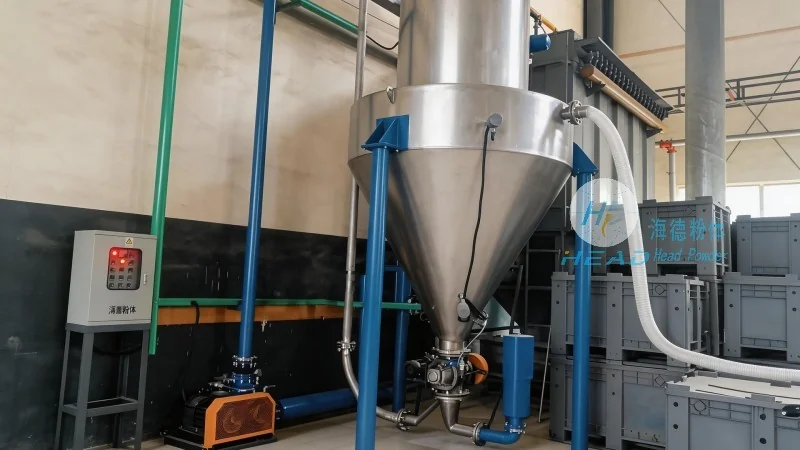
Another important aspect is the selection of the appropriate conveying method. For limestone, a positive pressure system is often preferred as it offers better control over the material flow and reduces the risk of dust emissions. The system typically includes components like a feeder, a blower or compressor, a pipeline network, and a receiver. Each component is carefully selected and integrated to create a seamless operation, minimizing energy consumption and maximizing material throughput.
System Components and Their Functions
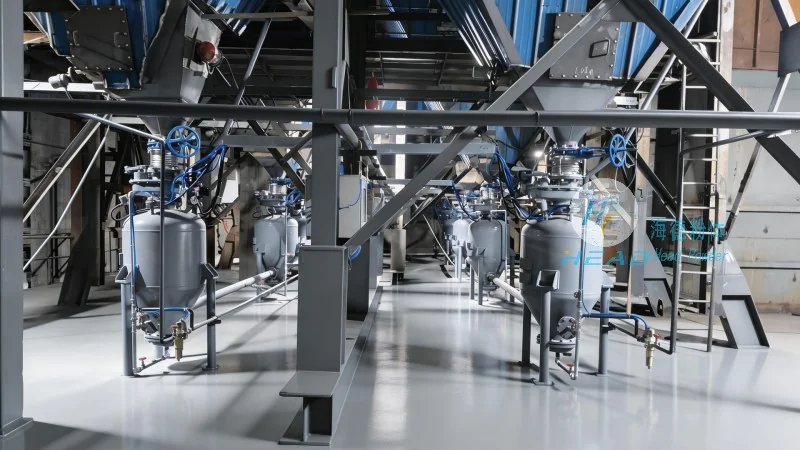
The limestone pneumatic conveying system consists of several key components, each playing a vital role in the overall operation. The feeder is responsible for feeding the limestone into the system at a consistent rate, ensuring a steady flow of material. This component must be designed to handle the material's characteristics, preventing clogging and maintaining uniform feed. The blower or compressor provides the necessary air pressure to move the material through the pipeline. The choice between a blower and a compressor depends on factors such as the conveying distance and the required pressure. The pipeline network connects the feeder to the receiver, with proper sizing and layout to minimize pressure losses and ensure efficient material transport. The receiver is where the limestone is deposited, and it must be designed to handle the material's characteristics, preventing spillage and ensuring easy access for downstream processes.
Application Scenarios and Benefits
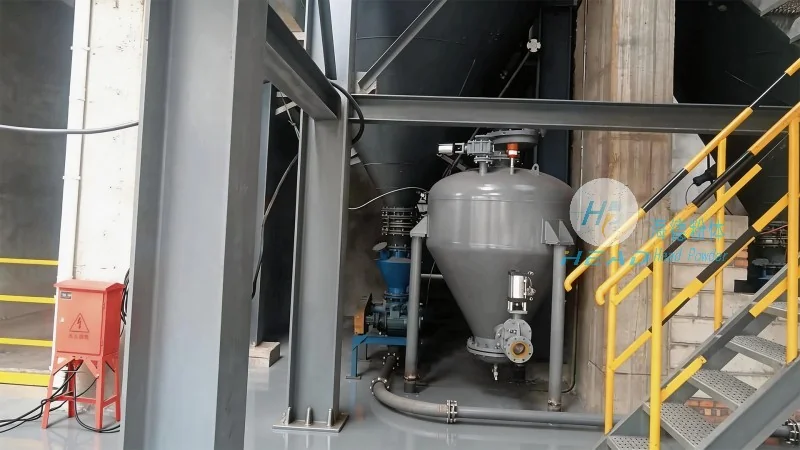
Limestone pneumatic conveying systems are widely used in various industrial applications, including cement production, chemical processing, and mining operations. In cement plants, for example, limestone is a primary raw material that needs to be transported from storage to the production line. The pneumatic conveying system provides an efficient and dust-free method of transport, reducing the need for manual handling and improving overall plant safety. The benefits of using such a system include increased productivity, reduced labor costs, and improved environmental performance due to lower dust emissions. Additionally, the system's flexibility allows for easy integration with existing production lines, minimizing downtime during installation and operation.
Customization and After-Sales Support
At Shandong HeadPowder Engineering Co., Ltd., the design of a limestone pneumatic conveying system is highly customizable to meet the specific requirements of each client. The company works closely with customers to understand their operational needs and provide tailored solutions. This includes selecting the appropriate system components, optimizing the conveying parameters, and ensuring compliance with industry standards. After the system is installed, the company provides comprehensive after-sales support, including maintenance services, spare parts supply, and technical assistance. This ensures that the system operates at peak performance and provides long-term value to the customer.