

Design Considerations for the Pneumatic Conveying System of Precipitated Barium Sulfate
For industrial applications requiring the efficient and reliable transport of precipitated barium sulfate, the design of a pneumatic conveying system is a critical factor in ensuring operational success. This article outlines key considerations and best practices for developing an effective system, focusing on the technical and practical aspects that contribute to optimal performance.
System Overview and Core Components
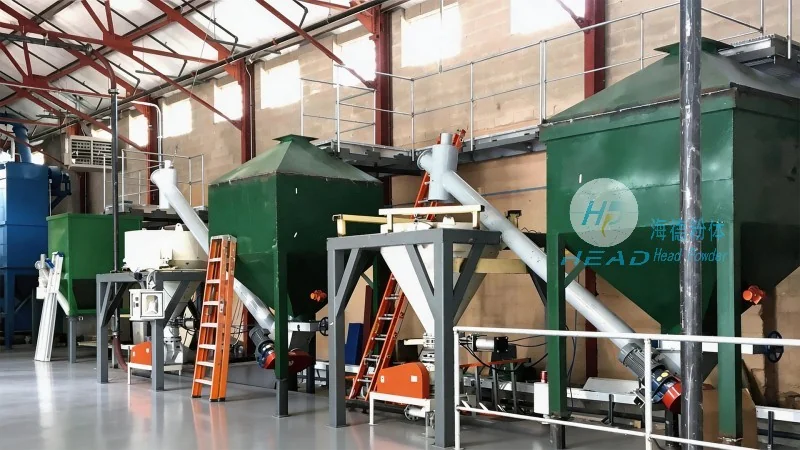
The pneumatic conveying system for precipitated barium sulfate typically consists of several interconnected components, each playing a vital role in the material handling process. These components include a feed hopper, a conveying line (often equipped with a venturi or rotary valve), a receiver, and a dust collection system. The feed hopper is responsible for storing and metering the material, ensuring a consistent flow into the conveying line. The conveying line, which may use either positive or negative pressure, transports the material from the source to the destination. The venturi or rotary valve regulates the flow rate and pressure within the system, while the receiver collects the material at the end of the line. A dust collection system is essential to maintain air quality and comply with environmental regulations.
Material Characteristics and Their Impact on System Design
Precipitated barium sulfate is a fine, powdery material with specific physical properties that influence the design of the pneumatic conveying system. Key characteristics include particle size distribution, bulk density, and moisture content. The particle size is typically in the range of 1-100 microns, which can affect the system's pressure drop and flow rate. Bulk density, often around 2.5-3.0 g/cm³, determines the volume of material that can be conveyed per unit of air flow. Moisture content, usually low (below 1%), minimizes the risk of caking or agglomeration, but still requires careful control to prevent blockages. Understanding these characteristics is crucial for selecting the appropriate conveying velocity, pressure, and equipment size.
Conveying Velocity and Pressure Selection
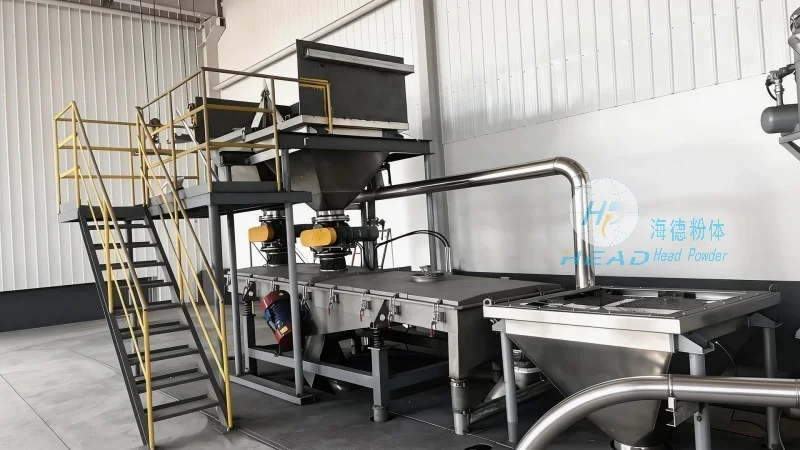
Choosing the correct conveying velocity and pressure is fundamental to the system's efficiency and longevity. The conveying velocity, measured in meters per second, must be high enough to prevent material settling in the line but low enough to avoid excessive wear on components. For precipitated barium sulfate, a typical conveying velocity ranges from 20 to 30 m/s in positive pressure systems, while negative pressure systems may use velocities between 10 to 15 m/s. The pressure selection depends on the system's layout, distance, and the need to overcome friction losses and elevation changes. Positive pressure systems generally operate at higher pressures (up to 10 bar) and are suitable for short to medium distances, while negative pressure systems are used for longer distances or when material is being drawn from a higher elevation.
Equipment Selection and Material Handling Challenges
The selection of equipment such as feeders, valves, and filters is critical to the system's performance. Feeders, including screw feeders or rotary valves, must handle the material's flow characteristics without causing blockages or excessive wear. Rotary valves are particularly effective for fine powders as they provide a controlled, continuous flow. The conveying line itself, often made of stainless steel or plastic, must be resistant to corrosion and abrasion from the barium sulfate particles. Filters and dust collectors are essential to remove fine particles from the air stream, protecting downstream equipment and ensuring compliance with environmental standards. Material handling challenges, such as the potential for caking or agglomeration, require additional measures like temperature control or the use of anti-caking agents to maintain material flowability.
System Integration and Control Strategies
Integrating the pneumatic conveying system with other industrial processes requires careful consideration of control strategies. Automated control systems, using sensors and controllers, can monitor and adjust parameters such as pressure, flow rate, and temperature in real-time. This ensures the system operates within optimal conditions and responds to changes in material feed or process demands. The integration of safety features, such as pressure relief valves and emergency shut-off systems, is also essential to prevent accidents and protect personnel and equipment. Proper system integration and control not only enhance efficiency but also contribute to the overall reliability and safety of the operation.
Environmental and Regulatory Compliance
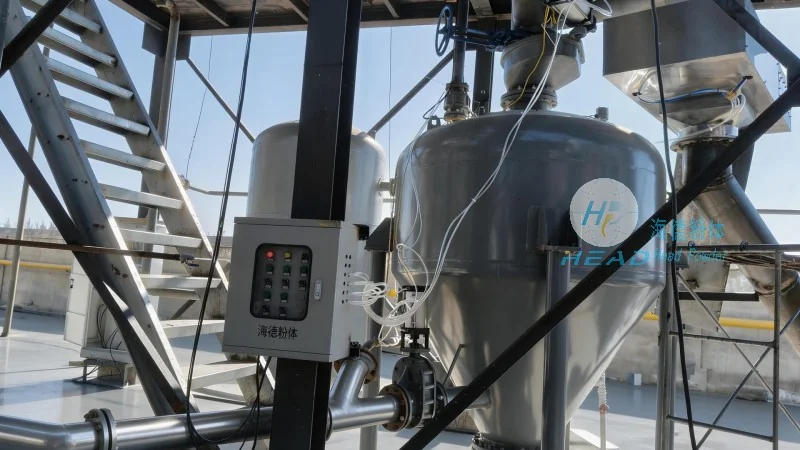
Designing a pneumatic conveying system for precipitated barium sulfate must also address environmental and regulatory compliance. The dust collection system must be capable of capturing fine particles to meet air quality standards. The system's design should minimize energy consumption and reduce operational costs while ensuring compliance with local and national regulations. Regular maintenance and inspection of the system are necessary to maintain performance and comply with environmental requirements. By adhering to these guidelines, the system can operate efficiently while minimizing its environmental impact.
Case Study: Successful Implementation by Shandong HeadPowder Engineering Co., Ltd.
Shandong HeadPowder Engineering Co., Ltd., a leading provider of material handling solutions, has successfully implemented pneumatic conveying systems for precipitated barium sulfate in various industrial applications. One notable project involved the design and installation of a positive pressure system for a chemical plant in China. The system was tailored to handle the specific characteristics of the barium sulfate, including its fine particle size and bulk density. By carefully selecting the conveying velocity and pressure, the system achieved high efficiency with minimal wear on components. The integration of a dust collection system ensured compliance with environmental regulations, and the automated control system maintained consistent performance. This case study highlights the importance of considering all design factors and the expertise required to develop an effective solution.