

Desulfurizer Pneumatic Conveying System Design
Shandong HeadPowder Engineering Co., Ltd., commonly known as headpowder, specializes in the design and implementation of advanced pneumatic conveying systems for desulfurizer materials. Based in Shandong, China, the company leverages decades of industry experience to deliver customized solutions that meet the stringent requirements of modern industrial applications. This article provides a detailed overview of the design principles, key components, and operational advantages of a typical desulfurizer pneumatic conveying system, highlighting how such systems enhance efficiency and reliability in material handling processes.
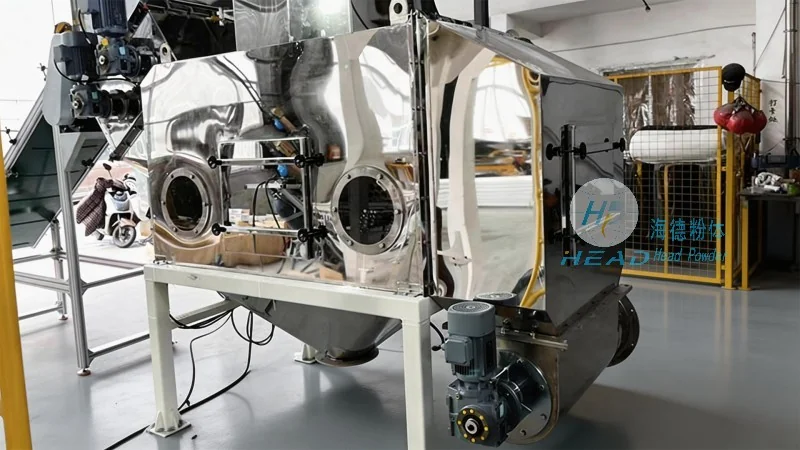
System Overview and Core Components
The desulfurizer pneumatic conveying system is engineered to transport bulk desulfurizer powders from storage silos or processing units to the injection points in power plants or other industrial facilities. The system typically comprises several critical components, including a hopper with a feeder, a conveying line (often equipped with pulse-jet filters for dust control), a control panel, and a receiver for the material at the destination. Each component is selected to ensure optimal performance, durability, and compliance with safety and environmental regulations. The hopper and feeder work in tandem to maintain a consistent material flow, while the conveying line uses compressed air to move the desulfurizer particles through the system. The pulse-jet filter system is a key feature, as it efficiently captures and reclaims fine particles, minimizing emissions and ensuring clean operation.
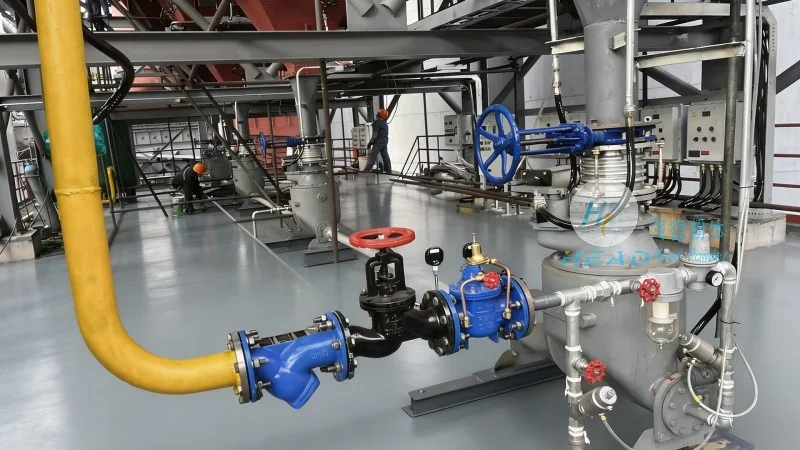
Design Considerations for Optimal Performance
When designing a desulfurizer pneumatic conveying system, several factors must be carefully considered to ensure the system operates at peak efficiency. First, the material characteristics of the desulfurizer, such as its particle size, density, and flowability, are critical. These properties dictate the type of feeder (e.g., rotary valve or screw feeder) and the air velocity required for effective transport. For example, cohesive or fine powders may require higher air velocities or specialized hopper designs to prevent blockages. Second, the system's layout and the distance between the source and destination points influence the choice of conveying line diameter and the number of bends or fittings. Proper sizing of the conveying line is essential to maintain sufficient air pressure and prevent pressure drops that could lead to material deposition or system inefficiencies. Third, safety and environmental considerations are paramount. The system must comply with local regulations regarding dust emissions and explosion prevention, often incorporating features like explosion-proof motors, flame arrestors, and continuous monitoring of pressure and temperature.
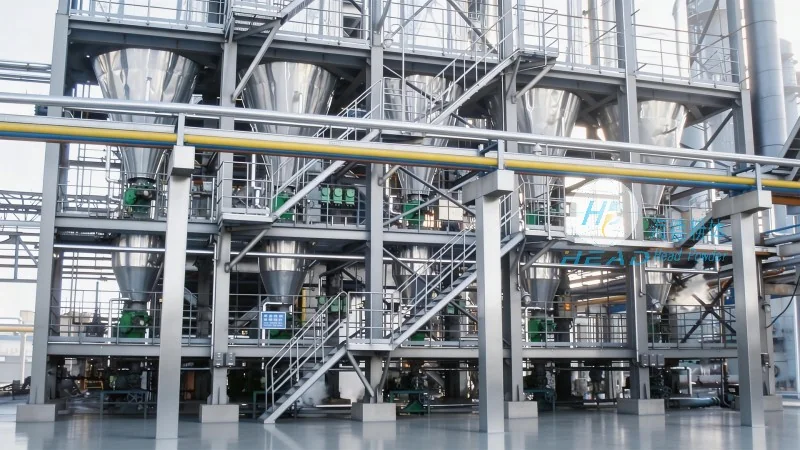
Operational Advantages and Benefits
Implementing a well-designed desulfurizer pneumatic conveying system offers numerous advantages for industrial operations. One of the primary benefits is the significant reduction in labor costs associated with manual handling of bulk materials. By automating the transport process, the system minimizes the need for manual loading and unloading, which not only saves time but also reduces the risk of workplace injuries. Additionally, the system enhances process reliability by ensuring a consistent and controlled flow of desulfurizer to the injection point, which is crucial for maintaining optimal performance in flue gas desulfurization (FGD) systems. This consistency leads to improved efficiency in the FGD process and reduced downtime due to material-related issues. Another key advantage is the improved safety and environmental performance. The pulse-jet filter system effectively captures dust, preventing it from being released into the environment and reducing the risk of respiratory hazards for workers. Furthermore, the system's enclosed design minimizes the exposure of personnel to the material, enhancing overall workplace safety.
Customization and Integration with Existing Systems
headpowder recognizes that each industrial facility has unique requirements, and therefore, offers customized solutions tailored to specific applications. The company works closely with clients to understand their operational needs, including the volume of material to be transported, the distance between locations, and any existing infrastructure that may need to be integrated. Customization may involve adjusting the size of the hopper and feeder, modifying the conveying line layout, or incorporating additional features such as automatic control systems or real-time monitoring. Integration with existing systems, such as FGD units or material handling networks, is also a key service offered by headpowder. The company's engineers ensure that the new system seamlessly connects with the existing infrastructure, minimizing disruptions to the production process and ensuring smooth operation from day one. This level of customization and integration is what sets headpowder apart, as it allows clients to achieve their specific goals while maintaining operational efficiency and safety.
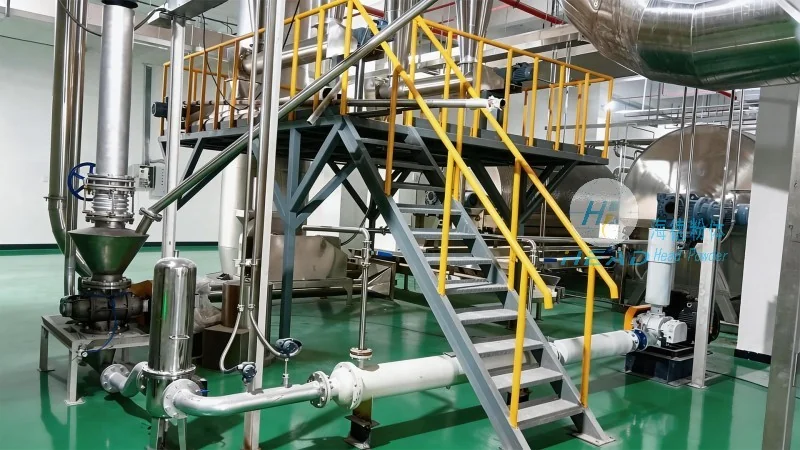
Maintenance and Long-Term Reliability
Ensuring the long-term reliability of a desulfurizer pneumatic conveying system requires regular maintenance and proper operational practices. headpowder provides comprehensive maintenance services to help clients maximize the lifespan of their equipment. Regular maintenance tasks include cleaning the pulse-jet filter system, inspecting and replacing worn components (such as seals and bearings), and checking the performance of the feeder and control panel. The company also offers training programs for facility personnel to ensure they understand how to operate and maintain the system effectively. By following a proactive maintenance schedule, clients can prevent costly breakdowns and extend the operational life of their equipment. The robust design of headpowder's systems, combined with regular maintenance, ensures that the desulfurizer is transported reliably and efficiently over many years, providing a solid return on investment for industrial facilities.