

Design of Pneumatic Conveying System for Lithium-Ion Battery Cathode Materials
HeadPowder, a leading engineering firm based in Shandong, China, specializes in the design and implementation of advanced pneumatic conveying systems tailored for the handling of lithium-ion battery cathode materials. This article provides a detailed overview of the system design approach, technical considerations, and practical applications that ensure efficient, safe, and reliable material transport in the battery manufacturing industry.
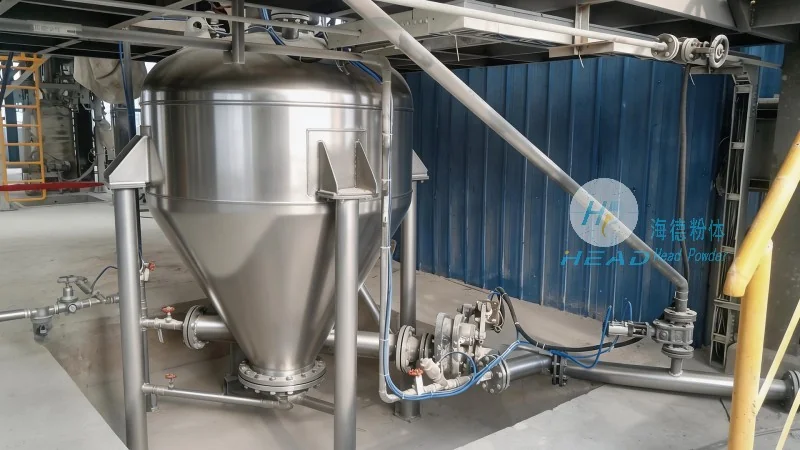
System Design Principles for Lithium-Ion Battery Cathode Materials
The design of a pneumatic conveying system for lithium-ion battery cathode materials requires careful consideration of several critical factors to ensure optimal performance and safety. Cathode materials, such as lithium cobalt oxide (LiCoO₂), lithium nickel manganese cobalt oxide (NMC), and lithium iron phosphate (LFP), are often fine powders with specific physical and chemical properties. These properties, including particle size, moisture content, and reactivity, directly impact the choice of conveying technology and system components. The primary design objectives include maintaining material integrity, minimizing dust generation, controlling temperature, and ensuring compliance with industry safety standards.
Key Components and Technologies in the Pneumatic Conveying System
HeadPowder's pneumatic conveying system for lithium-ion battery cathode materials incorporates a range of advanced components and technologies to address the unique challenges of handling these materials. The system typically consists of a material feed hopper, a rotary airlock valve for controlled material discharge, a high-pressure air compressor, and a conveying pipeline network. The rotary airlock valve is crucial for preventing backflow and maintaining a consistent material flow rate, which is essential for preventing agglomeration and maintaining particle integrity. The air compressor provides the necessary pressure to move the material through the pipeline, with options for positive pressure or negative pressure (vacuum) systems depending on the specific application requirements.
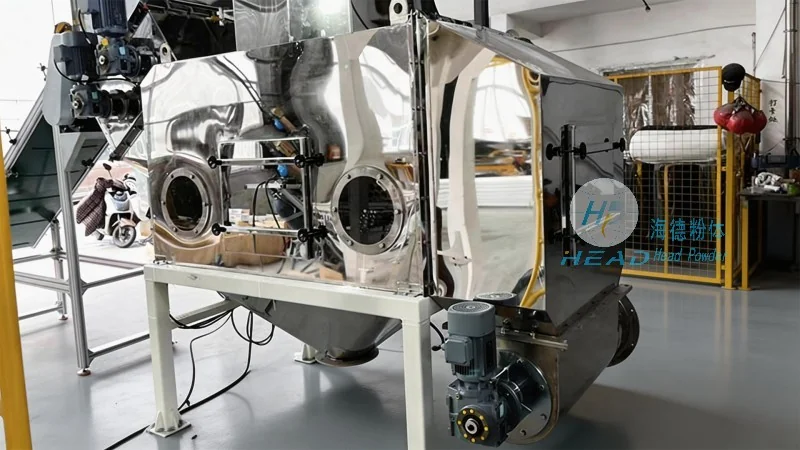
Advantages of Pneumatic Conveying for Cathode Material Handling
Compared to traditional mechanical conveying methods, pneumatic conveying offers several advantages for handling lithium-ion battery cathode materials. One of the most significant benefits is the ability to transport materials in a closed system, which minimizes dust exposure and reduces the risk of contamination. This is particularly important for cathode materials, which can be hazardous if inhaled or come into contact with moisture. Additionally, pneumatic systems allow for precise control over material flow rates and pressure, enabling better process control and reducing the risk of material degradation. The closed system also helps maintain consistent material temperature, which is critical for preventing premature reactions or changes in material properties.
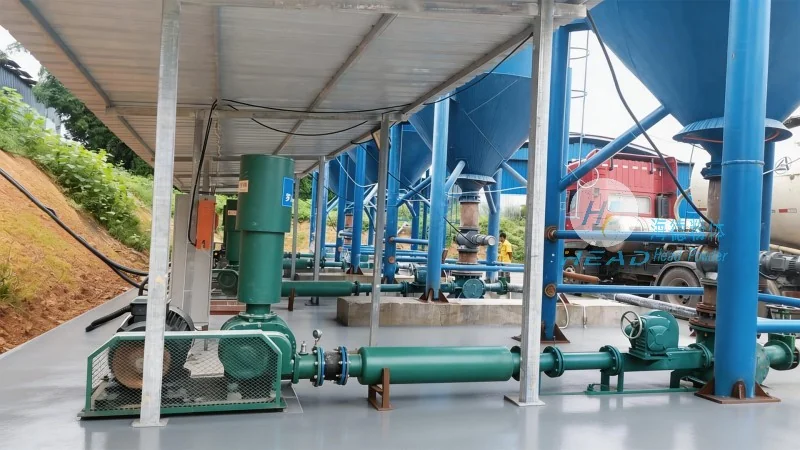
Customization and Scalability of the System
HeadPowder understands that each battery manufacturing facility has unique requirements, and our pneumatic conveying systems are designed to be highly customizable and scalable. Whether a facility requires a small-scale system for laboratory testing or a large-scale system for high-volume production, our engineering team can tailor the system to meet specific throughput, material type, and space constraints. The system can be integrated with existing production lines or designed as a standalone unit, depending on the client's needs. Our team also provides comprehensive support, including system installation, commissioning, and ongoing maintenance services to ensure the system operates at peak efficiency throughout its lifecycle.
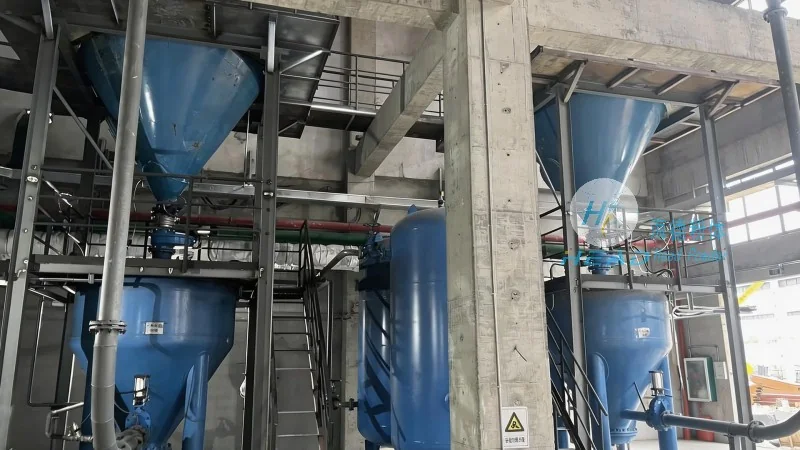
Safety and Compliance Considerations
Ensuring the safety of personnel and compliance with industry regulations is a top priority in the design of our pneumatic conveying systems. The system incorporates multiple safety features, including explosion-proof air compressors, dust collection systems, and emergency shut-off valves. These features are designed to prevent the accumulation of dust and reduce the risk of fire or explosion, which are common hazards in material handling operations. Additionally, the system is designed to comply with local and international safety standards, such as those set by the International Electrotechnical Commission (IEC) and the National Fire Protection Association (NFPA). HeadPowder's commitment to safety is further reinforced by our rigorous testing and validation processes, which ensure that the system meets all required safety criteria before deployment.
Conclusion
HeadPowder's pneumatic conveying system for lithium-ion battery cathode materials represents a sophisticated solution that addresses the complex challenges of material handling in the battery manufacturing industry. By combining advanced engineering principles with state-of-the-art technologies, our system ensures efficient, safe, and reliable transport of cathode materials, supporting the production of high-quality lithium-ion batteries. With our headquarters in Shandong, China, and a commitment to innovation and customer satisfaction, HeadPowder remains a trusted partner for businesses seeking to optimize their cathode material handling processes.