

Design of a Dry Desulfurizer Pneumatic Conveying System
Shandong HeadPowder Engineering Co., Ltd., a leading enterprise in the field of industrial powder processing and conveying systems, specializes in the design and implementation of advanced pneumatic conveying solutions. This article focuses on the design of a dry desulfurizer pneumatic conveying system, highlighting the technical considerations, operational efficiency, and practical applications of such systems in industrial settings.
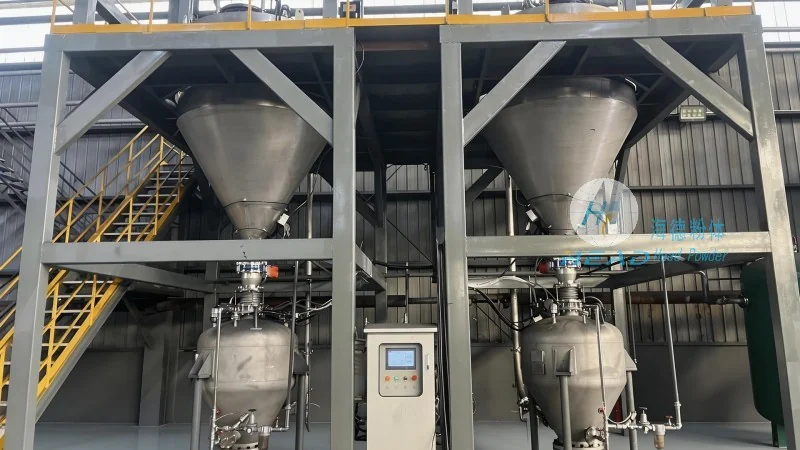
Company Overview and Expertise
HeadPowder, as a professional manufacturer and supplier, has established itself as a trusted partner for clients seeking reliable and efficient solutions for powder handling. With a strong foundation in engineering and a commitment to innovation, the company leverages decades of experience to develop customized pneumatic conveying systems tailored to specific industrial needs. The company's headquarters is located in Shandong, China, where its team of skilled engineers and technicians work diligently to ensure the highest standards of quality and performance in every project.
System Design Principles
The design of a dry desulfurizer pneumatic conveying system involves a comprehensive approach that considers various factors such as material properties, system capacity, and operational requirements. The system typically includes key components like a desulfurizer, a pneumatic conveying pipeline, a dust collection unit, and a control system. Each component is carefully selected and integrated to ensure seamless operation and optimal performance. The design process begins with a thorough analysis of the desulfurizer material, including its particle size distribution, moisture content, and flow characteristics. This analysis helps in determining the appropriate conveying velocity, pressure, and system configuration to achieve efficient material transport without degradation or loss.
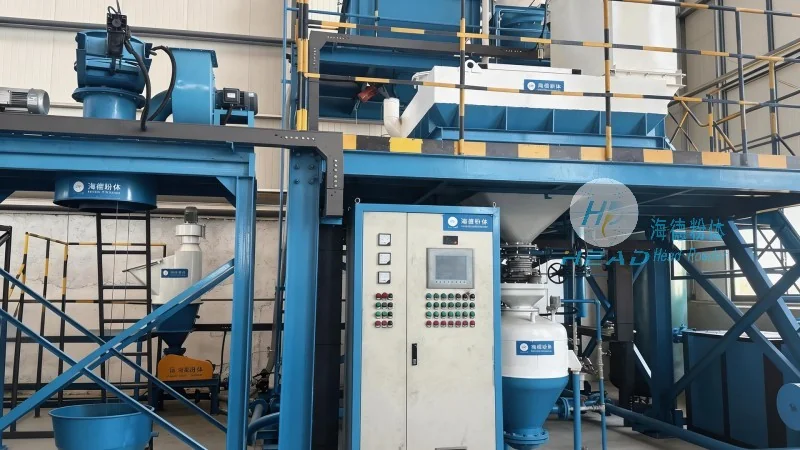
Key Technical Features
One of the primary advantages of a dry desulfurizer pneumatic conveying system is its ability to handle fine powders with high efficiency and minimal material degradation. The system utilizes positive or negative pressure conveying methods, depending on the specific application requirements. Positive pressure systems are commonly used for long-distance or high-capacity conveying, where air is forced through the pipeline to move the material. Negative pressure systems, on the other hand, are suitable for applications requiring dust control and environmental compliance. The system also incorporates features like automatic control and monitoring to ensure stable operation and prevent system failures. Additionally, the design incorporates safety measures to protect operators and equipment from potential hazards, such as pressure surges or material blockages.
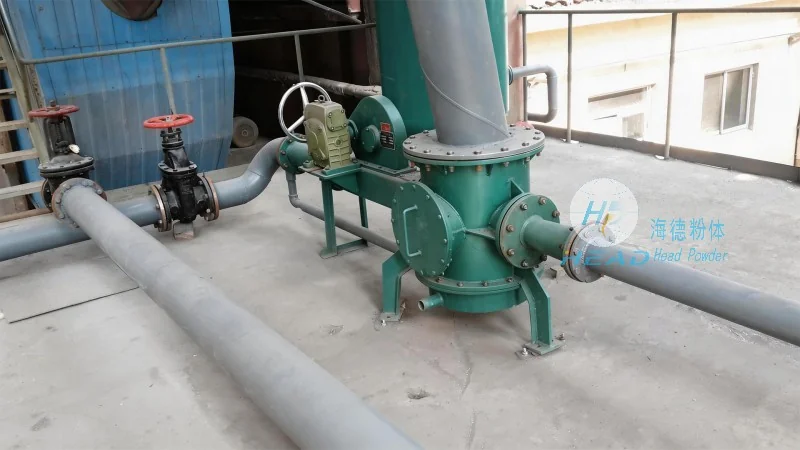
Operational Efficiency and Performance
The dry desulfurizer pneumatic conveying system is engineered to deliver high operational efficiency, with low energy consumption and minimal maintenance requirements. The system's performance is evaluated based on key metrics such as conveying capacity, pressure drop, and material recovery rate. Through careful design and optimization, the system achieves high material throughput while maintaining low energy costs. The use of advanced materials and components ensures long service life and reduced downtime, contributing to overall operational cost savings. Furthermore, the system's modular design allows for easy expansion or modification to accommodate changing production needs, providing flexibility and adaptability for industrial clients.
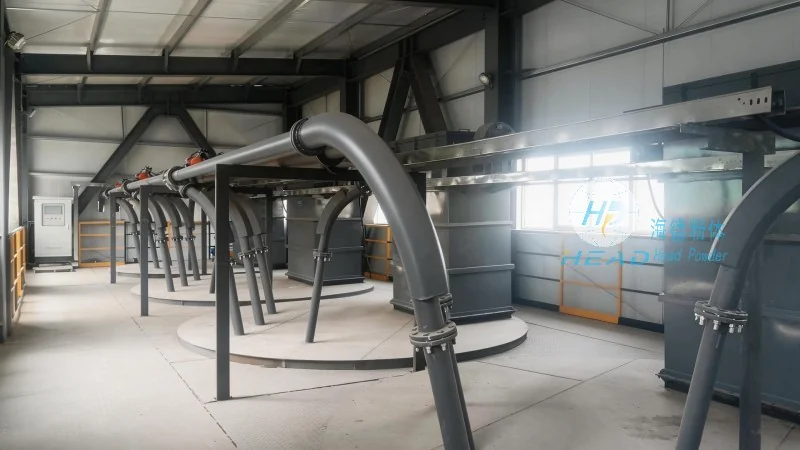
Applications and Industry Impact
The dry desulfurizer pneumatic conveying system finds wide applications in various industrial sectors, including power generation, chemical processing, and environmental treatment. In power plants, the system is used to transport desulfurizer powders from storage to the reaction tower, ensuring consistent and efficient operation of flue gas desulfurization (FGD) processes. In chemical plants, the system facilitates the handling of various powders, such as catalysts and reagents, enhancing production efficiency and safety. The system's ability to handle fine powders with minimal loss and degradation makes it an ideal solution for industries where material quality is critical. By improving the efficiency of desulfurization processes, the system contributes to reduced emissions and environmental compliance, aligning with global sustainability goals.
Conclusion
Shandong HeadPowder Engineering Co., Ltd. offers a comprehensive solution for the design and implementation of dry desulfurizer pneumatic conveying systems. Through its expertise in industrial powder processing and conveying technology, the company provides customized systems that meet the specific needs of clients. The system's advanced design, operational efficiency, and reliability make it a preferred choice for industries seeking to optimize their desulfurization processes. With a strong commitment to quality and innovation, HeadPowder continues to deliver high-performance solutions that enhance operational efficiency and contribute to environmental sustainability.