

Design of a Lithium Hexafluorophosphate Pneumatic Conveying System
HeadPowder, a leading engineering firm based in Shandong, China, specializes in the design and implementation of advanced material handling systems. This article focuses on the design of a lithium hexafluorophosphate pneumatic conveying system, highlighting key components, operational principles, and the technical advantages of such a system for the lithium battery industry.
Introduction to Lithium Hexafluorophosphate and Pneumatic Conveying
Lithium hexafluorophosphate (LiPF₆) is a critical electrolyte component used in lithium-ion batteries, playing a vital role in enhancing battery performance and stability. The efficient and safe handling of this material is essential for manufacturers to maintain production quality and safety standards. Pneumatic conveying systems offer a non-contact, low-maintenance solution for transporting fine powders like LiPF₆, minimizing product contamination and ensuring consistent flow rates.
Key Components of the Pneumatic Conveying System
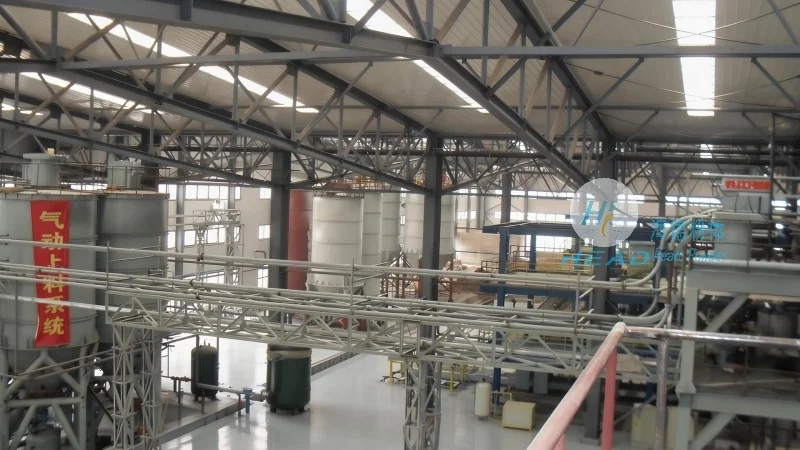
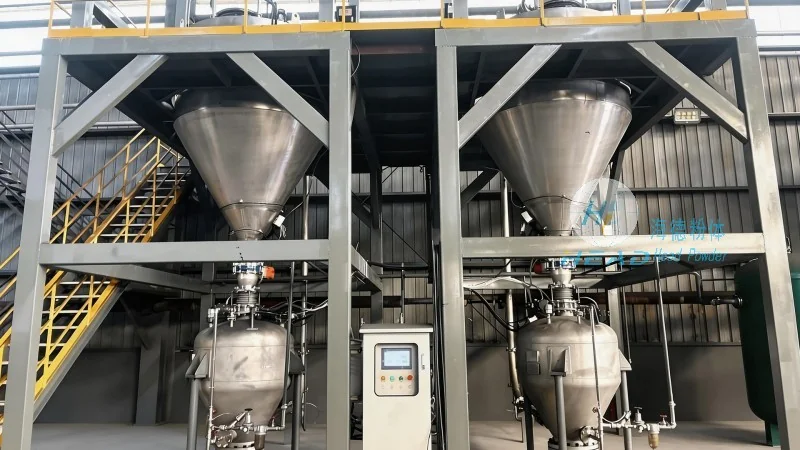
The lithium hexafluorophosphate pneumatic conveying system designed by HeadPowder Engineering Co., Ltd. incorporates several core components to ensure reliable operation. These include a hopper for material storage, a rotary airlock valve to control material discharge, a venturi or pressure vessel for conveying, and a filter system to capture fine particles and maintain air quality. The system is equipped with a blower or compressor to generate the necessary air pressure for material transport, and a control panel to monitor and adjust operational parameters.
System Design and Operational Principles
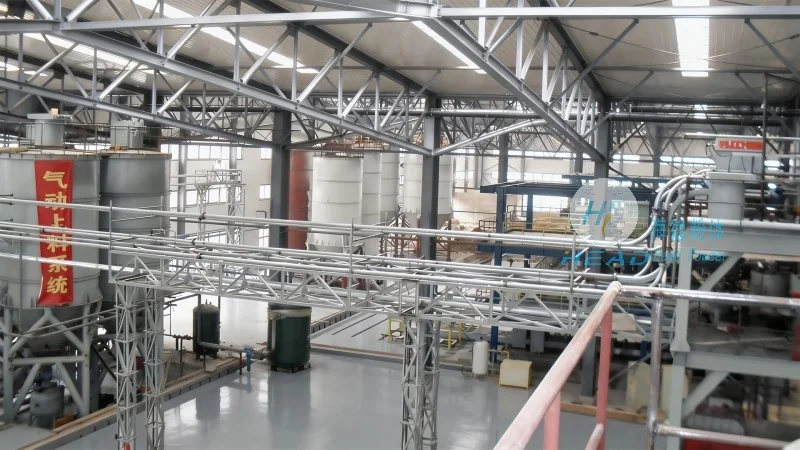
The system operates on the principle of air-assisted material transport, where compressed air is used to create a low-pressure zone that draws the powder from the hopper into the conveying line. The design ensures that the air-to-material ratio is optimized to prevent material degradation and ensure efficient transport. The use of a venturi or pressure vessel allows for both dilute-phase and dense-phase conveying, providing flexibility in handling different material characteristics and production requirements.
Technical Advantages and Safety Features
HeadPowder's pneumatic conveying system for lithium hexafluorophosphate offers several technical advantages. The non-contact design minimizes product contamination, which is crucial for maintaining the purity of the electrolyte. The system also reduces labor costs by automating material handling processes and improving production efficiency. Safety features include explosion-proof blower units, dust collection systems, and emergency shut-off valves to prevent accidents and ensure compliance with industrial safety regulations.
Customization and Integration with Production Lines
HeadPowder Engineering Co., Ltd. provides customized solutions tailored to the specific needs of each client. The system can be integrated with existing production lines, and modifications can be made to accommodate varying production volumes and material specifications. The company's engineering team works closely with clients to design a system that meets their operational requirements while adhering to industry standards and safety guidelines.
Conclusion
The lithium hexafluorophosphate pneumatic conveying system designed by HeadPowder Engineering Co., Ltd. represents a sophisticated solution for the efficient and safe handling of a critical battery material. By leveraging advanced engineering principles and high-quality components, the system ensures reliable operation, maintains product purity, and enhances overall production efficiency. HeadPowder's expertise in material handling systems positions them as a trusted partner for manufacturers seeking to optimize their lithium battery production processes.