

Design Calculation and Equipment Selection for PUR Pneumatic Conveying Systems
When it comes to the efficient and reliable transport of polyurethane (PUR) materials, the design calculation and equipment selection of pneumatic conveying systems play a crucial role. Proper system design ensures optimal performance, minimal downtime, and cost-effectiveness for industrial applications. This article explores the key aspects of designing and selecting equipment for PUR pneumatic conveying systems, highlighting the expertise of Shandong HeadPowder Engineering Co., Ltd., a leading provider in the field.
Understanding the Importance of System Design for PUR Pneumatic Conveying
PUR materials, such as granules or powders, often require specialized handling due to their physical properties. Pneumatic conveying systems offer a flexible and efficient solution for transporting these materials over short or long distances. However, the success of such systems depends heavily on accurate design calculations and appropriate equipment selection. A well-designed system can enhance material flow, reduce wear and tear on components, and improve overall operational efficiency.
Key Design Calculations for PUR Pneumatic Conveying Systems
Before selecting equipment, several critical calculations must be performed to ensure the system meets operational requirements. These calculations include determining the required air flow rate, pressure drop across the system, and the power consumption of the system. The air flow rate is calculated based on the material's bulk density, particle size, and the desired conveying velocity. The pressure drop is determined by considering the length of the pipeline, the number of bends, and the type of material being conveyed. These calculations help in selecting the appropriate blower or fan, as well as the size and material of the conveying pipes.
Equipment Selection for PUR Pneumatic Conveying
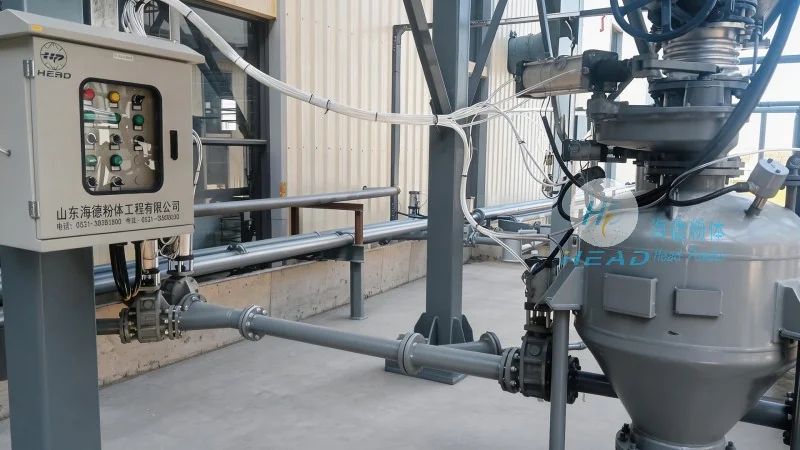
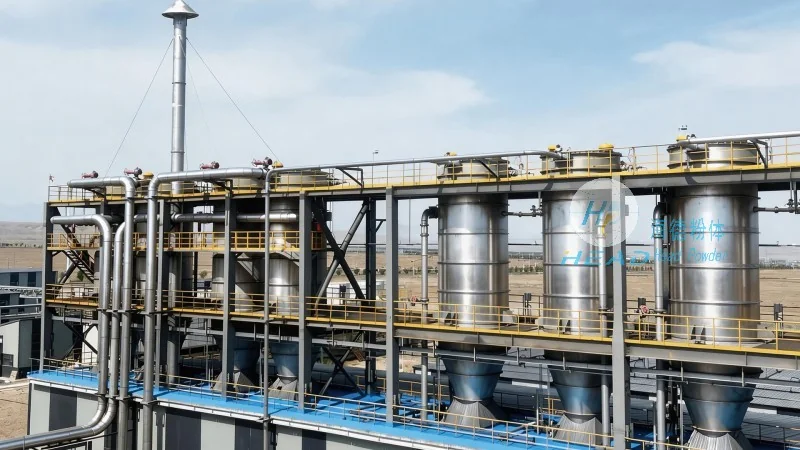
HeadPowder Engineering offers comprehensive equipment selection services tailored to the specific needs of PUR material handling. The selection process involves evaluating various components, including feeders, conveying lines, separation devices, and air treatment units. For feeders, options like rotary valves or screw feeders are commonly used to ensure a consistent and controlled material feed. The conveying lines are typically made of materials resistant to the corrosive properties of PUR, such as stainless steel or specialized plastics. Separation equipment, such as cyclones or bag filters, is essential to recover the material and prevent dust emissions. The choice of blower or fan depends on the required pressure and flow rate, with options ranging from positive displacement blowers to centrifugal fans.
Customized Solutions by Shandong HeadPowder Engineering Co., Ltd.
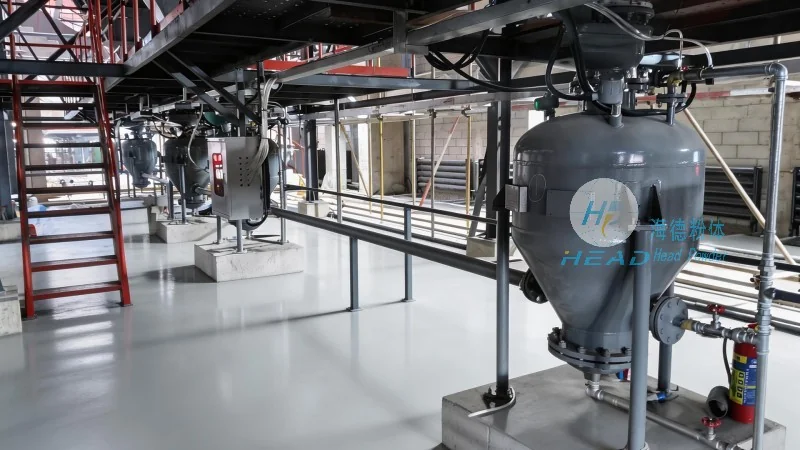
Shandong HeadPowder Engineering Co., Ltd., operating under the brand name HeadPowder, specializes in providing customized pneumatic conveying solutions for PUR applications. The company's team of experienced engineers uses advanced software and methodologies to perform detailed design calculations, ensuring that each system is optimized for the specific material characteristics and operational conditions. HeadPowder offers a range of services, from initial system analysis and feasibility studies to detailed design, equipment supply, and installation support. The company's commitment to quality and customer satisfaction has made it a trusted partner for industries dealing with PUR materials, including manufacturing, processing, and recycling sectors.
Benefits of Professional Design and Equipment Selection
Investing in professional design and equipment selection for PUR pneumatic conveying systems yields significant benefits. Properly designed systems reduce energy consumption, minimize maintenance costs, and extend the lifespan of equipment. They also enhance safety by controlling dust emissions and preventing material buildup. Additionally, customized solutions can improve production efficiency, allowing businesses to meet increasing demand without compromising on quality or safety standards.