

[Pneumatic Conveying Design for Soil: Calculation and Equipment Selection]
When it comes to efficiently transporting soil and other bulk materials, pneumatic conveying systems offer a reliable and effective solution. The design and selection of equipment for such applications require a thorough understanding of material properties, system dynamics, and operational requirements. This article provides an overview of the key considerations in designing a pneumatic conveying system for soil, including calculation methodologies and equipment selection criteria, presented by Shandong HeadPowder Engineering Co., Ltd., a leading provider in the field.
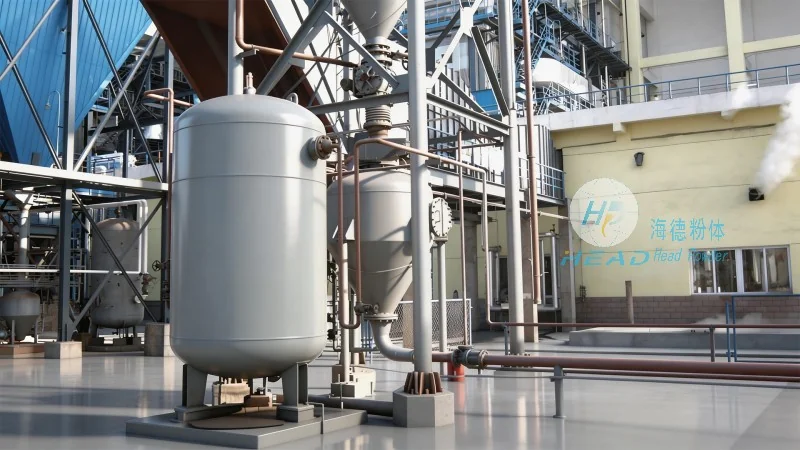
Company Profile: HeadPowder Engineering
Shandong HeadPowder Engineering Co., Ltd., commonly known as HeadPowder, is a professional engineering firm based in Shandong, China. With years of experience in the design, manufacturing, and installation of pneumatic conveying systems, HeadPowder specializes in providing tailored solutions for various bulk material handling needs. The company's expertise lies in optimizing system performance, ensuring energy efficiency, and delivering durable equipment that meets the specific demands of soil and similar materials.
Understanding Pneumatic Conveying for Soil
Pneumatic conveying involves the transport of bulk materials through a pipeline using air or gas as the conveying medium. For soil, this method is particularly advantageous due to its ability to handle abrasive and fine particles without the need for mechanical components like belts or buckets. The process typically involves creating a pressure differential within the system, which propels the material forward. The design of a soil pneumatic conveying system must account for factors such as material density, moisture content, particle size distribution, and the required conveying distance and throughput.
Design Calculation for Soil Pneumatic Conveying
The design of a pneumatic conveying system for soil begins with a comprehensive calculation of the necessary parameters. Key calculations include determining the required air velocity, pressure drop, and system power consumption. The air velocity must be sufficient to keep the soil particles suspended and moving through the pipeline, while avoiding excessive pressure losses. The pressure drop across the system is calculated based on the length of the pipeline, the diameter, and the frictional losses due to the material's interaction with the pipe walls. Additionally, the system's capacity, measured in terms of material throughput, is determined by the cross-sectional area of the pipeline and the air velocity. HeadPowder's engineering team employs advanced computational methods and empirical formulas, such as the Carman-Kozeny equation and the Ergun equation, to ensure accurate calculations. These formulas take into account the Reynolds number, the particle size distribution, and the flow regime (laminar or turbulent) to predict the pressure drop and air velocity requirements. The team also considers the moisture content of the soil, as it affects the material's density and flow characteristics. By carefully analyzing these factors, HeadPowder can design a system that operates efficiently and reliably under various conditions.
Equipment Selection for Soil Pneumatic Conveying
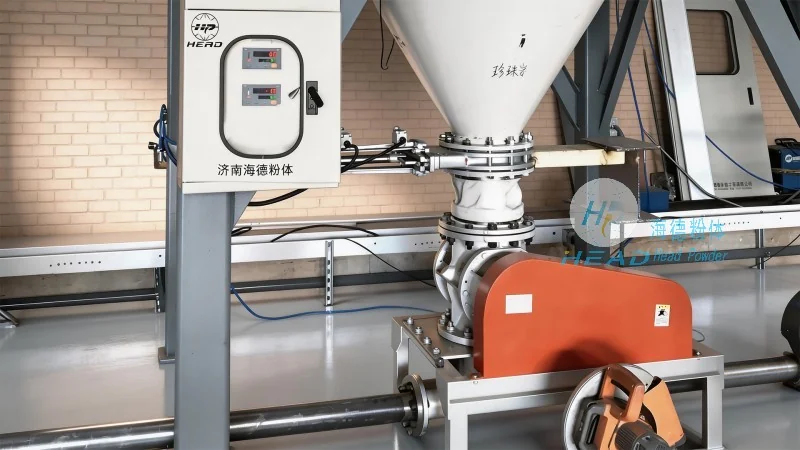
Once the design calculations are complete, the next step is to select the appropriate equipment for the soil pneumatic conveying system. This includes components such as the feed hopper, air compressor, pipeline, and discharge unit. The feed hopper is designed to handle the bulk material and feed it into the system at a controlled rate. It may include features like a vibratory feeder or a rotary valve to ensure consistent material flow. The air compressor provides the necessary pressure and volume of air to drive the conveying process. HeadPowder offers a range of air compressor options, including positive displacement blowers (rotary lobe and sliding vane) and centrifugal fans, each with different pressure and flow capabilities. The selection of the compressor depends on the required system pressure and the volume of air needed to achieve the desired conveying velocity. The pipeline is typically made of materials like stainless steel (for corrosive soils) or high-density polyethylene (HDPE) (for non-corrosive soils), chosen based on the soil's chemical properties and abrasiveness. The diameter of the pipeline is determined by the material's particle size and the required air velocity. The discharge unit is responsible for releasing the material at the end of the pipeline. It may include a rotary valve or a venturi system to control the discharge rate and prevent backflow. HeadPowder's equipment selection process ensures that each component is matched to the specific requirements of the soil and the application, optimizing system performance and longevity.
System Integration and Installation
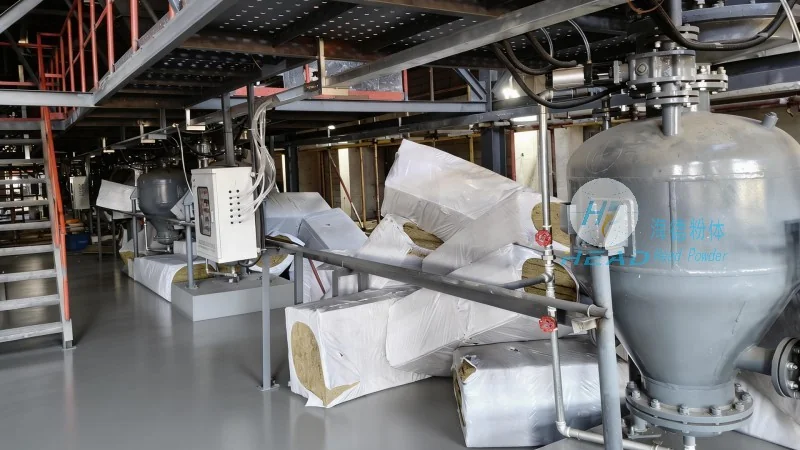
After equipment selection, the integration and installation of the pneumatic conveying system are critical for optimal performance. The system must be properly aligned and connected to ensure smooth material flow and minimal pressure losses. HeadPowder's experienced technicians are skilled in the installation and commissioning of these systems, ensuring that all components are correctly configured and tested for efficiency. The company also provides post-installation support, including maintenance and troubleshooting services, to ensure the long-term reliability of the system.
Benefits of Soil Pneumatic Conveying Systems
Implementing a pneumatic conveying system for soil offers several advantages over traditional methods. These include reduced labor costs, as the system automates the material handling process, and improved safety, as there are no moving parts in direct contact with the material. The system also minimizes material degradation and contamination, which is crucial for soil used in construction or agricultural applications. Additionally, pneumatic conveying systems are more energy-efficient compared to mechanical systems, leading to lower operational costs over time.
Conclusion
Designing and selecting a pneumatic conveying system for soil requires a combination of technical expertise and practical experience. Shandong HeadPowder Engineering Co., Ltd. leverages its deep understanding of material properties and system dynamics to provide customized solutions that meet the specific needs of clients. By following a systematic approach to design calculation and equipment selection, HeadPowder ensures that its clients achieve efficient, reliable, and cost-effective soil handling solutions. Whether for construction sites, mining operations, or agricultural projects, the company's pneumatic conveying systems offer a superior alternative to traditional material handling methods.