

Design and Calculation of Rice Husk Pneumatic Conveying System and Equipment Selection
HeadPowder, a leading engineering firm based in Shandong, China, specializes in the design, calculation, and selection of equipment for pneumatic conveying systems, particularly for rice husk and similar bulk materials. With years of experience in the field, the company provides comprehensive solutions tailored to the unique challenges of handling rice husk, ensuring efficient and reliable material transport in industrial applications.
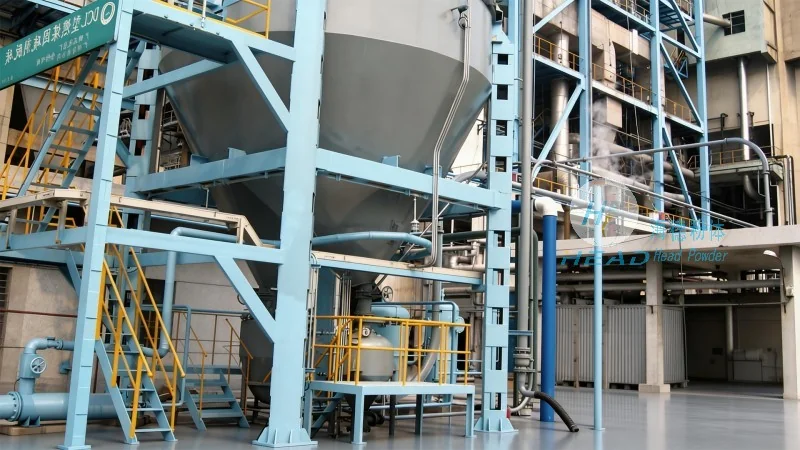
Understanding Pneumatic Conveying for Rice Husk
Pneumatic conveying is a critical technology for transporting bulk materials like rice husk, which are often lightweight and prone to dust generation. This method involves using air pressure to move materials through a pipeline system, offering advantages such as reduced labor costs, minimized contamination, and improved safety compared to traditional mechanical conveying methods. The effectiveness of a pneumatic conveying system depends heavily on accurate design and calculation, which is where HeadPowder's expertise comes into play.
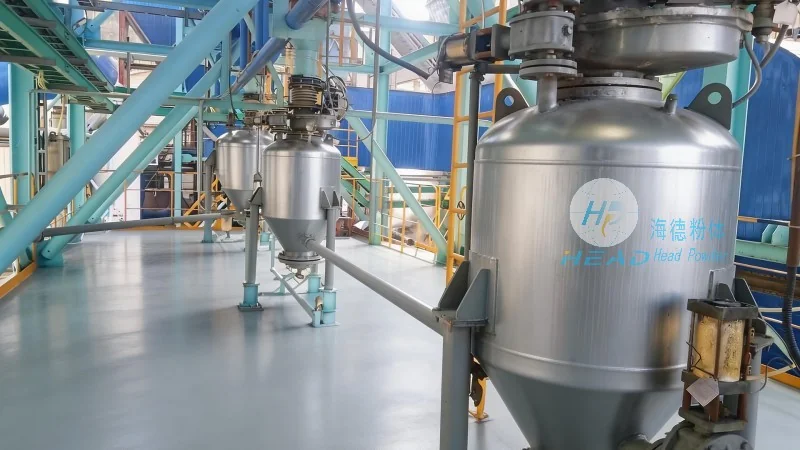
Key Design Considerations for Rice Husk Conveying Systems
When designing a pneumatic conveying system for rice husk, several factors must be carefully considered to ensure optimal performance. These include the material's bulk density, particle size distribution, and moisture content, as these properties directly impact the system's air flow requirements and pressure drop. Additionally, the system's layout, including the number and placement of inlets, outlets, and bends, must be optimized to minimize energy consumption and prevent material degradation. HeadPowder employs advanced computational methods to analyze these variables and develop a customized solution that meets the client's specific operational needs.
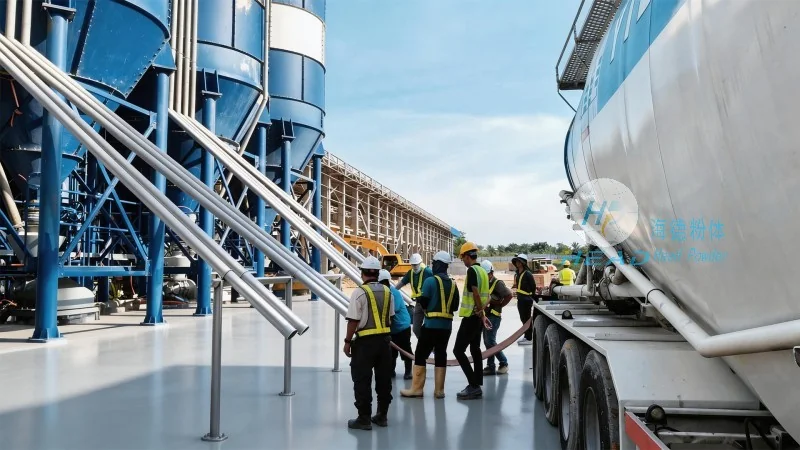
Equipment Selection for Efficient Rice Husk Transport
HeadPowder offers a range of equipment suitable for rice husk pneumatic conveying, including positive displacement blowers, rotary airlocks, and filter systems. The selection of equipment is based on the system's design calculations, ensuring that each component operates within its optimal performance range. For example, positive displacement blowers are preferred for high-pressure applications, providing consistent airflow even with varying material loads. Rotary airlocks are used to control the flow of rice husk into the conveying line, preventing backflow and maintaining system integrity. Filter systems are essential for capturing dust and maintaining air quality, which is crucial for both operational efficiency and environmental compliance.
Customized Solutions from HeadPowder Engineering
At HeadPowder Engineering Co., Ltd., based in Shandong, China, we understand that each industrial project has unique requirements. Our team of engineers works closely with clients to assess their material handling challenges and develop tailored pneumatic conveying solutions. By integrating advanced design software and practical field experience, we ensure that our systems not only meet but exceed industry standards for efficiency, reliability, and durability. Whether for a new facility or an upgrade to an existing system, HeadPowder provides comprehensive support from initial design through to installation and commissioning.
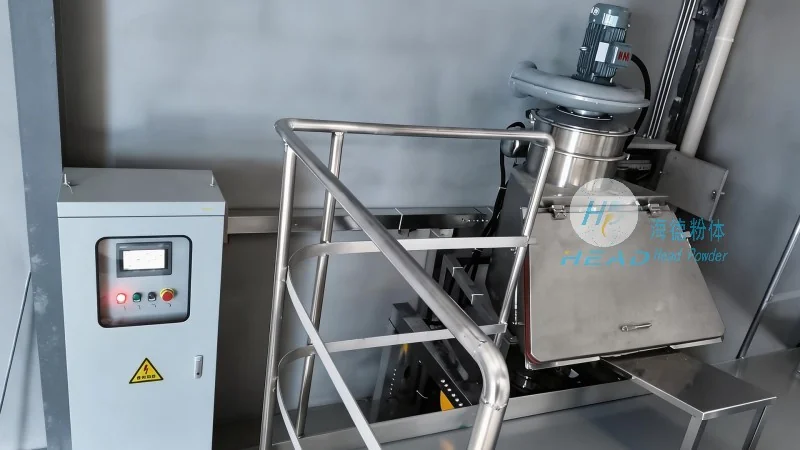
Benefits of Choosing HeadPowder for Rice Husk Conveying
Partnering with HeadPowder for rice husk pneumatic conveying offers numerous benefits. Our customized systems reduce energy consumption and maintenance costs compared to traditional methods, while improving overall operational efficiency. The use of high-quality equipment and expert design minimizes downtime and ensures consistent material flow, which is critical for maintaining production schedules. Additionally, our systems are designed with environmental considerations in mind, featuring efficient dust control and compliance with local regulations. Clients can rely on HeadPowder to deliver a reliable, cost-effective solution that enhances their material handling capabilities and supports long-term business growth.