

[Soda Ash Pneumatic Conveying Design, Calculation, and Equipment Selection]
For industrial applications involving the transport of soda ash, the design and selection of a pneumatic conveying system are critical to ensure efficiency, reliability, and cost-effectiveness. This article provides a comprehensive overview of the design calculation process and equipment selection for soda ash pneumatic conveying systems, tailored to meet the specific needs of industrial operations.
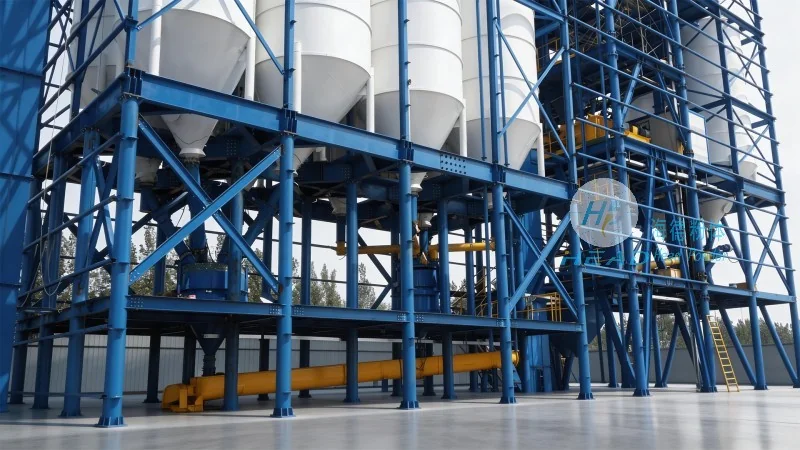
Soda Ash Pneumatic Conveying System Overview
Pneumatic conveying systems are widely used in the chemical industry to transport bulk materials like soda ash (sodium carbonate) from one location to another. These systems utilize air or other gases to move the material through a pipeline network, eliminating the need for mechanical components such as conveyor belts or buckets. The primary advantages of pneumatic conveying include reduced maintenance, improved material handling safety, and the ability to transport materials over long distances or through complex layouts.
Key Design Considerations for Soda Ash Pneumatic Conveying
The successful design of a soda ash pneumatic conveying system requires careful consideration of several key factors. The first is the material's physical properties, including its bulk density, particle size distribution, and flowability. Soda ash is typically a fine to medium-grained powder, which can affect the system's pressure drop and required air velocity. The second consideration is the system's layout, including the distance between the source and destination points, the number of turns and bends in the pipeline, and any vertical lifts or drops. These factors influence the required air pressure and power consumption. Additionally, the system's capacity, which is determined by the desired throughput rate, must be matched to the process requirements. Finally, the environmental and safety considerations, such as dust control and explosion prevention, are essential for compliance with industrial regulations and operational safety.
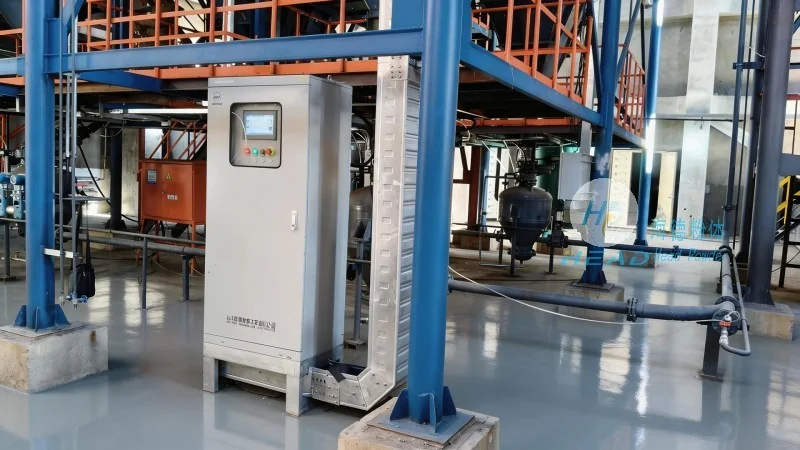
Design Calculation Process
The design calculation process for a soda ash pneumatic conveying system involves several steps to determine the appropriate equipment and system parameters. The first step is to define the system's specifications, including the material flow rate, pipeline length, and layout. Next, the material's physical properties are analyzed to estimate the pressure drop across the system components. This involves calculating the frictional losses in the pipeline, the acceleration losses at bends and fittings, and the elevation losses for vertical lifts. The pressure drop calculation helps determine the required air pressure and the power needed to operate the system. The air velocity is then determined based on the material's flowability and the desired system efficiency. The selection of the blower or compressor is based on the required air volume and pressure, ensuring that the system can maintain the necessary flow rates under varying conditions. The pipeline diameter is selected to balance the pressure drop and the material's velocity, preventing excessive wear and ensuring smooth material transport. Finally, the system's control and monitoring components are integrated to ensure stable operation and allow for adjustments based on process changes.
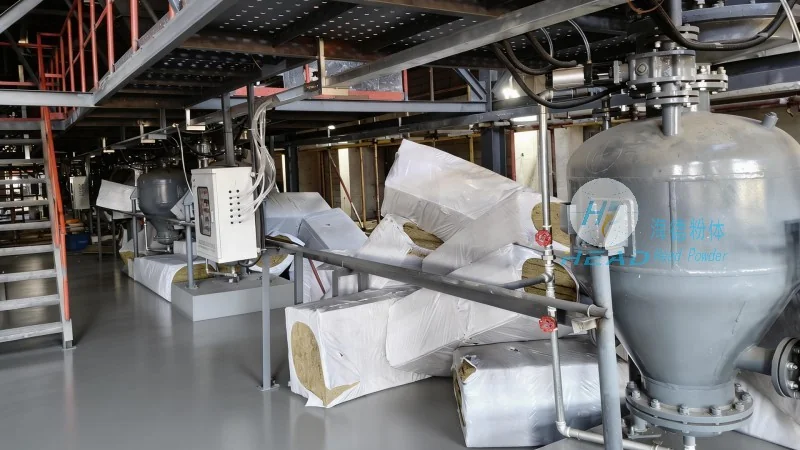
Equipment Selection for Soda Ash Pneumatic Conveying
Choosing the right equipment for a soda ash pneumatic conveying system is crucial for optimal performance and longevity. The primary equipment components include the material feed system, the conveying pipeline, the air supply system, and the material discharge system. The material feed system, such as a rotary valve or a star feeder, is selected based on the material's flowability and the required feeding rate. The pipeline material, typically stainless steel or plastic, is chosen to resist corrosion and wear from the soda ash particles. The air supply system consists of a blower or compressor, which provides the necessary air pressure and volume. The type of blower (positive displacement or centrifugal) is selected based on the system's pressure and flow requirements. The pipeline fittings, including bends, elbows, and tees, are designed to minimize pressure losses and ensure smooth material flow. The material discharge system, such as a rotary valve or a dust collector, is used to control the material's release and prevent dust emissions. Additionally, accessories like filters, silencers, and pressure relief valves are included to enhance system performance and safety.
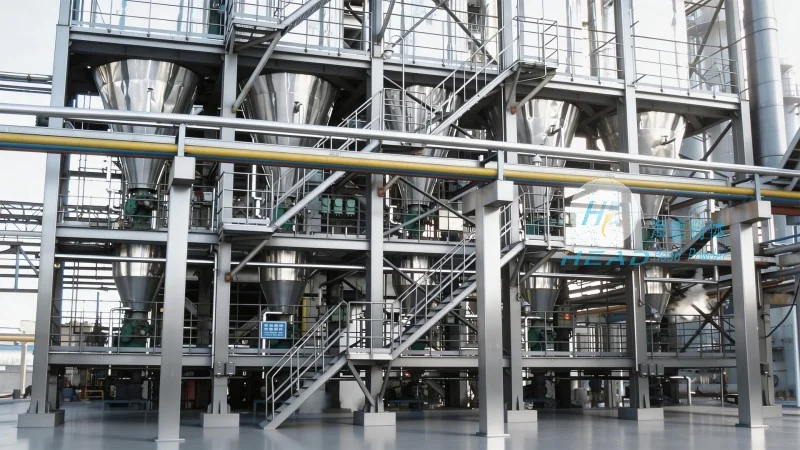
Application Examples and Case Studies
Shandong HeadPowder Engineering Co., Ltd., a leading provider of industrial engineering solutions, has extensive experience in designing and implementing soda ash pneumatic conveying systems for various industries. One notable application involves a soda ash production facility in China, where the company designed a system to transport soda ash from the production line to storage silos over a distance of 200 meters. The system was configured with a positive displacement blower, stainless steel pipelines, and a rotary valve feed system. The design calculations ensured that the system operated at an air pressure of 0.8 MPa and a flow rate of 10 tons per hour, meeting the plant's production requirements. The system has been in operation for over five years, demonstrating high reliability and low maintenance costs. Another application involved a chemical processing plant that required a system to transport soda ash through a complex network of pipelines with multiple vertical lifts and horizontal turns. The company's engineers used advanced simulation software to model the system's performance, optimizing the pipeline diameter and air velocity to minimize pressure drop and energy consumption. The resulting system achieved a 15% reduction in energy costs compared to a traditional mechanical conveyor system.
Conclusion
Designing and selecting a soda ash pneumatic conveying system requires a thorough understanding of the material's properties, the system's layout, and the operational requirements. By carefully considering the design calculations and equipment selection, industrial facilities can achieve efficient, reliable, and cost-effective material transport. Shandong HeadPowder Engineering Co., Ltd. specializes in providing tailored solutions for soda ash pneumatic conveying systems, leveraging its expertise in industrial engineering to meet the unique needs of its clients. With a focus on quality and performance, the company ensures that its systems are designed to operate efficiently and safely, contributing to the overall success of industrial operations.