

Airflow Transport Design and Equipment Selection for River Sand
For industries dealing with river sand, efficient and reliable transport solutions are crucial to ensure smooth production processes. This article focuses on the design calculations and equipment selection for airflow transport systems tailored to river sand applications. We will explore key considerations, technical aspects, and practical guidelines to help engineers and operators make informed decisions when implementing such systems.
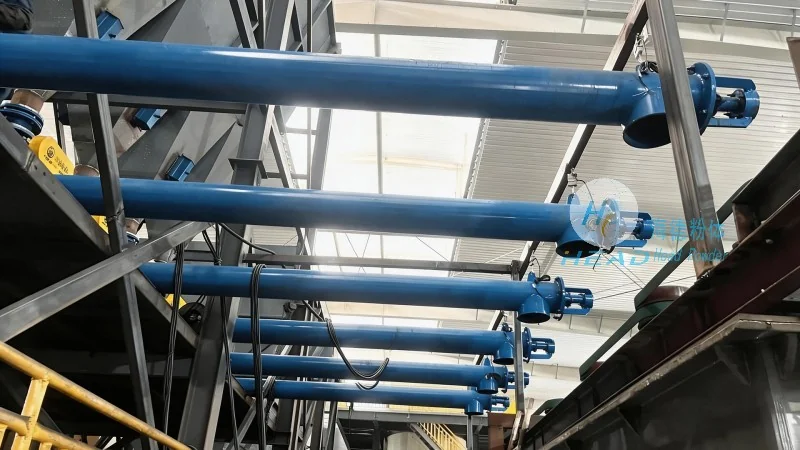
Understanding Airflow Transport Systems for River Sand
Airflow transport, also known as pneumatic conveying, is a method of transporting bulk materials like river sand through a pipeline using compressed air. This technology offers advantages such as dust-free operation, minimal maintenance, and the ability to transport materials over long distances. For river sand, which is typically fine and abrasive, selecting the right system design and equipment is critical to prevent system blockages and ensure consistent performance.
Key Design Calculations for River Sand Airflow Transport
The success of an airflow transport system for river sand depends on accurate design calculations. Several factors must be considered, including material properties, flow rates, pipeline dimensions, and air pressure. The first step is to determine the required conveying velocity, which is typically higher than the material's terminal velocity to prevent settling. Engineers calculate the necessary air volume and pressure based on the material's bulk density, particle size distribution, and the system's layout. For example, river sand with a bulk density of around 1.5 g/cm³ and particle sizes ranging from 0.1 to 2 mm may require a conveying velocity of 20-30 m/s, resulting in an air-to-solids ratio of 5-8:1. These calculations help optimize energy consumption and system efficiency.
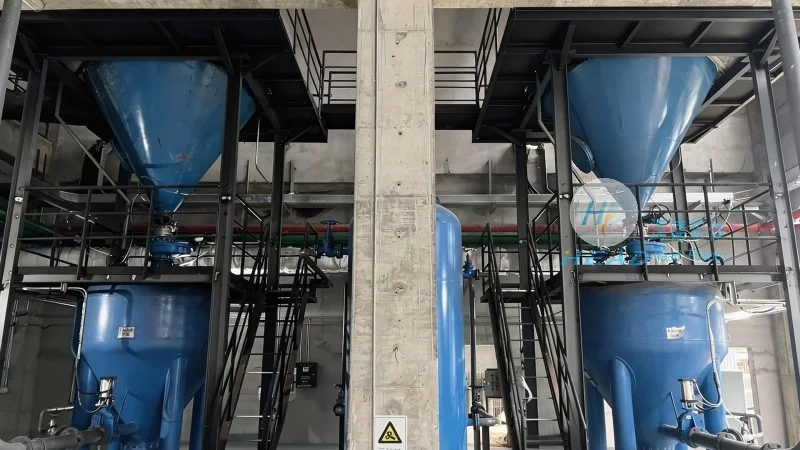
Equipment Selection for River Sand Airflow Transport
Choosing the appropriate equipment is essential for the reliable operation of an airflow transport system. The main components include the feeder, air compressor, pipeline, and receiver. The feeder must be capable of handling the river sand's characteristics, such as its abrasiveness and moisture content. Screw feeders or rotary valves are commonly used for river sand due to their ability to handle fine materials without clogging. The air compressor should provide sufficient pressure and volume to maintain the required conveying velocity. Centrifugal or positive displacement compressors are suitable, depending on the system's capacity and pressure needs. The pipeline material must be durable to withstand the abrasive nature of river sand, often using stainless steel or special coatings. The receiver, where the sand is discharged, should be designed to prevent dust emissions and ensure easy cleaning. Selecting equipment that matches the material's properties and system requirements ensures long-term performance and minimal downtime.
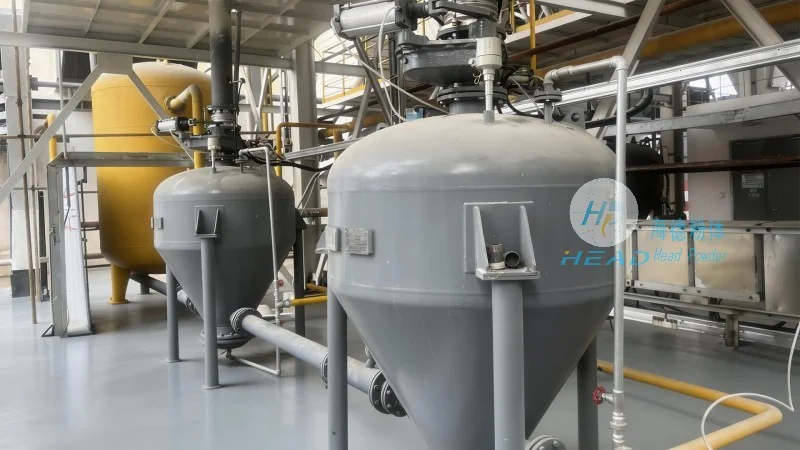
Benefits and Practical Considerations
Implementing an airflow transport system for river sand offers several benefits, including reduced labor costs, improved safety (as there is no manual handling of dust), and increased production efficiency. However, practical considerations must be addressed, such as the need for regular maintenance of equipment, especially the feeder and pipeline, due to the abrasive nature of river sand. Proper filtration of the air system is also crucial to prevent dust accumulation and maintain air quality. By adhering to the design calculations and selecting high-quality equipment, operators can achieve reliable and efficient transport of river sand, supporting their production processes effectively.
About Shandong HeadPowder Engineering Co., Ltd.
Shandong HeadPowder Engineering Co., Ltd., a leading provider of engineering solutions for bulk material handling, specializes in designing and manufacturing airflow transport systems tailored to various applications, including river sand. With years of experience and expertise in material handling technology, HeadPowder offers customized solutions that meet the specific needs of clients. The company's commitment to quality and innovation ensures that its products and services deliver reliable performance and long-term value. HeadPowder's team of engineers and technicians work closely with clients to understand their requirements and provide tailored solutions, ensuring that the airflow transport systems are optimized for their unique applications. For industries dealing with river sand, HeadPowder's expertise in design and equipment selection can help improve operational efficiency and reduce costs.