

Calculation and Equipment Selection for Limestone (Quicklime) Pneumatic Conveying
For industrial applications involving the handling of limestone or quicklime, efficient and reliable material transport is crucial. This document outlines the key considerations for the design, calculation, and selection of pneumatic conveying systems tailored to these specific materials. The process begins with understanding the material properties, flow characteristics, and operational requirements to ensure optimal system performance and longevity.
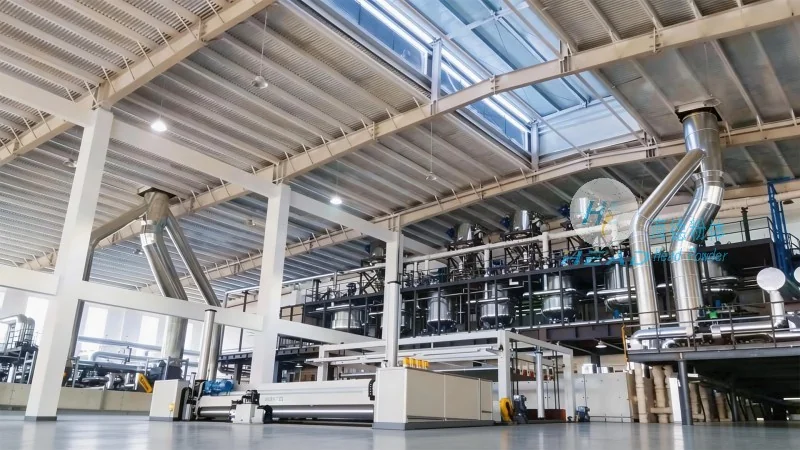
About HeadPowder Engineering
HeadPowder, a division of Shandong HeadPowder Engineering Co., Ltd., specializes in the engineering and implementation of advanced material handling solutions. With a focus on pneumatic conveying systems for bulk materials like limestone and quicklime, the company leverages decades of industry experience to deliver customized solutions that meet stringent operational standards. HeadPowder’s expertise encompasses system design, equipment selection, and project execution, ensuring clients achieve efficient material transport while minimizing operational costs and downtime.
Design Calculations for Pneumatic Conveying Systems
The design of a pneumatic conveying system for limestone or quicklime involves several critical calculations to determine the appropriate system configuration. Key parameters include the material's bulk density, flow rate, particle size distribution, and the required conveying distance. The system's air velocity must be sufficient to entrain the material particles while maintaining energy efficiency. HeadPowder employs advanced computational methods to calculate the necessary air volume, pressure drop, and power requirements. For example, in a typical limestone conveying application, the system may require a high-pressure blower or a vacuum pump, depending on the distance and material characteristics. The calculations also consider the effects of particle size and moisture content on the conveying performance, ensuring the system is optimized for the specific material being handled.
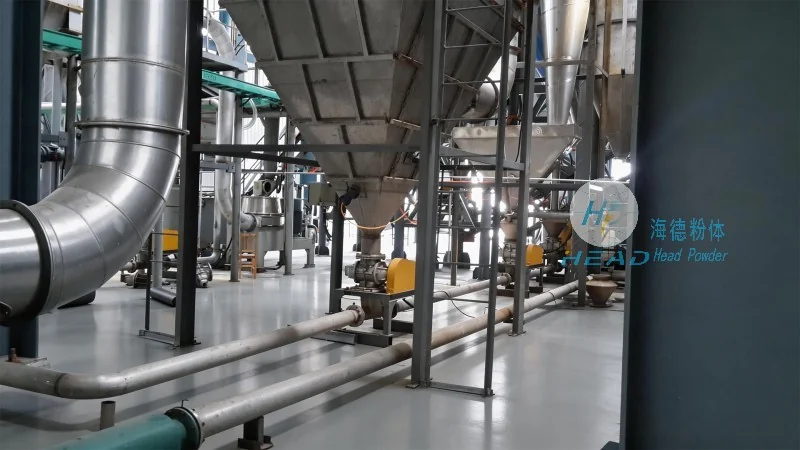
The design calculations for a limestone pneumatic conveying system start with determining the material's bulk density, which typically ranges from 800 to 1100 kg/m³ for quicklime. The flow rate, often measured in tons per hour, is a key factor in system sizing. For instance, a system handling 10 tons per hour of quicklime requires precise calculation of the air velocity to ensure all particles are entrained. The air velocity must be higher than the material's terminal velocity to prevent deposition. HeadPowder uses computational fluid dynamics (CFD) simulations to model the flow behavior and optimize the system design. These simulations help identify potential issues such as pressure drop, particle separation, or blockages, allowing for adjustments before the system is installed. The pressure drop across the conveying line is another critical calculation, as it directly impacts the energy consumption of the air mover. By minimizing pressure drop through proper pipe sizing and reducing bends or fittings, the system's efficiency is enhanced. The power requirement is calculated based on the air volume and pressure, ensuring the selected blower or vacuum pump can meet the operational demands without overloading.
Equipment Selection for Limestone Pneumatic Conveying
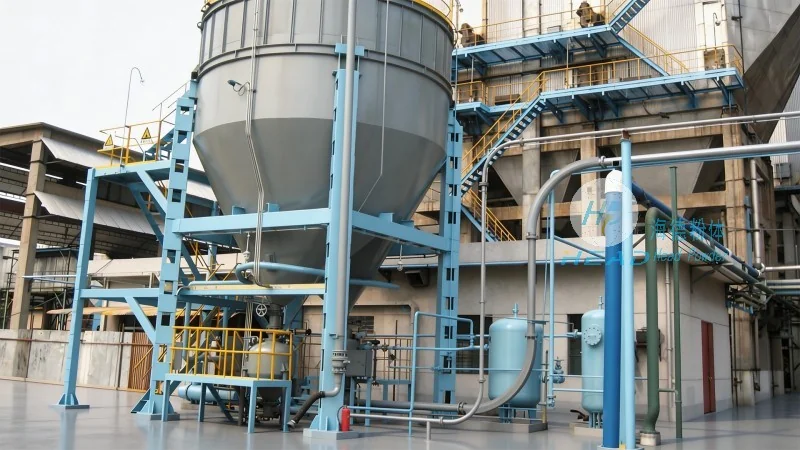
Choosing the right equipment is essential for the successful operation of a limestone pneumatic conveying system. HeadPowder offers a range of components tailored to the demands of limestone and quicklime handling. The primary equipment includes the conveying line (e.g., flexible hoses or rigid pipes), air movers (blowers or vacuum pumps), and material feeders (hoppers or rotary valves). For limestone, which can be abrasive, the selection of durable materials for the conveying line and components is critical. Stainless steel or high-grade alloys are often used to prevent wear and corrosion. The air mover selection depends on the system's operating mode—positive pressure for long-distance conveying or negative pressure for short-distance or vacuum applications. HeadPowder's engineers evaluate factors such as the required air volume, pressure, and power consumption to recommend the most suitable equipment. Additionally, the company considers the system's integration with existing infrastructure, ensuring seamless operation and minimal disruption to current processes.
When selecting equipment for limestone pneumatic conveying, the choice of conveying line material is paramount. Limestone particles are abrasive, and standard steel pipes may experience significant wear over time. HeadPowder recommends using lined pipes or stainless steel with a protective coating to extend the system's lifespan. The flexibility of the conveying line is also important, especially in applications where the system needs to navigate obstacles or changes in direction. Flexible hoses made from high-density polyethylene (HDPE) or reinforced rubber are commonly used for shorter distances, while rigid pipes are preferred for longer runs. The air mover selection depends on the system's operating mode. Positive pressure systems use blowers that force air through the line, suitable for conveying materials over long distances. Negative pressure systems use vacuum pumps to draw material into the line, ideal for short distances or when the material needs to be collected from a hopper. The material feeder is another critical component, as it must handle the bulk density and flow rate of the limestone. Rotary valves and screw feeders are commonly used, with rotary valves providing a consistent flow rate and minimizing material buildup. HeadPowder's engineers evaluate the feeder's capacity, speed, and material compatibility to ensure it matches the system's requirements. Additionally, the company considers the integration of safety features, such as pressure relief valves and dust collection systems, to comply with industry regulations and ensure safe operation.