

Types and Applications of Chocolate Pneumatic Conveying Systems
Chocolate processing requires efficient and hygienic material handling solutions to maintain product quality and operational efficiency. Pneumatic conveying systems have become a preferred method for transporting chocolate powders, liquids, and related materials due to their ability to handle delicate products while minimizing contamination risks. This article explores the key types, features, and application ranges of chocolate pneumatic conveying systems, with a focus on the expertise of Shandong HeadPowder Engineering Co., Ltd., a leading provider in the industry.
Key Types of Chocolate Pneumatic Conveying Systems
Chocolate pneumatic conveying systems primarily fall into two main categories: pressure (positive pressure) and vacuum (negative pressure) systems. Each type offers distinct advantages based on the specific requirements of the chocolate production line.
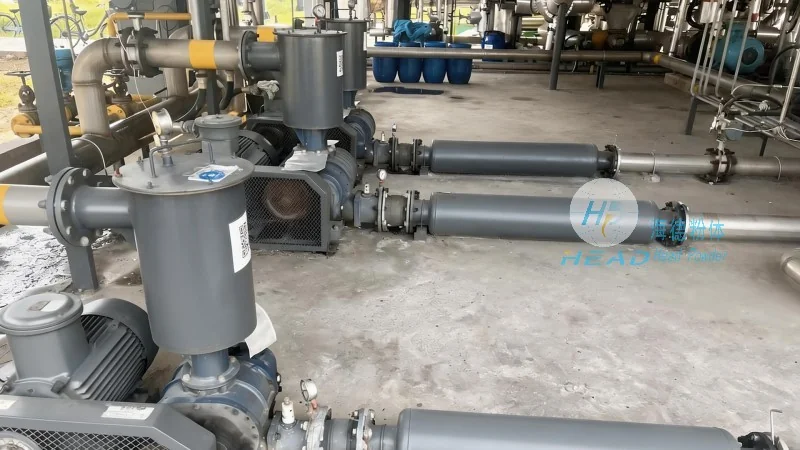
Pressure systems utilize compressed air to push material through a pipeline, making them ideal for high-volume and long-distance transport. These systems typically include a positive displacement blower, a material hopper, and conveying lines equipped with in-line filters and cyclones for separation. Pressure systems are particularly effective for handling chocolate powders that are prone to caking or require gentle handling, as the compressed air provides a consistent and controlled flow.
Vacuum systems, on the other hand, use a vacuum to draw material from a hopper into the conveying line. This method is suitable for shorter distances and applications where the material needs to be collected from multiple points. Vacuum systems are often preferred for handling fine powders that might be sensitive to pressure changes, as they provide a more controlled and gentle transport environment. Both systems can be customized with features such as pulse jets, rotary valves, and material feeders to optimize performance and ensure consistent product quality.
Core Features of Chocolate Pneumatic Conveying Systems
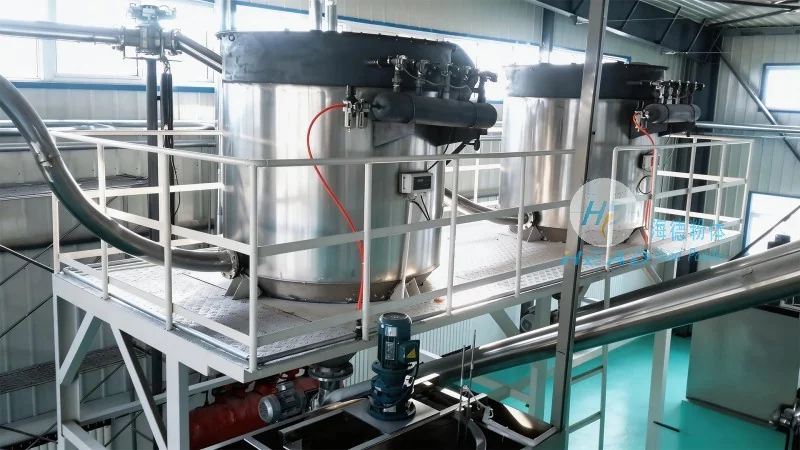
Effective chocolate pneumatic conveying systems are defined by several critical features that enhance functionality and reliability. Maintaining a hygienic environment is paramount, as chocolate products must meet stringent food safety standards. Systems are typically constructed from stainless steel or food-grade materials to prevent contamination and ensure easy cleaning. Advanced filtration systems, including cyclone separators and bag filters, are integrated to remove fine particles and prevent dust accumulation, which can affect the taste and texture of the chocolate.
Another key feature is the control and monitoring capabilities. Modern systems often incorporate programmable logic controllers (PLCs) and user-friendly interfaces, allowing operators to adjust conveying rates, pressure levels, and other parameters in real-time. This flexibility ensures the system can adapt to varying production demands and maintain consistent material flow. Additionally, many systems are equipped with safety features such as pressure relief valves and emergency shut-off mechanisms to prevent accidents and protect personnel and equipment.
Energy efficiency is also a significant consideration in chocolate processing. High-pressure systems, while capable of handling large volumes, can consume more energy compared to vacuum systems. However, advancements in blower technology have improved the efficiency of both types, allowing for reduced operational costs without compromising performance. The integration of energy-saving modes and variable speed drives further optimizes power consumption, making modern chocolate pneumatic conveying systems more sustainable and cost-effective.
Application Ranges of Chocolate Pneumatic Conveying Systems
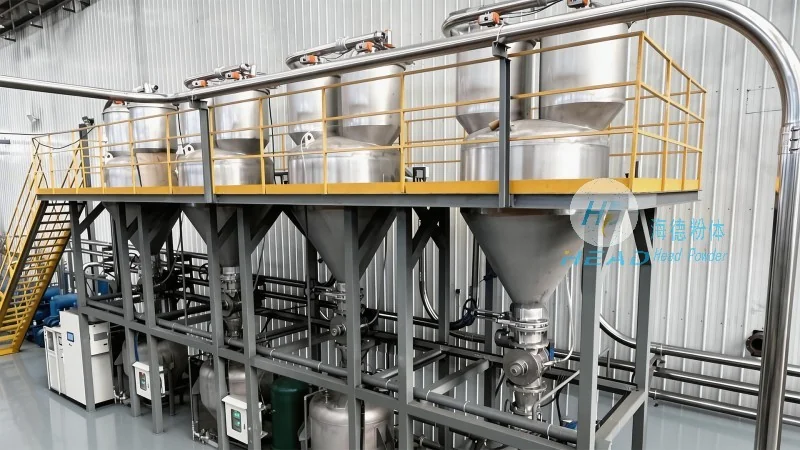
Chocolate pneumatic conveying systems are widely applied across various stages of chocolate production, from raw material handling to finished product packaging. Their versatility makes them suitable for a range of chocolate products, including cocoa powders, chocolate chips, and liquid chocolate.
In the raw material processing stage, pneumatic conveying is used to transport cocoa beans and other ingredients from storage silos to grinding and mixing equipment. This method ensures the materials are handled gently, preventing damage to the beans and maintaining the quality of the final product. The systems are designed with large hoppers and high-capacity blowers to accommodate the bulk quantities of raw materials required in chocolate manufacturing.
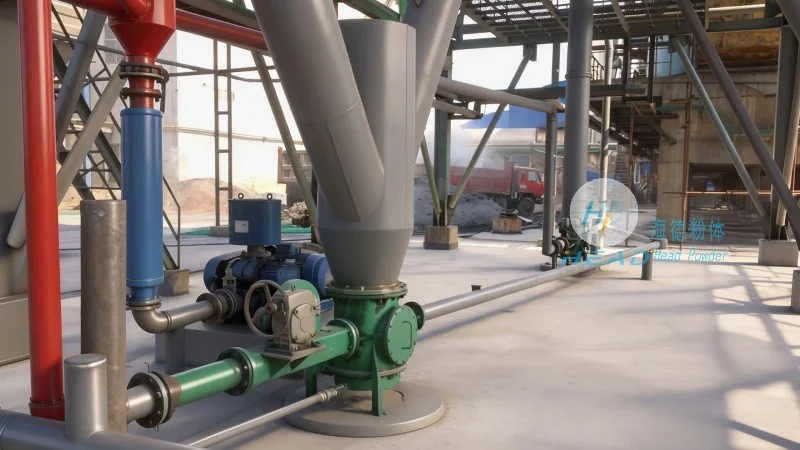
During the production of chocolate bars and confections, pneumatic conveying is employed to move chocolate masses from the tempering and molding processes to packaging lines. This ensures the chocolate remains in a controlled temperature environment, preventing premature setting or melting. The systems are integrated with temperature sensors and control systems to maintain optimal conditions throughout the conveying process.
For the production of chocolate powders and coatings, vacuum systems are commonly used to transport fine powders from processing tanks to packaging machines. The gentle suction action minimizes the risk of powder agglomeration and ensures a consistent flow rate, which is crucial for maintaining the texture and appearance of the final product. Additionally, these systems can be used to transfer chocolate coatings from a central tank to multiple production lines, improving operational efficiency and reducing downtime.
Finally, in the quality control and packaging stages, pneumatic conveying systems are used to transport finished chocolate products from the production line to storage areas or packaging stations. This ensures the products are handled hygienically and efficiently, minimizing the risk of contamination and ensuring timely delivery to customers. The systems are often equipped with automated sorting and inspection features to enhance quality control and reduce human error.