

Working Principle and Features of Kaolin Material Handling Systems
For industries dealing with kaolin, an efficient material handling system is crucial for maintaining production efficiency and ensuring product quality. The kaolin material handling system, developed by Shandong HeadPowder Engineering Co., Ltd., is designed to address the unique challenges of transporting and processing this fine mineral. This article explores the working principle and key features of such systems, providing insights into how they enhance operational performance.
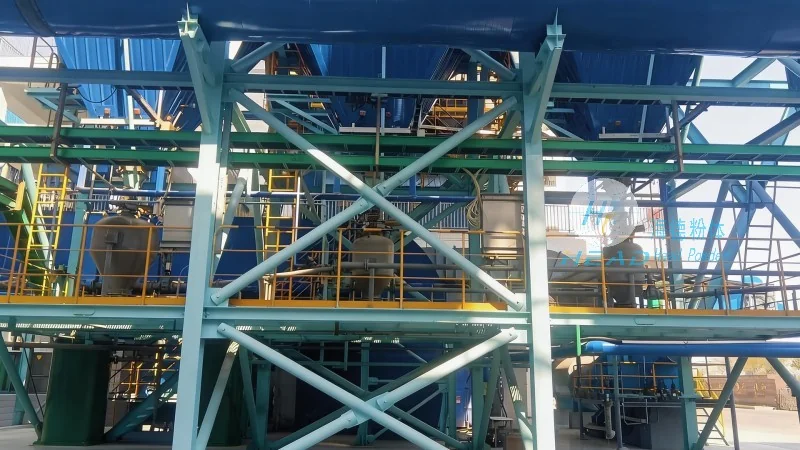
Understanding the Working Principle of Kaolin Material Handling Systems
The core working principle of a kaolin material handling system revolves around the seamless integration of various components to achieve continuous material flow. The system typically begins with the intake of raw kaolin from storage silos or bulk containers. A feed mechanism, such as a rotary valve or a screw conveyor, regulates the flow of the material into the primary processing equipment. This initial step ensures that the material is fed at a consistent rate, preventing overloading or underfeeding of downstream machinery.
Once the kaolin enters the processing unit, it may undergo several stages of handling, including screening, drying, or classification. These processes are often integrated with the material transport system to minimize material handling steps and reduce energy consumption. For example, a vibrating screen may be used to separate oversized particles from the kaolin, with the oversized material being diverted back to the feed system for reprocessing. The screened kaolin then moves to the next stage, which could involve a drying oven or a pneumatic conveying system.
Pneumatic conveying is a common method used in kaolin material handling systems, especially for fine powders. This technique uses air pressure to transport the material through a network of pipes. The system typically includes a blower, a hopper, and a receiver. The kaolin is fed into the hopper, and the blower generates the necessary air pressure to move the material through the pipes to the destination. Pneumatic conveying offers advantages such as low maintenance, minimal dust generation, and the ability to transport materials over long distances without the need for mechanical components.
After the material has been processed and transported, it is typically stored in a final silo or packaging unit. The system may include a discharge mechanism, such as a rotary valve or a gate valve, to control the release of the material. This final step ensures that the processed kaolin is delivered to the next stage of production or to the customer in a controlled manner.
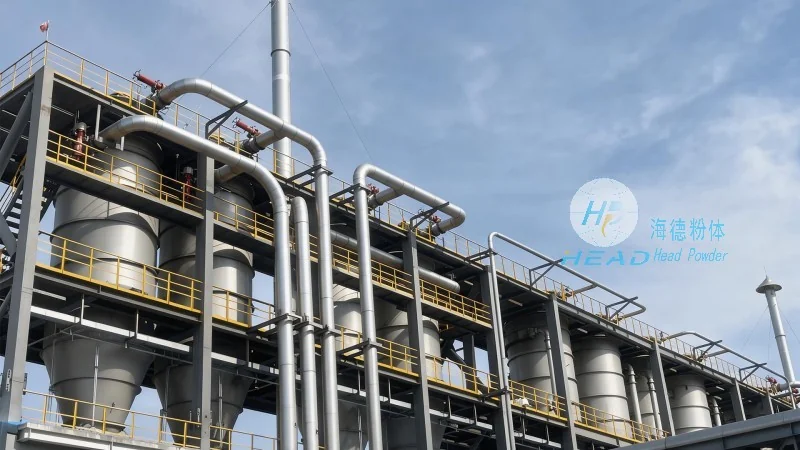
Key Features of Kaolin Material Handling Systems
Shandong HeadPowder Engineering Co., Ltd. designs kaolin material handling systems with several key features that enhance their functionality and reliability. One of the primary features is the use of high-quality, wear-resistant materials for the components that come into direct contact with the kaolin. Kaolin is a fine, abrasive mineral, and using materials like stainless steel or special alloys helps to minimize wear and extend the lifespan of the equipment. This not only reduces maintenance costs but also ensures that the material quality is not compromised by equipment wear.
Another important feature is the integration of advanced control systems. Modern kaolin material handling systems are equipped with programmable logic controllers (PLCs) and human-machine interfaces (HMIs) that allow operators to monitor and control the entire process from a central location. These systems can adjust the feed rate, monitor the material flow, and alert operators to any abnormalities, such as blockages or variations in material quality. The ability to remotely monitor and control the system enhances operational efficiency and reduces downtime.
The systems also incorporate dust control measures to ensure a safe and clean working environment. Kaolin is a fine powder that can generate significant dust during handling. The use of enclosed conveyors, dust collection systems, and proper ventilation helps to minimize dust exposure and comply with occupational health and safety regulations. This is particularly important in industries where worker safety is a top priority.
Energy efficiency is another key feature of these systems. By optimizing the flow of material and using energy-efficient components, such as high-efficiency blowers and variable speed drives, the systems reduce energy consumption. This not only lowers operating costs but also aligns with the growing demand for sustainable industrial practices. The use of energy-efficient technology also contributes to the overall environmental performance of the system.
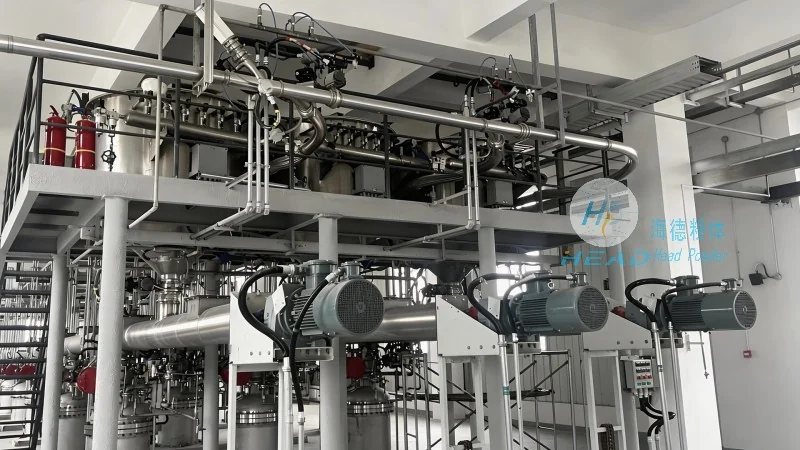
Benefits of Implementing a Kaolin Material Handling System
Implementing a well-designed kaolin material handling system offers numerous benefits for industrial operations. One of the most significant benefits is the improvement in production efficiency. By automating the material handling process, the system reduces the need for manual labor and minimizes the time required to transport and process the kaolin. This leads to higher throughput and increased productivity, allowing companies to meet their production targets more effectively.
Another benefit is the enhancement of product quality. The system's ability to maintain consistent material flow and control the processing parameters ensures that the kaolin is handled in a way that preserves its quality. This is particularly important for applications where the purity and particle size distribution of the kaolin are critical, such as in the production of paper, ceramics, or cosmetics. The consistent quality of the processed kaolin leads to better product performance and customer satisfaction.
Cost reduction is also a major advantage of these systems. By reducing maintenance costs through the use of wear-resistant materials and improving energy efficiency, companies can lower their overall operating expenses. Additionally, the reduction in downtime due to the system's reliability and advanced control features minimizes production losses. The long-term cost savings make the investment in a kaolin material handling system a worthwhile decision for any company dealing with kaolin.
Finally, the implementation of a kaolin material handling system contributes to a safer and more sustainable workplace. The dust control measures and advanced safety features reduce the risk of accidents and improve worker safety. The energy-efficient design also aligns with environmental regulations and promotes sustainable industrial practices. These benefits not only enhance the company's reputation but also contribute to long-term business success.