

Working Principle and Features of Limestone and Gypsum Material Handling Systems
In industrial sectors such as cement manufacturing, construction, and chemical processing, the efficient handling of limestone and gypsum is paramount to maintaining production efficiency and product quality. These bulk materials are essential raw ingredients, and their movement from storage to processing or packaging stages requires specialized material handling systems. Understanding the working principle and key features of these systems is vital for optimizing operational performance and ensuring the reliability of material transport processes.
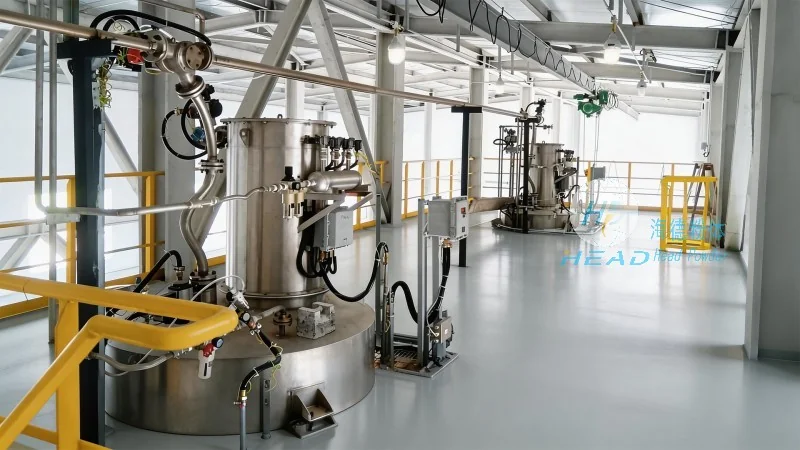
Overview of Limestone and Gypsum Material Handling Systems
Limestone and gypsum material handling systems are engineered to manage the flow of these bulk materials throughout the production lifecycle. The systems typically consist of several integrated components, including bulk storage silos or hoppers, feeding mechanisms, conveyor systems, and control units. The design of these systems is tailored to the physical properties of limestone and gypsum, such as their particle size distribution, moisture content, and bulk density, ensuring that the material is handled safely and efficiently.
For example, in cement production, limestone is often stored in large, airtight silos to prevent moisture absorption and material bridging. The silos are equipped with aeration systems and level sensors to monitor the material level and prevent overfilling. From the storage silos, the material is discharged into a feeding hopper, which regulates the flow rate using adjustable gates or vibrating mechanisms. The feeder then transfers the material to a conveyor system, which can be a belt conveyor for long horizontal distances or a screw conveyor for vertical or inclined transport.
Working Principle of the Material Handling System
The working principle of a limestone and gypsum material handling system involves a sequential process of material storage, feeding, conveying, and control. The first step is material storage, where the raw limestone or gypsum is held in large storage silos or hoppers. These storage units are designed to accommodate large volumes of material and prevent issues like compaction or material bridging, which can impede material flow. The silos are often equipped with aeration systems to maintain material flowability and prevent moisture buildup.
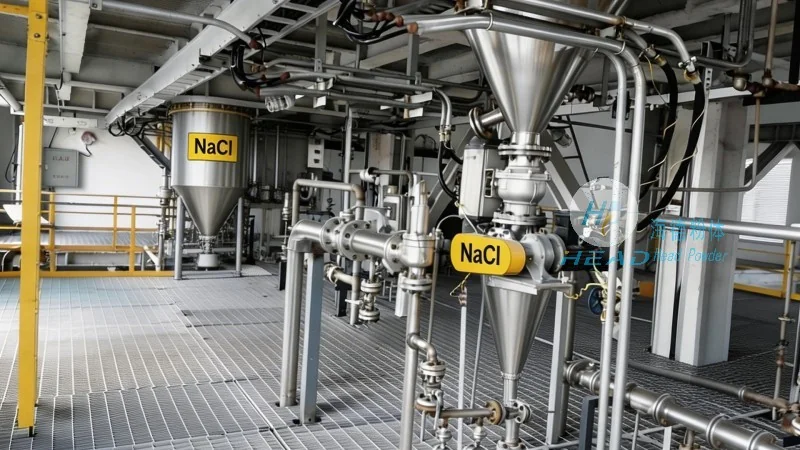
Next, the material is transferred from the storage silo to a feeding hopper or feeder. The feeder's primary function is to regulate the flow rate of the material, ensuring a consistent supply to the conveyor system. Feeding mechanisms can include vibrating feeders, screw feeders, or rotary valves, each chosen based on the material's characteristics and the required flow rate. The feeder controls the amount of material entering the conveyor, preventing overloading and ensuring smooth operation.
From the feeder, the material is conveyed to the next processing stage using a conveyor system. Conveyor systems are the core of the material handling process, responsible for transporting the bulk material over horizontal, vertical, or inclined distances. Belt conveyors are commonly used for long-distance horizontal transport due to their high capacity and low maintenance requirements. Screw conveyors are suitable for vertical or inclined transport, as they can handle materials with higher moisture content and are less prone to material blockage.
The conveyor system is connected to a control unit, which monitors and regulates the entire process. The control unit uses sensors to detect material levels, flow rates, and pressure, and adjusts the feeder and conveyor speed accordingly. This closed-loop control system ensures that the system operates within optimal parameters, minimizing energy consumption and reducing the risk of material jams or overloading. The control unit may also include emergency stop functions and overload protection to enhance system safety.
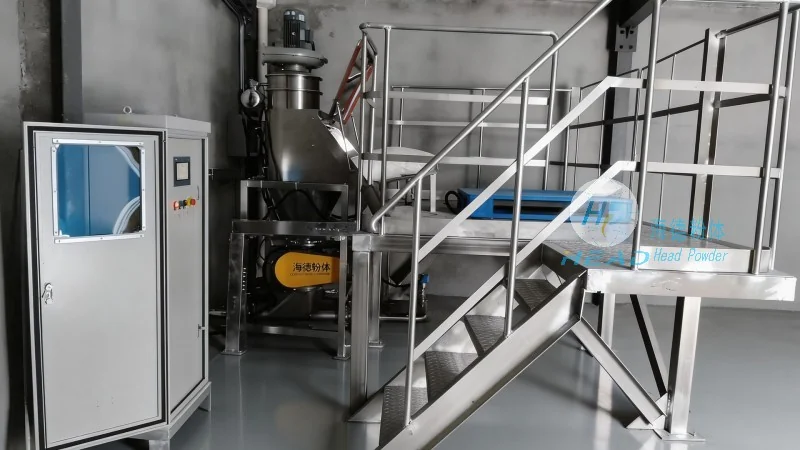
Key Features of the Material Handling System
High-performance limestone and gypsum material handling systems are characterized by several key features that enhance their efficiency, reliability, and longevity. One of the most significant features is the integration of advanced automation and control technology. Modern systems use programmable logic controllers (PLCs) and human-machine interfaces (HMIs) to monitor and adjust operational parameters in real time. This automation reduces human intervention, minimizes operational errors, and improves overall system responsiveness.
Another critical feature is the use of durable and corrosion-resistant materials for the construction of system components. Limestone and gypsum are abrasive and can contain moisture, which can cause wear and corrosion over time. To address this, system components such as hoppers, feeders, and conveyor belts are made from materials like stainless steel, high-density polyethylene (HDPE), or specialized alloys. These materials resist wear, corrosion, and chemical attack, extending the system's service life and reducing maintenance costs.
The system also incorporates safety features to protect personnel and equipment. Emergency stop buttons, overload protection sensors, and material detection systems are standard in modern material handling systems. These features ensure that the system operates safely and complies with industrial safety regulations. Additionally, the design of the system allows for easy maintenance and cleaning, with accessible components and minimal downtime for repairs.
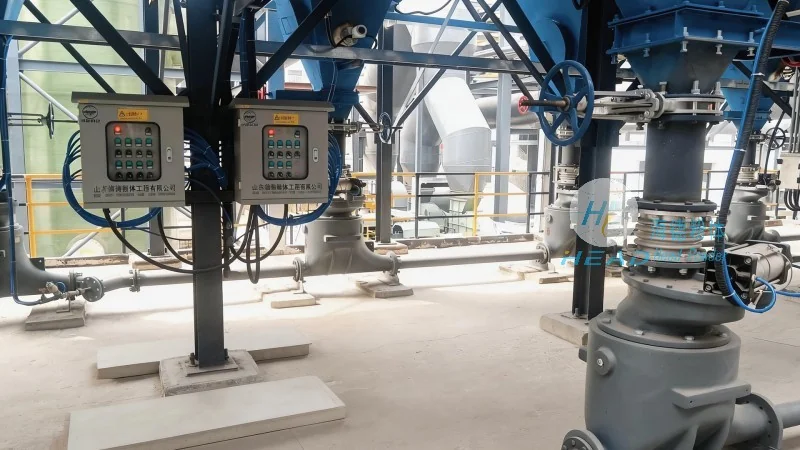
Energy efficiency is another important feature of contemporary material handling systems. Many systems use energy-saving motors and variable frequency drives (VFDs) to adjust the conveyor speed based on the material flow rate. This reduces energy consumption and lowers operational costs. Some systems also incorporate dust suppression and moisture control features to maintain material quality and reduce environmental impact.
Application-Specific Adaptations by Headpowder
Shandong HeadPowder Engineering Co., Ltd., a leading provider of material handling solutions, specializes in designing and manufacturing customized limestone and gypsum material handling systems. The company's engineering team works closely with clients to understand their specific production requirements, material characteristics, and operational constraints, ensuring that the final system is optimized for maximum efficiency and minimal downtime.
For instance, in cement production, Headpowder's systems are engineered to handle large volumes of limestone at high speeds, with high-capacity belt conveyors and robust feeding mechanisms. The systems are designed to integrate seamlessly with existing production lines and can be equipped with advanced control systems to enhance operational performance. In construction applications, where gypsum is used for drywall and other building materials, Headpowder's systems may include additional features such as dust suppression and moisture control to maintain the quality of the material.