

Operation Process and Working Principle of Potassium Hydroxide Pneumatic Conveying System
Shandong HeadPowder Engineering Co., Ltd. is a professional manufacturer and supplier based in Shandong, China, specializing in the design, production, and installation of pneumatic conveying systems for various industrial applications. The company focuses on providing efficient and reliable solutions for handling bulk materials, including chemicals like potassium hydroxide. This article provides an in-depth look at the operation process and working principle of a potassium hydroxide pneumatic conveying system, highlighting the key components and the systematic approach to material transport.
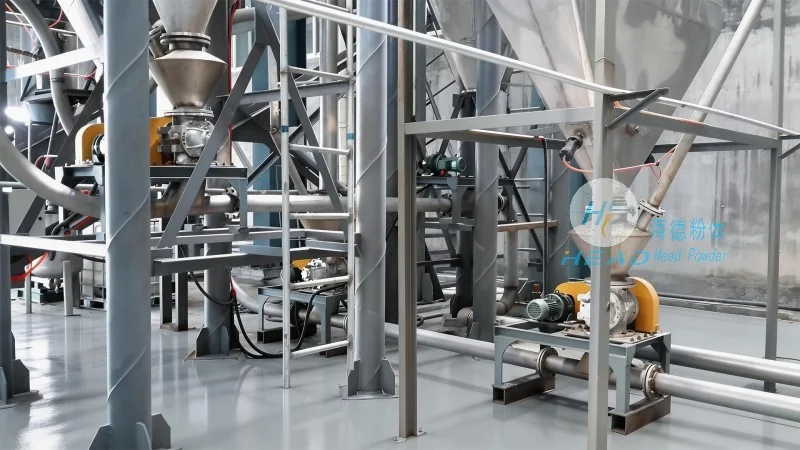
Potassium Hydroxide Pneumatic Conveying System Overview
A potassium hydroxide pneumatic conveying system is a specialized equipment used to transport potassium hydroxide, a strong alkaline chemical, from storage silos or production areas to processing units or packaging stations. The system utilizes compressed air or other gases to move the material through a pipeline network. This method offers advantages such as dust-free operation, reduced labor costs, and improved safety compared to traditional mechanical conveying methods. The system typically consists of several key components, including a hopper, feeder, air compressor, conveying line, and control system, all working in tandem to ensure smooth and continuous material flow.
Key Components of the Pneumatic Conveying System
The potassium hydroxide pneumatic conveying system comprises several essential parts that contribute to its functionality. The hopper serves as the storage container for the potassium hydroxide, maintaining a consistent material level. The feeder, often a rotary valve or a screw feeder, regulates the flow of material from the hopper into the conveying line. The air compressor generates the necessary pressure and volume of air to move the material through the pipeline. The conveying line, usually made of stainless steel or other corrosion-resistant materials, is designed to withstand the chemical properties of potassium hydroxide and the pressure of the conveying air. The control system monitors and adjusts the operation of the feeder and compressor to maintain optimal conveying conditions.
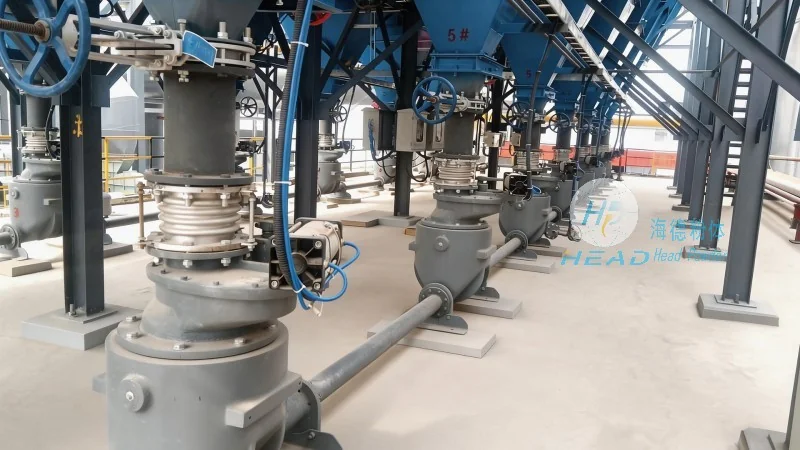
Operation Process of the Pneumatic Conveying System
The operation of the potassium hydroxide pneumatic conveying system follows a systematic sequence to ensure efficient material transport. Initially, the hopper is filled with potassium hydroxide, and the feeder is activated to start the material flow. The air compressor then begins to operate, generating compressed air that is introduced into the conveying line. As the air flows through the line, it creates a low-pressure zone that draws the potassium hydroxide particles into the pipeline. The material is then carried along the line by the air stream, reaching the destination point. At the receiving end, the material is discharged into a collection hopper or processing unit. The control system continuously monitors the pressure, flow rate, and material level to adjust the operation parameters as needed, ensuring stable and reliable conveying performance.
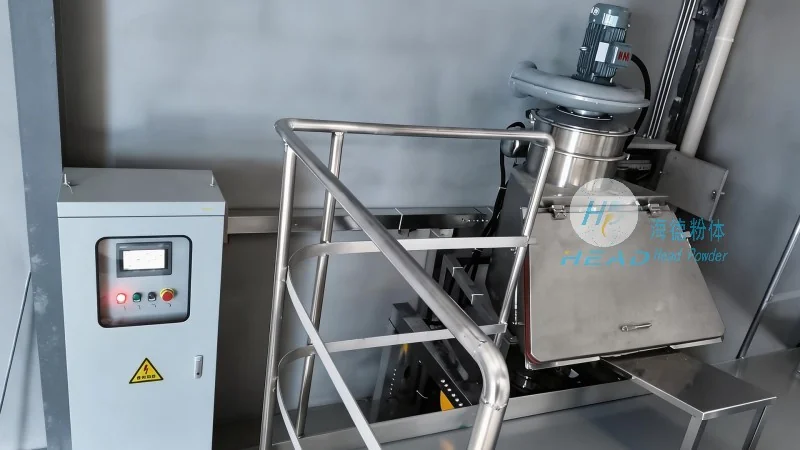
Working Principle of the Pneumatic Conveying System
The working principle of the potassium hydroxide pneumatic conveying system is based on the principles of fluid dynamics and particle transport. The system operates by creating a pressure differential between the hopper and the receiving end. The air compressor supplies compressed air to the conveying line, which creates a high-pressure environment at the inlet. The feeder then introduces the potassium hydroxide particles into the line, where they are entrained by the air stream. The air velocity in the pipeline is maintained above the minimum velocity required to keep the particles suspended, preventing deposition or blockage. The conveying process relies on the interaction between the air flow and the material particles, with the air providing the necessary kinetic energy to move the material through the system. The system's design ensures that the air and material are separated at the receiving end, with the air being discharged to the atmosphere or recirculated, while the material is collected for further use.
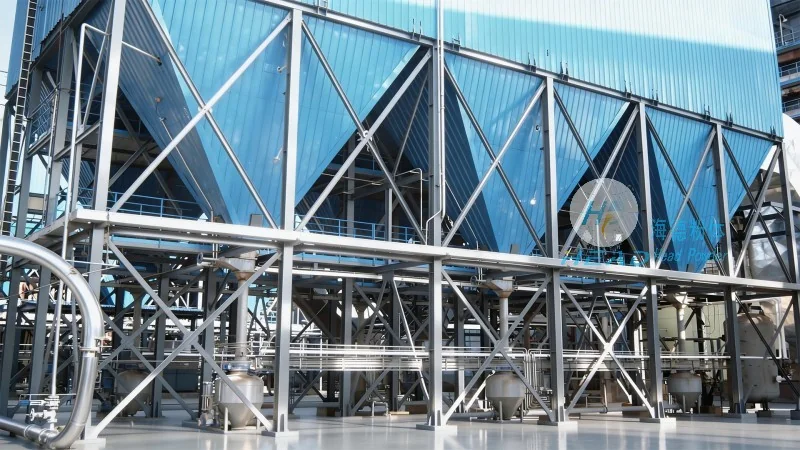
Advantages and Applications
The potassium hydroxide pneumatic conveying system offers several advantages in industrial applications. It provides a dust-free and clean operation, which is crucial for handling alkaline chemicals that can cause corrosion or health hazards. The system reduces the need for manual handling, minimizing labor costs and improving workplace safety. Additionally, the system can handle a wide range of material flow rates and can be easily integrated with existing production lines. The system is commonly used in chemical manufacturing, pharmaceuticals, and food processing industries, where the safe and efficient transport of potassium hydroxide is essential for production continuity.
Conclusion
Shandong HeadPowder Engineering Co., Ltd. provides comprehensive solutions for potassium hydroxide pneumatic conveying systems, combining advanced technology and professional expertise. The operation process and working principle of such systems are designed to ensure reliable and efficient material transport, meeting the demands of modern industrial applications. By understanding the key components and operational steps, users can optimize the performance of the system and enhance productivity in their operations.