

Operation Process and Working Principle of a Wet Nitrate Ammonium Gas-Solid Conveying System
Wet nitrate ammonium gas-solid conveying systems are specialized industrial equipment designed for the efficient and safe transportation of wet or damp ammonium nitrate materials. These systems are crucial in various industrial applications, particularly in the fertilizer and chemical processing sectors, where handling bulk solid materials with moisture content requires advanced pneumatic conveying technology.
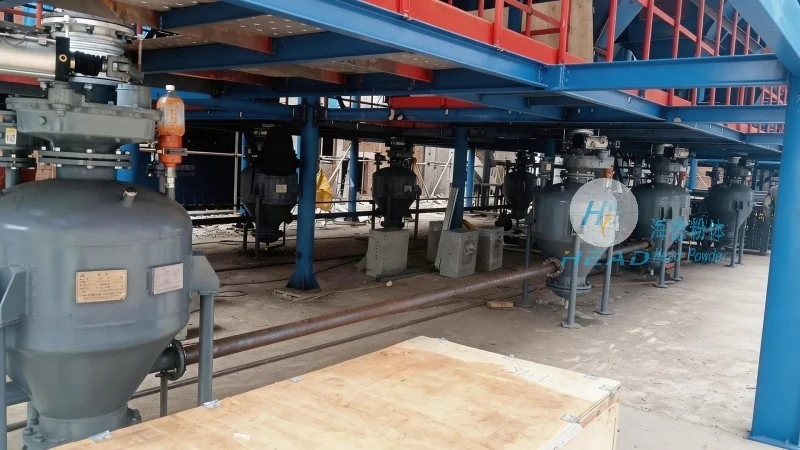
Overview of Wet Nitrate Ammonium Gas-Solid Conveying Systems
HeadPowder, a leading engineering company based in Shandong, China, specializes in the design, manufacturing, and installation of such systems. The company's expertise lies in developing customized solutions that meet the specific operational requirements of clients, ensuring optimal performance and reliability in transporting wet ammonium nitrate. The wet nitrate ammonium gas-solid conveying system operates by using a combination of air or gas as the conveying medium to move the solid material through a pipeline network. This method is particularly advantageous for materials that are difficult to handle using traditional mechanical conveyors, especially when moisture content is present, as it minimizes material degradation and reduces the risk of dust explosions.
Key Components and Their Functions
The wet nitrate ammonium gas-solid conveying system typically consists of several key components, each playing a vital role in the overall operation. The primary components include a material feeder, a conveying pipeline, a gas source (such as a blower or compressor), a control system, and a discharge unit. The material feeder is responsible for feeding the wet ammonium nitrate into the system at a controlled rate, ensuring a consistent flow of material. The conveying pipeline transports the material and air mixture from the feeder to the discharge point. The gas source provides the necessary pressure and volume of air to create the conveying velocity required to move the material through the pipeline. The control system monitors and regulates the flow of material and air, maintaining optimal operating conditions. The discharge unit collects the material at the end of the pipeline and directs it to the intended destination.
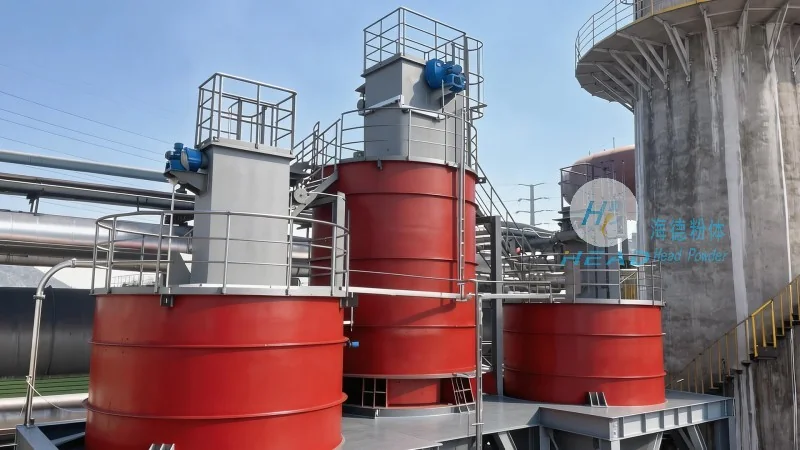
Operation Process of the Wet Nitrate Ammonium Gas-Solid Conveying System
The operation of the wet nitrate ammonium gas-solid conveying system follows a systematic process to ensure efficient material transport. Initially, the wet ammonium nitrate is fed into the material feeder. The feeder then meters the material at a predetermined rate, which is controlled by the system's control unit. Simultaneously, the gas source supplies a steady flow of air or gas into the pipeline. The air and material mixture is then conveyed through the pipeline under the pressure created by the gas source. As the mixture travels through the pipeline, the air velocity is maintained at a level sufficient to keep the material suspended and transported to the discharge point. The control system continuously monitors parameters such as pressure, flow rate, and material level, adjusting the gas flow or feeder speed as needed to maintain stable operation. Upon reaching the discharge unit, the material is collected and transferred to the next processing stage or storage area. The entire process is designed to be continuous and automated, minimizing human intervention and ensuring consistent performance.
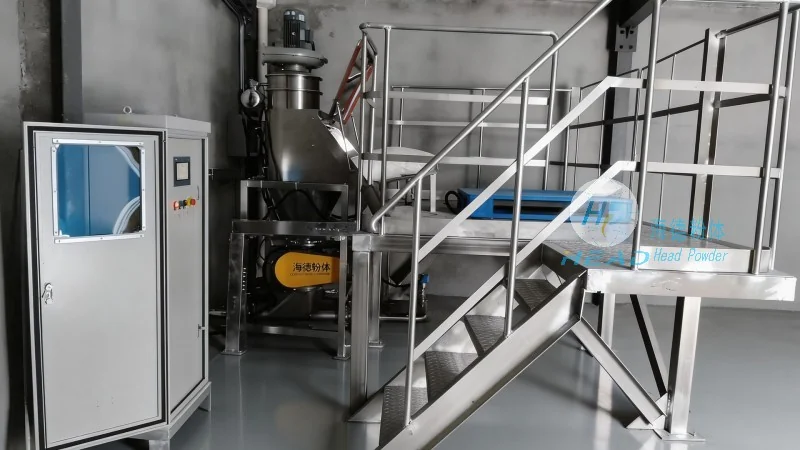
Working Principle of the Wet Nitrate Ammonium Gas-Solid Conveying System
The working principle of the wet nitrate ammonium gas-solid conveying system is based on the principles of pneumatic conveying, where the solid material is suspended and transported by the air flow within the pipeline. The system operates by creating a pressure differential between the inlet and outlet of the pipeline. The gas source generates a higher pressure at the inlet, which forces the air and material mixture to move through the pipeline towards the lower pressure outlet. The velocity of the air flow is critical; it must be sufficient to overcome the gravitational force acting on the solid particles and maintain them in suspension. This velocity is typically achieved by adjusting the gas flow rate or the diameter of the pipeline. The system's design ensures that the air velocity remains above the minimum conveying velocity required for the specific material and moisture content, preventing material deposition or blockages in the pipeline. Additionally, the system incorporates features such as air classifiers or cyclones at the discharge point to separate the material from the air, allowing for the recovery of the conveying medium and reducing energy consumption.
Benefits and Applications of Wet Nitrate Ammonium Gas-Solid Conveying Systems
Wet nitrate ammonium gas-solid conveying systems offer several advantages over traditional conveying methods, making them ideal for handling wet or damp ammonium nitrate. These benefits include improved material handling efficiency, reduced risk of material degradation due to moisture exposure, and enhanced safety by minimizing dust generation and explosion hazards. The systems are particularly suitable for applications where the material must be transported over long distances or through complex pipeline networks, such as in fertilizer production plants, chemical processing facilities, and mining operations. HeadPowder's systems are designed to handle varying moisture contents and material sizes, providing flexibility for different industrial needs. The company's commitment to quality and customization ensures that each system is tailored to meet the specific requirements of the client, resulting in optimal performance and cost-effectiveness.