

Operation Process and Working Principle of Melamine Powder Pneumatic Conveying System
For industries dealing with melamine powder, efficient and reliable material handling is crucial. The pneumatic conveying system designed by Shandong HeadPowder Engineering Co., Ltd., a company based in Shandong, China, offers a robust solution for transporting melamine powder, ensuring high performance and minimal operational issues. This article delves into the operation process and working principle of such a system, highlighting key components and the step-by-step procedures involved.
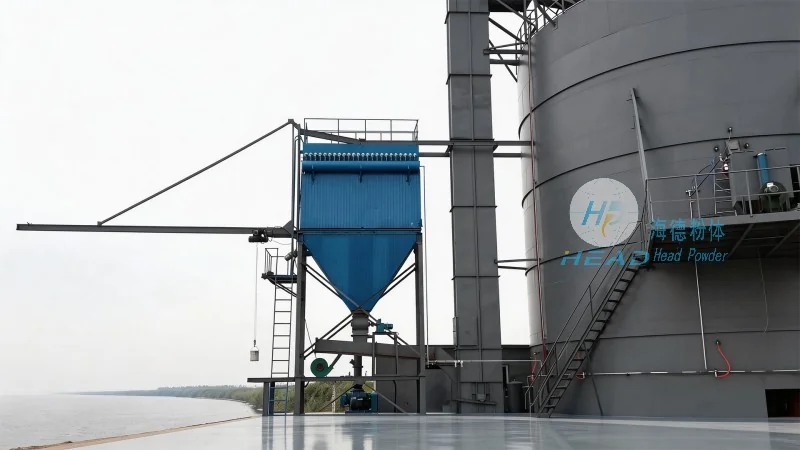
Overview of the Pneumatic Conveying System
The melamine powder pneumatic conveying system is engineered to transport bulk melamine powder from storage silos or processing units to various destinations like packaging lines or storage areas. The system utilizes air as the conveying medium, enabling the powder to be moved through pipelines without direct contact with mechanical components. This method not only reduces wear and tear but also maintains the purity of the melamine powder, which is critical for applications in the chemical and pharmaceutical industries.
Key Components of the System
The pneumatic conveying system consists of several essential components that work in tandem to ensure smooth operation. These include the hopper, feeder, air compressor, conveying pipeline, and receiver. Each component plays a vital role in the overall process:
1. **Hopper**: The hopper is the initial storage container where melamine powder is held before being fed into the system. It is designed with a conical bottom to facilitate uniform material flow and prevent clogging. The hopper is typically equipped with a discharge valve that controls the rate of powder release.
2. **Feeder**: The feeder is responsible for metering the melamine powder from the hopper into the conveying pipeline. It ensures a consistent flow rate, which is crucial for maintaining system efficiency and preventing pressure fluctuations. Different types of feeders, such as rotary valves or screw feeders, can be used depending on the specific requirements of the melamine powder and the system design.
3. **Air Compressor**: The air compressor generates the necessary air pressure to move the melamine powder through the pipeline. It is a critical component that determines the conveying capacity and distance. The choice of compressor type, whether positive displacement or centrifugal, depends on factors like the required pressure, flow rate, and the characteristics of the melamine powder.
4. **Conveying Pipeline**: The pipeline is the main pathway for transporting the melamine powder. It is typically made of materials like stainless steel or polyethylene, which are resistant to corrosion and abrasion from the melamine powder. The pipeline is designed with appropriate bends and fittings to ensure smooth flow and minimize pressure losses.
5. **Receiver**: The receiver is the final destination where the melamine powder is deposited after being conveyed through the pipeline. It is usually a storage silo or a collection bin, equipped with a discharge valve to control the release of the powder. The receiver is designed to handle the incoming flow rate and maintain a stable pressure within the system.
Operation Process of the Pneumatic Conveying System
The operation of the melamine powder pneumatic conveying system follows a systematic sequence of steps. Here is a detailed breakdown of the process:
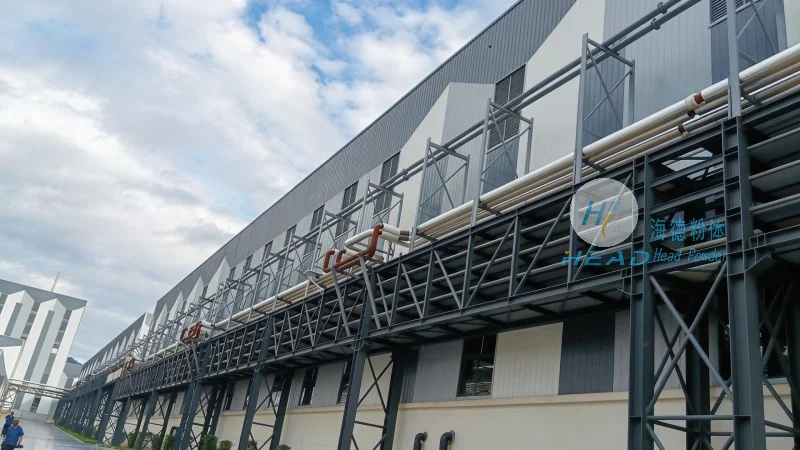
1. **Material Loading**: The melamine powder is loaded into the hopper from a bulk storage or processing unit. The hopper is filled to a level that allows for consistent feeding without overfilling.
2. **Feeding Initiation**: The feeder is activated, and it begins to discharge the melamine powder from the hopper into the conveying pipeline. The feeder maintains a constant flow rate, ensuring that the air compressor can handle the material without overloading.
3. **Air Compression and Conveying**: The air compressor starts operating, generating the required air pressure. The compressed air is introduced into the pipeline, creating a flow that carries the melamine powder particles along with it. The air velocity is maintained at a level that prevents particle segregation and ensures uniform transport.
4. **Transport to Receiver**: The melamine powder is transported through the pipeline to the receiver. The pipeline design, including bends and fittings, is optimized to minimize pressure losses and maintain the air-powder mixture's stability.
5. **Deposition and Storage**: Upon reaching the receiver, the melamine powder is deposited. The receiver's discharge valve is opened to allow the powder to be collected for further processing or packaging. The system then returns to the initial state, ready for the next cycle.
Working Principle of the Pneumatic Conveying System
The working principle of the melamine powder pneumatic conveying system is based on the interaction between the melamine powder particles and the air flow. The system operates on the principle of fluidization, where the air flow creates a suspension of the powder particles in the pipeline. This suspension allows the powder to be transported efficiently without the need for mechanical conveyors.
Key principles include:
1. **Air-Powder Suspension**: The air compressor provides sufficient air pressure to create a suspension of melamine powder particles. The velocity of the air is critical; it must be high enough to keep the particles in suspension but not so high as to cause excessive wear on the pipeline or components.
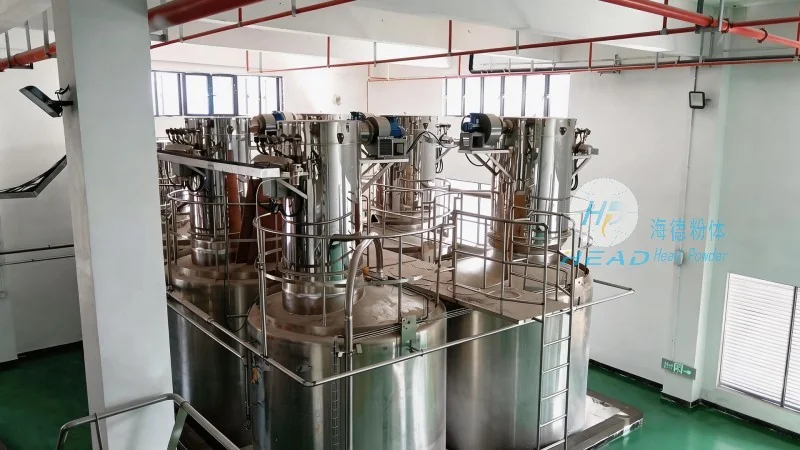
2. **Pressure and Flow Control**: The system maintains a consistent pressure and flow rate to ensure stable operation. Pressure sensors and flow meters are often used to monitor and adjust the air compressor output and feeder speed, ensuring optimal performance.
3. **Material Handling Efficiency**: The pneumatic conveying system efficiently handles melamine powder by minimizing material degradation and contamination. The absence of mechanical parts reduces the risk of particle breakage or mixing with foreign substances, which is essential for high-purity applications.
Benefits of the Melamine Powder Pneumatic Conveying System
The melamine powder pneumatic conveying system offers several advantages over traditional mechanical conveying methods. These benefits include:
1. **Reduced Maintenance**: Since there are no mechanical parts in direct contact with the melamine powder, the system requires less maintenance and has a longer service life.
2. **Improved Product Quality**: The system maintains the purity and quality of the melamine powder, making it suitable for sensitive applications in the chemical and pharmaceutical industries.
3. **Flexibility and Scalability**: The system can be easily scaled to handle different volumes of melamine powder and can be adapted to various production layouts and distances.
4. **Energy Efficiency**: Modern air compressors and system designs are optimized for energy efficiency, reducing operational costs and environmental impact.
Conclusion
The melamine powder pneumatic conveying system developed by Shandong HeadPowder Engineering Co., Ltd. is a reliable and efficient solution for handling melamine powder. By understanding the operation process and working principle, users can optimize the system for their specific needs, ensuring smooth and consistent material transport. With its robust design and benefits, this system is a valuable asset for industries relying on high-quality melamine powder handling.