

Operation Process and Working Principle of Carboxymethyl Cellulose Pneumatic Conveying System
Carboxymethyl cellulose (CMC) is a widely used chemical additive in various industrial applications, and the efficient handling of CMC powders is crucial for maintaining production efficiency and product quality. Pneumatic conveying systems have emerged as a reliable solution for transporting CMC, offering advantages such as dust-free operation, low maintenance, and the ability to handle fine powders. This article provides an in-depth look at the operation process and working principle of a carboxymethyl cellulose pneumatic conveying system, highlighting the key components, operational steps, and benefits of this technology.
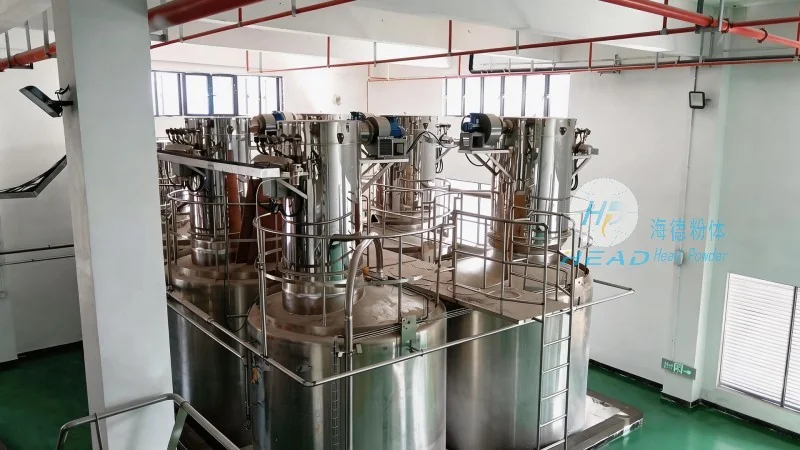
Key Components of the Pneumatic Conveying System
The carboxymethyl cellulose pneumatic conveying system consists of several critical components that work in tandem to ensure smooth and effective powder transport. The primary components include a hopper for material storage, a rotary airlock valve to control the flow of CMC into the system, a conveying pipeline, a venturi or pressure drop device to create the necessary airflow, and a receiver or collection tank to store the conveyed material. Each component plays a vital role in the overall functionality of the system, and their proper integration is essential for optimal performance.
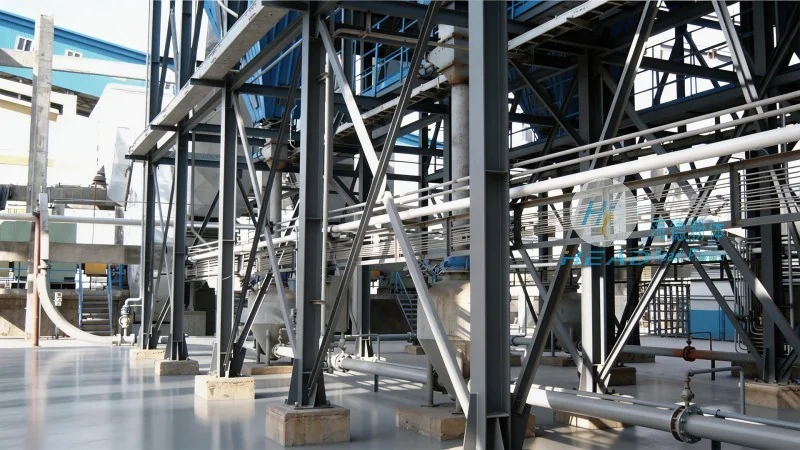
Working Principle of the Pneumatic Conveying Process
The operation of the carboxymethyl cellulose pneumatic conveying system follows a systematic process that involves several stages. First, the CMC powder is stored in the hopper, from which it is discharged into the system via a rotary airlock valve. This valve ensures a controlled and continuous flow of material, preventing blockages and maintaining consistent feed rates. Next, the material is introduced into the conveying pipeline, where it is mixed with high-velocity air generated by a blower or compressor. The venturi or pressure drop device creates a pressure differential that propels the powder-air mixture through the pipeline. As the mixture travels, the air velocity and pressure conditions are maintained to ensure the powder remains suspended and transported efficiently to the receiver. Finally, the material is deposited into the collection tank, and the air is either filtered and recirculated or vented to the atmosphere, depending on the system design.
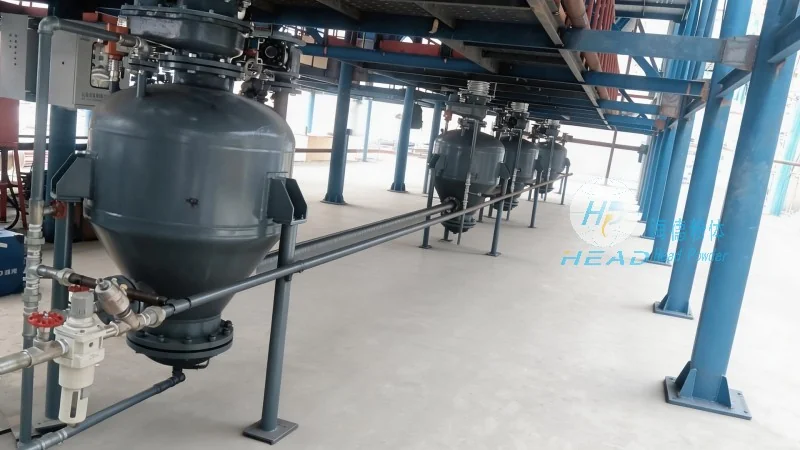
Operation Process and Step-by-Step Execution
The operation of the carboxymethyl cellulose pneumatic conveying system involves a series of steps that must be executed in the correct sequence to achieve reliable performance. The process begins with the preparation of the system, which includes checking the air supply, ensuring all valves are in the correct position, and verifying the condition of the conveying pipeline. Once the system is ready, the rotary airlock valve is opened to allow the CMC powder to enter the pipeline. The blower is then started, and the air flow is adjusted to the appropriate velocity for the specific powder characteristics. The venturi device is activated to create the necessary pressure drop, and the powder is conveyed through the pipeline to the receiver. During operation, the system parameters, such as air pressure and flow rate, are monitored to ensure optimal performance. If any issues arise, such as blockages or changes in powder flow, the system can be stopped and inspected to identify and resolve the problem. The entire process is designed to be automated to a large extent, reducing the need for manual intervention and minimizing the risk of human error.
Benefits and Advantages of Carboxymethyl Cellulose Pneumatic Conveying
Implementing a carboxymethyl cellulose pneumatic conveying system offers numerous benefits that enhance operational efficiency and product quality. One of the primary advantages is the ability to handle fine and cohesive powders, such as CMC, without the need for mechanical handling equipment that can cause product degradation or contamination. The system operates in a dust-free environment, which improves workplace safety and reduces the risk of dust-related health issues. Additionally, pneumatic conveying systems are relatively low maintenance, with fewer moving parts compared to other conveying methods, resulting in lower operational costs and longer equipment life. The system also provides flexibility in terms of layout and integration with existing production lines, allowing for easy expansion or modification as production needs change. Furthermore, the controlled flow and consistent feed rates ensure that the CMC powder is delivered to the processing equipment in a uniform manner, which is critical for maintaining product consistency and quality.
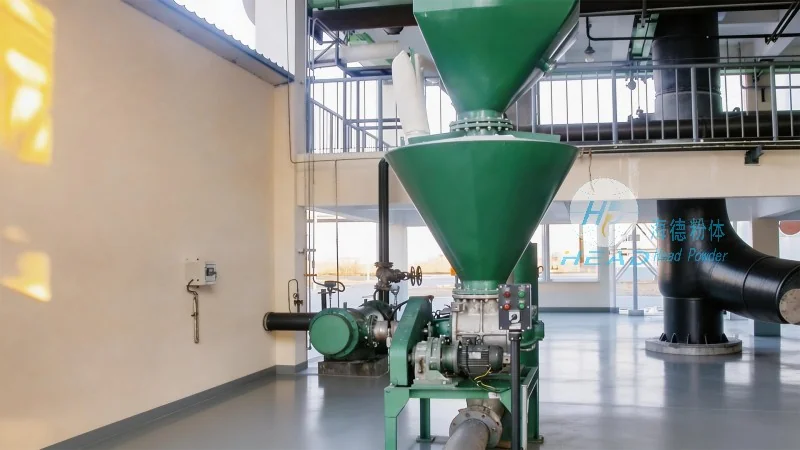
Applications and Industries Using Carboxymethyl Cellulose Pneumatic Conveying
Carboxymethyl cellulose pneumatic conveying systems are widely used in various industries that rely on CMC as an additive. These industries include pharmaceuticals, food and beverage, cosmetics, and construction materials. In the pharmaceutical industry, CMC is used as a binder or thickener in tablet formulations, and the pneumatic conveying system ensures that the powder is transported to the mixing and granulation equipment without contamination or degradation. In the food industry, CMC is used as a stabilizer in dairy products and beverages, and the system maintains the quality of the powder during transport. The construction industry uses CMC as a binder in cement and concrete mixes, and the pneumatic conveying system allows for efficient handling of the powder in large-scale production facilities. The versatility of the carboxymethyl cellulose pneumatic conveying system makes it suitable for a wide range of applications, and its ability to handle fine powders with precision makes it an essential component in many industrial processes.