

Operation Process and Working Principle of Plug Flow Powder Conveying Lines
For industries dealing with bulk powder handling, efficient and reliable material transport is crucial. Plug flow powder conveying lines, a specialized system designed for transporting powders in a plug flow manner, offer a solution that ensures consistent performance and minimal material degradation. This article delves into the operation process and working principle of such systems, highlighting the technical aspects and practical applications.
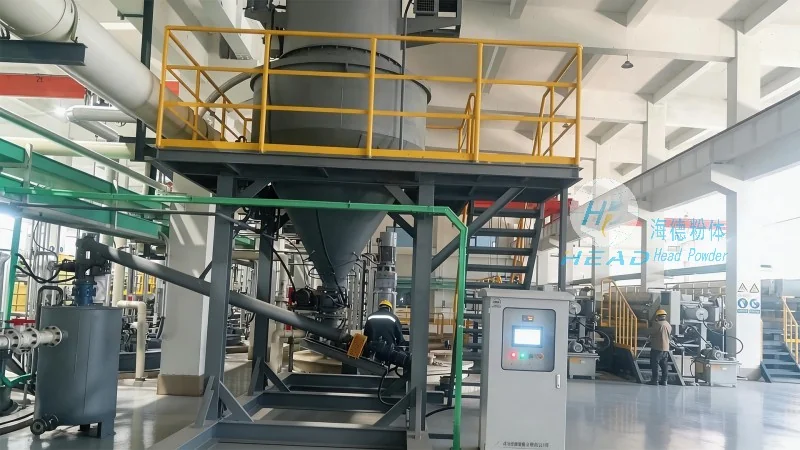
Introduction to Plug Flow Powder Conveying Lines
Plug flow powder conveying lines are engineered to transport dry powders, granules, or other particulate materials through a pipeline using a plug flow mechanism. Unlike traditional pneumatic conveying systems that may cause segregation or degradation, plug flow systems maintain the integrity of the material by moving it in a dense, continuous plug. This approach is particularly beneficial for sensitive materials that require gentle handling, such as pharmaceuticals, food products, or fine chemicals.
Company Overview: Shandong HeadPowder Engineering Co., Ltd.
HeadPowder, a leading manufacturer in the field of powder handling equipment, specializes in designing and manufacturing advanced conveying systems. With a strong commitment to quality and innovation, the company has established itself as a trusted partner for industries seeking reliable solutions for their bulk material transport needs. HeadPowder's products are engineered to meet international standards and are tailored to the specific requirements of each client, ensuring optimal performance and longevity.
Key Components of Plug Flow Powder Conveying Lines
The plug flow powder conveying line consists of several key components that work in tandem to achieve efficient material transport. These components include the feeding hopper, the conveying pipeline, the plug forming device, the air supply system, and the control unit. Each component plays a critical role in the overall operation of the system.
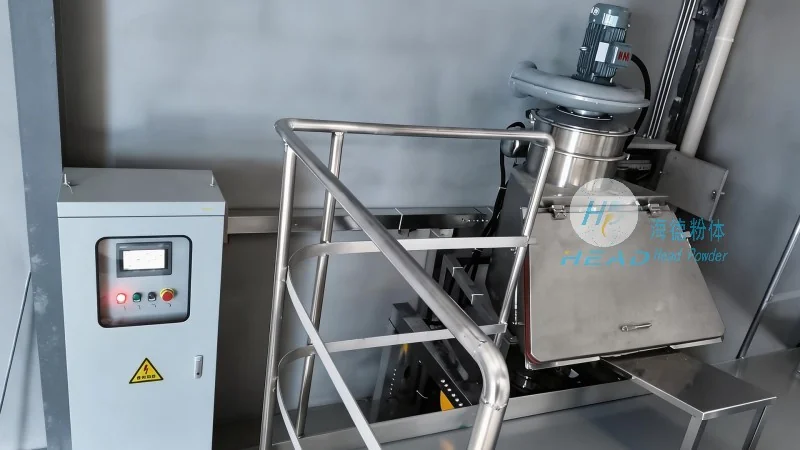
Operation Process of Plug Flow Powder Conveying Lines
The operation process of a plug flow powder conveying line involves several sequential steps. Initially, the material is fed into the hopper from a storage silo or a batch container. The hopper is designed to ensure a uniform flow of material into the pipeline, preventing blockages or uneven distribution. Once the material reaches the pipeline, it is introduced into the plug forming device, which uses a combination of air pressure and mechanical action to create a dense plug of material.
As the plug moves through the pipeline, it is propelled forward by the air pressure generated by the air supply system. The control unit monitors the flow rate and pressure, adjusting the air supply as needed to maintain a stable plug. The plug continues to travel through the pipeline until it reaches the discharge point, where it is released into the receiving container or processing unit. The entire process is automated, with minimal human intervention required, ensuring consistent and reliable operation.
Working Principle of Plug Flow Powder Conveying Lines
The working principle of plug flow powder conveying lines is based on the principle of plug flow, where the material is transported as a dense, continuous plug rather than as individual particles suspended in air. This approach minimizes the risk of material degradation, segregation, or loss due to air turbulence. The system operates by creating a high-pressure air column that pushes the material plug forward, while maintaining a low-pressure environment at the discharge end to prevent backflow.
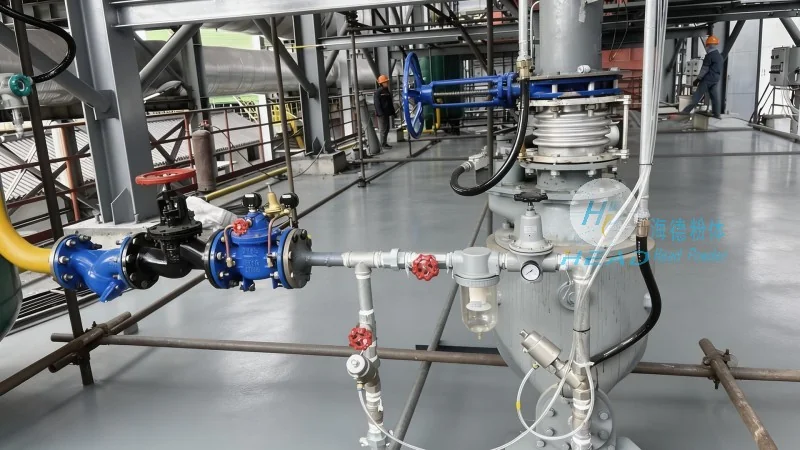
The plug forming device is a critical component that ensures the material forms a stable plug. It typically consists of a valve or a series of orifices that control the flow of material into the pipeline. By adjusting the orifice size and air pressure, the system can control the density and velocity of the plug. The air supply system provides the necessary pressure to move the plug, while the control unit ensures that the pressure and flow rate are maintained within optimal ranges.
Advantages of Plug Flow Powder Conveying Lines
Plug flow powder conveying lines offer several advantages over traditional conveying systems. One of the primary benefits is the ability to handle sensitive materials without causing degradation or segregation. The dense plug flow minimizes the exposure of the material to air, reducing the risk of oxidation or moisture absorption. Additionally, the system is highly efficient, with minimal energy consumption compared to other conveying methods.
Another advantage is the reduced risk of material loss or contamination. The closed pipeline system prevents dust emissions and ensures that the material remains within the system, reducing the need for additional cleaning or maintenance. The plug flow mechanism also allows for precise control over the flow rate, enabling accurate dosing and processing. These advantages make plug flow powder conveying lines an ideal choice for industries that require high-quality, consistent material transport.
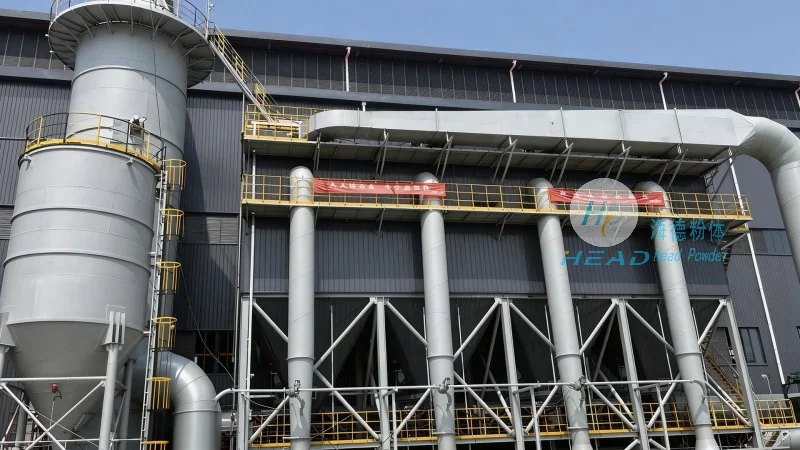
Applications and Industries
Plug flow powder conveying lines are widely used in various industries, including pharmaceuticals, food processing, chemical manufacturing, and mining. In the pharmaceutical industry, these systems are used to transport active pharmaceutical ingredients (APIs) and excipients, ensuring that the materials remain pure and free from contamination. In the food industry, they are used to transport ingredients such as flour, sugar, and spices, maintaining the quality and freshness of the products.
In the chemical industry, plug flow systems are used to transport fine chemicals and powders, preventing degradation and ensuring consistent performance. The mining industry also benefits from these systems, as they are used to transport ore and other bulk materials from processing plants to storage facilities. The versatility and reliability of plug flow powder conveying lines make them suitable for a wide range of applications.
Conclusion
Plug flow powder conveying lines are an advanced and efficient solution for bulk material transport, offering superior performance and reliability compared to traditional systems. With their ability to handle sensitive materials and maintain material integrity, these systems are essential for industries that require high-quality, consistent material handling. HeadPowder, as a leading manufacturer in this field, provides cutting-edge plug flow powder conveying lines that meet the specific needs of each client, ensuring optimal performance and longevity.