

Operation Process and Working Principle of Bottom-Discharge Powder Conveying Line
For industrial applications that require efficient and reliable powder handling, bottom-discharge powder conveying lines offer a robust solution. These systems are integral to processes in various industries, including chemical, pharmaceutical, food, and mining, where the seamless transfer of bulk powders is critical to operational efficiency. This article delves into the operation process and working principle of such lines, highlighting the technical aspects and practical applications that make them indispensable in modern manufacturing.
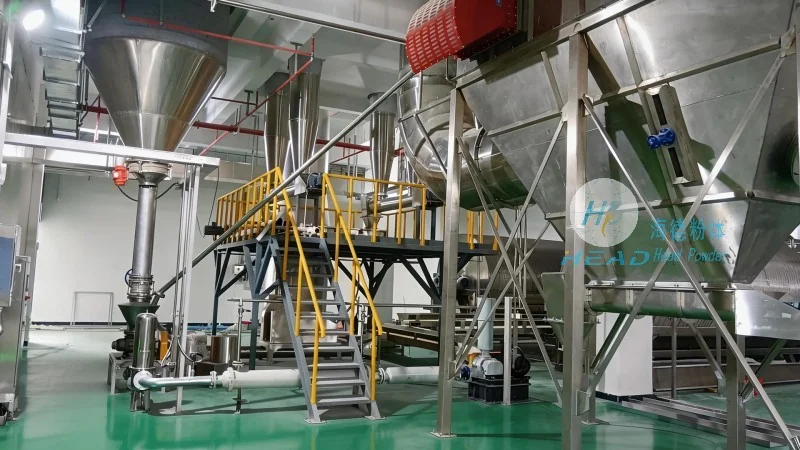
About Shandong HeadPowder Engineering Co., Ltd.
Shandong HeadPowder Engineering Co., Ltd., a leading manufacturer based in China, specializes in the design, development, and installation of advanced powder handling equipment. With a strong commitment to quality and innovation, the company has established itself as a trusted partner for businesses seeking reliable solutions for their bulk material transport needs. HeadPowder's expertise lies in creating customized systems that meet the specific requirements of clients, ensuring optimal performance and durability in demanding industrial environments.
Introduction to Bottom-Discharge Powder Conveying Lines
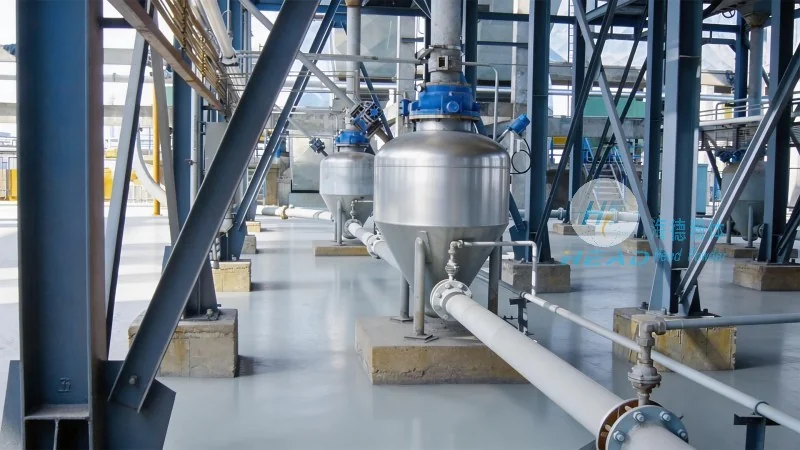
Bottom-discharge powder conveying lines are engineered to transport dry bulk materials from storage silos or hoppers to processing units or packaging areas. The system typically consists of a hopper, a conveyor mechanism, and a discharge outlet located at the bottom of the hopper. This design allows for controlled and continuous material flow, minimizing the risk of clogging and ensuring consistent throughput. The technology is particularly suited for powders with varying particle sizes and moisture content, making it versatile for a wide range of applications.
The Operation Process of Bottom-Discharge Powder Conveying Lines
The operation of a bottom-discharge powder conveying line involves several key steps that ensure smooth and efficient material transfer. Initially, the bulk powder is stored in a hopper, which is designed to accommodate the material's characteristics, such as density and flowability. As the material is needed for processing, a conveyor system, often a screw conveyor or a pneumatic line, is activated to draw the powder from the hopper. The conveyor mechanism then transports the powder to the discharge point, where it is released into the next stage of the production process. This process is typically automated, with sensors and control systems monitoring the flow rate and ensuring that the system operates within safe and efficient parameters.
Working Principle of the System
The working principle of a bottom-discharge powder conveying line is based on the principles of gravity and mechanical force. The hopper is positioned at an appropriate height to allow gravity to assist in the material flow, reducing the energy required for transport. The conveyor system, whether mechanical or pneumatic, provides the necessary force to move the powder from the hopper to the discharge point. In mechanical systems, a rotating screw or auger pushes the material forward, while in pneumatic systems, compressed air creates a flow that carries the powder through the line. The design of the hopper and the conveyor ensures that the material is conveyed without excessive pressure or friction, minimizing the risk of degradation or segregation of the powder.
Key Components and Their Functions
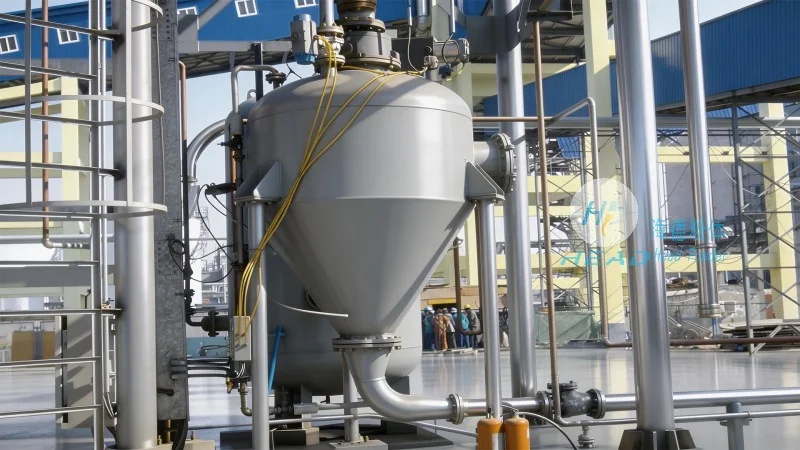
Several critical components work in tandem to ensure the effective operation of a bottom-discharge powder conveying line. The hopper, typically made of stainless steel or other corrosion-resistant materials, stores the bulk powder and provides a stable base for the system. The hopper's design, including its angle and smooth interior, is crucial for preventing material buildup and ensuring free flow. The conveyor mechanism, which may be a screw conveyor, belt conveyor, or pneumatic line, is responsible for transporting the powder from the hopper to the discharge point. The discharge outlet, located at the bottom of the hopper, allows the material to exit the system in a controlled manner. Additionally, control systems, including sensors and valves, monitor the flow rate and adjust the system's operation as needed to maintain optimal performance.
Advantages of Bottom-Discharge Powder Conveying Lines
Bottom-discharge powder conveying lines offer several advantages that make them a preferred choice for industrial applications. One of the primary benefits is their ability to handle a wide range of powder types, including those with varying particle sizes and moisture content. The system's design minimizes the risk of clogging and material degradation, ensuring consistent product quality. Additionally, the automated operation reduces labor costs and improves safety by minimizing human interaction with the material handling process. The compact design of the system also allows for easy integration into existing production lines, making it a flexible solution for businesses with limited space. Furthermore, the system's energy efficiency, particularly in mechanical designs, reduces operational costs and contributes to environmental sustainability.
Applications in Various Industries
Bottom-discharge powder conveying lines are widely used across multiple industries due to their versatility and reliability. In the chemical industry, these systems are used to transport raw materials and finished products, ensuring smooth production processes. In the pharmaceutical sector, the system's ability to handle powders with strict quality control requirements makes it ideal for drug manufacturing and packaging. The food industry also benefits from these systems, as they can handle food-grade powders while maintaining hygiene standards. Additionally, in the mining and mineral processing industries, bottom-discharge lines are used to transport bulk materials from storage to processing units, improving overall operational efficiency.
Quality Assurance and Maintenance
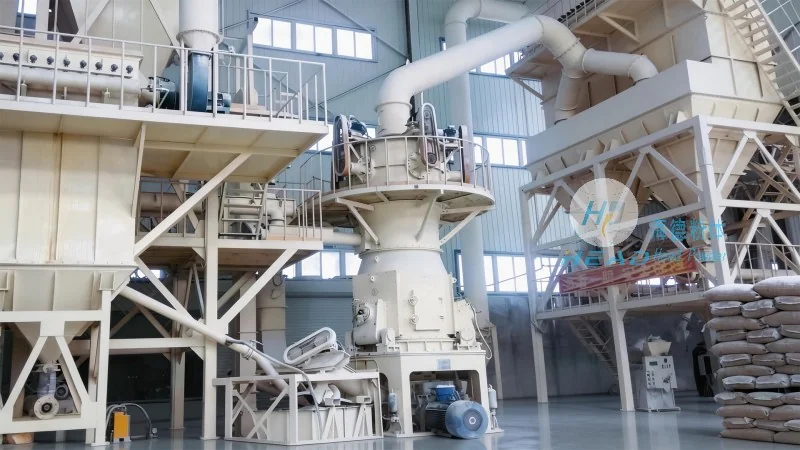
Shandong HeadPowder Engineering Co., Ltd. places a strong emphasis on quality assurance throughout the design, manufacturing, and installation of bottom-discharge powder conveying lines. The company adheres to international standards and uses high-quality materials to ensure the durability and longevity of the equipment. Regular maintenance is also crucial to the system's performance, and HeadPowder provides comprehensive maintenance services to clients, including routine inspections, component replacement, and troubleshooting. By maintaining the system, businesses can ensure consistent performance, minimize downtime, and extend the lifespan of their equipment.
Conclusion
Bottom-discharge powder conveying lines are essential components in modern industrial operations, providing efficient and reliable transport of bulk powders. The operation process and working principle of these systems are designed to optimize material flow while minimizing risks and costs. With the expertise of companies like Shandong HeadPowder Engineering Co., Ltd., businesses can access high-quality, customized systems that meet their specific needs. By understanding the technical aspects and advantages of bottom-discharge powder conveying lines, industries can enhance their operational efficiency and ensure consistent product quality.