

Operation Process and Working Principle of PVC Powder Conveying Machines
At Shandong HeadPowder Engineering Co., Ltd., we specialize in the design and manufacturing of efficient PVC powder conveying systems. These machines are crucial for industries dealing with PVC powders, as they ensure safe, reliable, and efficient material handling. The operation process and working principle of these machines are fundamental to their performance and reliability in various industrial applications.
Key Components of PVC Powder Conveying Systems
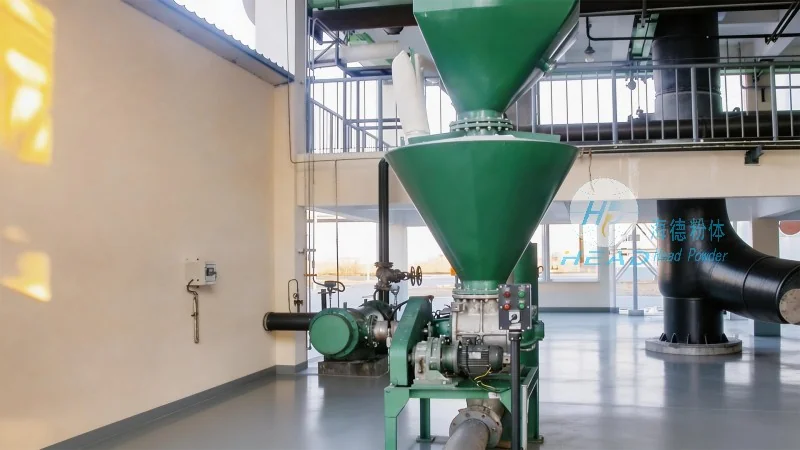
The PVC powder conveying machine typically consists of several key components that work in tandem to transport powders. These include the hopper for material storage, a feeding mechanism to control the flow of powder, a conveyor system (such as a screw or pneumatic conveyor), and a control panel for monitoring and adjusting the operation. Each component plays a vital role in maintaining the efficiency and safety of the entire system.
Operation Process of PVC Powder Conveying Machines
The operation process of a PVC powder conveying machine begins with the loading of PVC powder into the hopper. The feeding mechanism then regulates the flow of powder into the conveyor system. Depending on the type of conveyor (e.g., screw or pneumatic), the powder is transported through the system. The screw conveyor uses rotating screws to push the powder forward, while pneumatic conveyors use air pressure to move the powder through a pipeline. The control panel allows operators to adjust the speed and flow rate to meet the specific requirements of the application. This process ensures that the PVC powder is transported from the source to the destination without any blockages or spills.
Working Principle of PVC Powder Conveying Machines
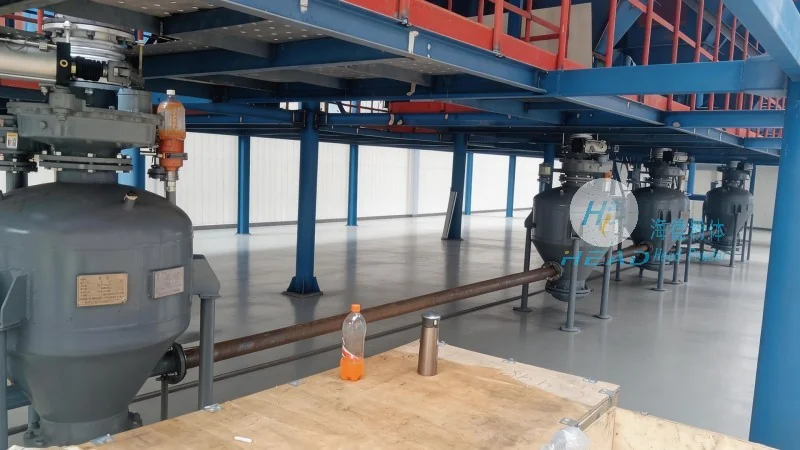
The working principle of PVC powder conveying machines is based on the principles of fluidization and mechanical transport. For screw conveyors, the rotating screw creates a helical path that moves the powder forward due to friction and gravity. The speed of the screw and the pitch of the helix are critical factors that determine the conveying capacity and efficiency. For pneumatic conveyors, the principle of air flow is utilized. The powder is mixed with air and transported through the pipeline. The pressure and velocity of the air determine the flow rate and the distance the powder can be conveyed. The system also includes filters and separators to prevent dust and moisture from affecting the powder quality.
Advantages of Using PVC Powder Conveying Machines
Using PVC powder conveying machines offers several advantages over traditional manual handling methods. These include improved safety by reducing the risk of dust exposure and accidents, increased efficiency by automating the material handling process, and enhanced product quality by minimizing contamination and moisture. The machines are also designed to handle various types of PVC powders, including those with different particle sizes and moisture content. This flexibility makes them suitable for a wide range of industrial applications, from manufacturing to construction.
Applications of PVC Powder Conveying Machines
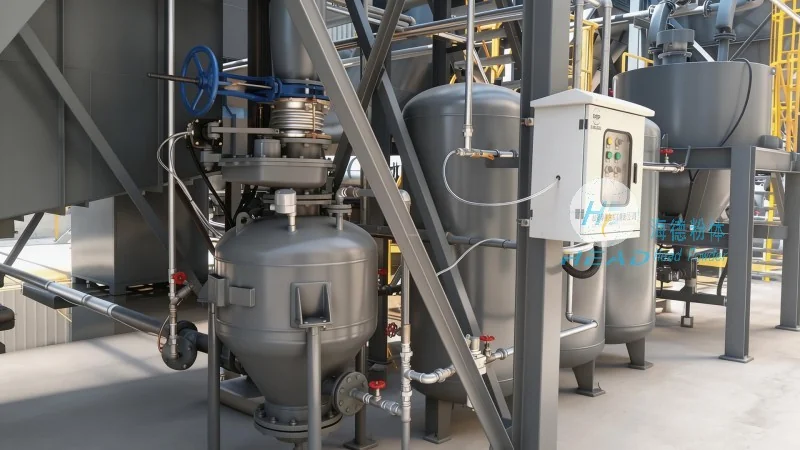
PVC powder conveying machines are widely used in various industries, including the plastic manufacturing industry, construction, and chemical processing. In the plastic industry, they are used to transport PVC powders for the production of pipes, sheets, and other products. In construction, they are used to transport PVC powders for roofing and siding applications. In chemical processing, they are used to transport PVC powders for the production of adhesives and coatings. The versatility of these machines makes them an essential part of many industrial processes.
Maintenance and Troubleshooting of PVC Powder Conveying Machines
Regular maintenance is crucial to ensure the optimal performance and longevity of PVC powder conveying machines. This includes cleaning the hopper and conveyor system to prevent powder buildup, checking the condition of the screws or air lines, and inspecting the control panel for any issues. Common troubleshooting issues include blockages in the conveyor, which can be caused by powder clumping or foreign objects. These issues can be resolved by adjusting the feeding rate, cleaning the system, or replacing worn parts. Proper maintenance and troubleshooting ensure that the machine operates efficiently and safely.