

Operation Process and Working Principle of Nitrile Rubber Material Pneumatic Conveying Equipment
For industrial applications involving nitrile rubber, efficient material handling is crucial to maintain production efficiency and product quality. Pneumatic conveying equipment offers a reliable solution for transporting nitrile rubber and other similar materials, ensuring minimal contamination and high throughput. This article explores the operation process and working principle of such equipment, providing insights into how it functions and the steps involved in its operation.
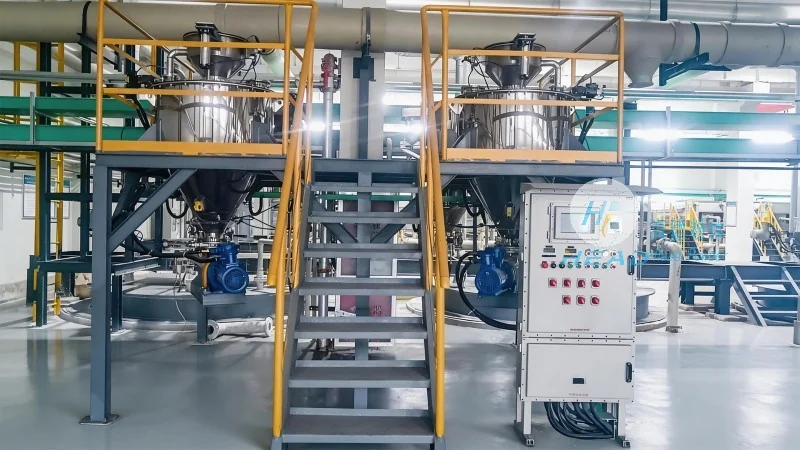
Introduction to Nitrile Rubber Material Pneumatic Conveying Equipment
Nitrile rubber, also known as Buna-N, is a synthetic polymer widely used in various industries due to its excellent resistance to oil, fuel, and chemicals. Handling this material requires specialized equipment that can maintain its integrity and prevent degradation during transport. Pneumatic conveying systems are designed to meet these requirements by using air or other gases to move the material through a pipeline system. These systems are particularly suitable for nitrile rubber because they offer a clean, dust-free environment that preserves the material's properties.
Working Principle of Pneumatic Conveying Systems
The core principle of pneumatic conveying is the use of differential pressure to move material through a pipeline. The system typically consists of a blower or compressor that generates the necessary air pressure, a hopper or feeder to introduce the material, and a pipeline network that transports the material to the discharge point. The process involves several key components and steps:
1. Air Supply and Pressure Generation: A blower or compressor provides the motive force by creating a high-pressure air stream. The pressure level is adjusted based on the material's characteristics, such as density and particle size, to ensure optimal conveying efficiency.
2. Material Feeding: The nitrile rubber material is fed into the system from a hopper or feeder. The feeder may be a rotary valve or a screw conveyor that controls the flow rate of the material into the pipeline.
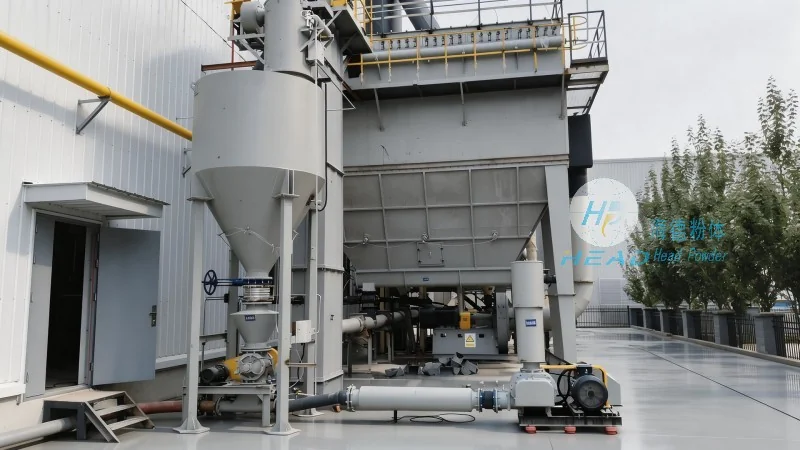
3. Conveying: As the material enters the pipeline, it is entrained by the high-velocity air stream. The air and material mixture travels through the pipeline, with the air providing the necessary force to move the material. The pipeline design, including bends and fittings, is optimized to minimize pressure loss and maintain consistent flow.
4. Separation and Discharge: At the discharge point, the air and material mixture is separated. The material is collected in a receiving hopper or container, while the air is either filtered and recirculated or vented to the atmosphere. This separation step is critical to prevent material loss and ensure clean operation.
Operation Process of Nitrile Rubber Material Handling
The operation of a nitrile rubber material pneumatic conveying system follows a systematic process to ensure smooth and continuous operation. The steps involved are as follows:
1. System Preparation: Before starting the operation, the system is prepared by checking the air supply, ensuring the hopper is filled with nitrile rubber, and verifying that all components are properly lubricated and aligned. This step helps prevent equipment damage and ensures the system operates at peak efficiency.
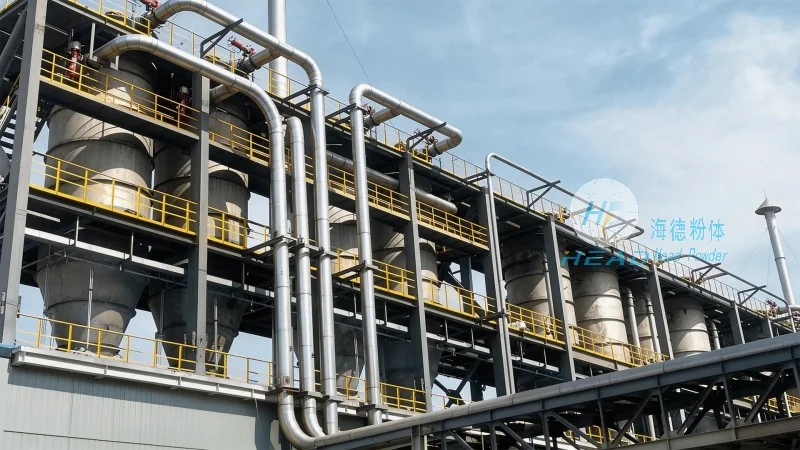
2. Start-up Sequence: The operation begins with the activation of the blower or compressor, followed by the start of the feeder. The air pressure is gradually increased to the desired level, and the material flow is initiated. The system is monitored for any abnormal sounds or pressure fluctuations during the start-up phase.
3. Continuous Operation: Once the system is running, the material is continuously fed into the pipeline, and the conveying process continues. The flow rate is adjusted as needed to match production requirements, and the system is monitored for any changes in material properties or air pressure. Regular checks are performed to ensure the system is operating within the specified parameters.
4. Shutdown Procedure: When the operation is complete, the system is shut down in a controlled manner. The blower or compressor is turned off first, followed by the feeder. The pipeline is depressurized to prevent material buildup and ensure safe handling. The hopper and receiving container are emptied, and the system is cleaned to maintain its performance for the next use.
Key Considerations for Nitrile Rubber Pneumatic Conveying
When operating pneumatic conveying equipment for nitrile rubber, several factors must be considered to ensure optimal performance and longevity of the system. These include:
1. Material Properties: The characteristics of nitrile rubber, such as its density, particle size, and moisture content, affect the conveying efficiency. Proper selection of the blower pressure and pipeline diameter is essential to achieve the desired flow rate.
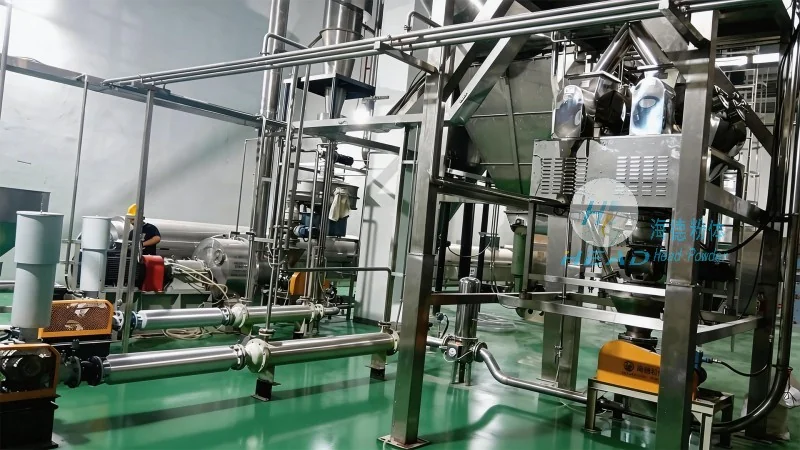
2. System Design: The design of the pneumatic conveying system, including the number of bends, pipeline length, and fittings, impacts the pressure drop and overall efficiency. A well-designed system minimizes energy consumption and ensures consistent material transport.
3. Maintenance and Cleaning: Regular maintenance, including cleaning of the hopper, feeder, and pipeline, is crucial to prevent material buildup and maintain the system's performance. Proper maintenance schedules help extend the equipment's lifespan and reduce downtime.
4. Safety Measures: Pneumatic conveying systems involve high-pressure air and moving parts, so safety measures must be in place to protect operators. This includes proper ventilation, emergency shut-off valves, and regular safety inspections.
Conclusion
Pneumatic conveying equipment provides an efficient and reliable method for handling nitrile rubber materials, ensuring minimal contamination and high throughput. The operation process involves careful preparation, controlled start-up, continuous monitoring, and proper shutdown procedures. By understanding the working principle and key considerations, industrial facilities can optimize their material handling processes and improve overall production efficiency. For companies seeking advanced pneumatic conveying solutions for nitrile rubber, Shandong HeadPowder Engineering Co., Ltd. offers specialized equipment and expertise to meet their specific needs.