

Operation Process and Working Principle of Silica Material Pneumatic Conveying Equipment
HeadPowder, a leading manufacturer based in Shandong, China, specializes in the design and production of advanced pneumatic conveying systems tailored for handling silica materials. This article provides a detailed overview of the operational process and underlying principles of such equipment, emphasizing the technical aspects and practical applications in industrial settings.
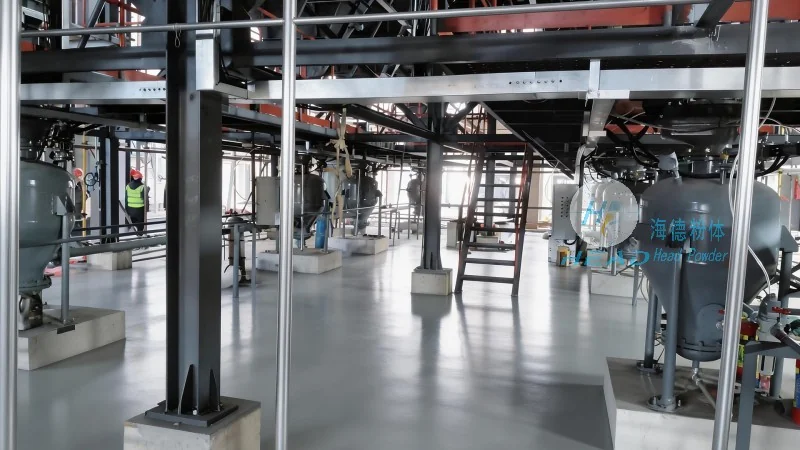
Key Components of Pneumatic Conveying Systems
The core components of a silica material pneumatic conveying system typically include a hopper for material storage, a feeder to control the flow rate, a conveying pipeline, a blower or compressor to generate the necessary air pressure, and a receiver for the discharged material. Each component plays a critical role in ensuring efficient and reliable material transport. The hopper is designed to hold the silica powder, preventing clogging and maintaining a consistent feed. The feeder, often a rotary valve or screw feeder, regulates the material discharge rate, which is crucial for controlling the air flow and preventing overloading the system. The conveying pipeline, usually made of stainless steel or other corrosion-resistant materials, transmits the material and air mixture. The blower or compressor provides the motive force, creating the pressure differential required to move the material through the pipeline. Finally, the receiver collects the conveyed silica, separating it from the air before discharge.
Operation Process of Silica Material Pneumatic Conveying
The operation process of a silica material pneumatic conveying system involves several sequential steps. Initially, the silica powder is loaded into the hopper from a storage silo or bulk container. The feeder then starts, gradually releasing the material into the conveying pipeline. Simultaneously, the blower activates, generating a high-pressure air stream that travels through the pipeline. As the air flows, it entrains the silica particles, forming a dense or dilute phase mixture depending on the system design. The mixture travels through the pipeline to the receiver, where the air is separated from the material. The air may be filtered and recycled back to the blower, while the silica is collected in the receiver. This continuous cycle ensures the smooth and uninterrupted transport of silica material from the source to the destination. The system can operate in both positive and negative pressure modes, with positive pressure being more common for long-distance or high-capacity applications, as it allows for better control over the air flow and material transport.
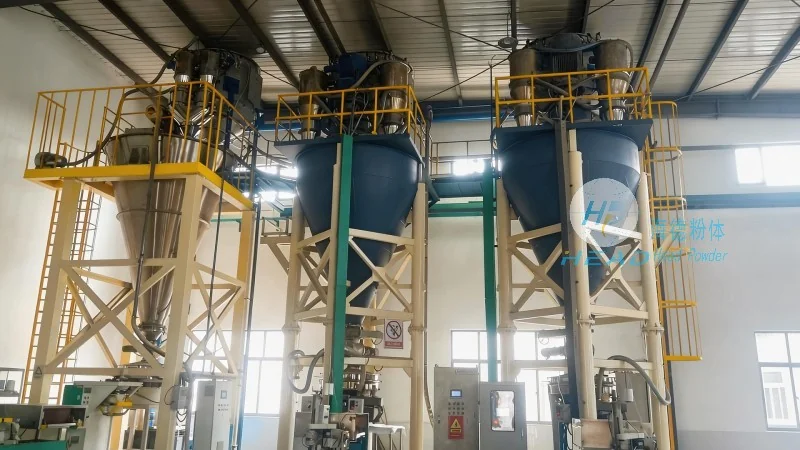
Working Principle of Pneumatic Conveying
The working principle of pneumatic conveying for silica materials is based on the physics of fluid dynamics and particle motion. In a positive pressure system, the blower creates a high-pressure air stream that pushes the material through the pipeline. The air velocity must be sufficient to overcome the gravitational force and the frictional resistance within the pipeline, ensuring that the silica particles are suspended and transported. The key parameters affecting the conveying performance include air velocity, material feed rate, pipeline diameter, and system length. Proper design of these parameters is essential to prevent issues such as material deposition, blockages, or excessive pressure drops. In a negative pressure system, the receiver is under vacuum, and the blower draws air and material from the hopper and feeder, pulling the mixture through the pipeline. This mode is often used for applications requiring dust control or where the material needs to be transported from a higher to a lower elevation. The working principle remains consistent, focusing on the interaction between the air flow and the silica particles to achieve efficient transport.
Advantages of Pneumatic Conveying for Silica Materials
Pneumatic conveying systems offer several advantages when handling silica materials. Firstly, they provide a dust-free and enclosed transport process, which is critical for maintaining a clean working environment and preventing contamination of the material. Unlike mechanical conveying methods, such as belt or screw conveyors, pneumatic systems do not come into direct contact with the material, reducing the risk of contamination and wear. Secondly, these systems are highly flexible and can be easily integrated into existing production lines. They can transport silica from multiple sources to various destinations, adapting to different operational requirements. Thirdly, pneumatic conveying is suitable for handling a wide range of particle sizes and moisture contents, making it versatile for different silica applications. Additionally, the system can be designed for both short and long-distance transport, with the ability to handle high material capacities efficiently. The enclosed nature of the system also helps in controlling dust emissions, which is important for environmental compliance and worker safety.
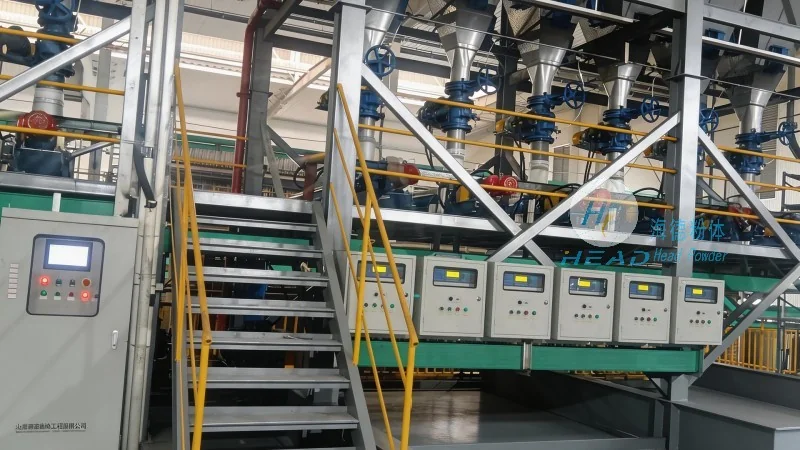
Applications in Industrial Settings
Silica material pneumatic conveying equipment is widely used in various industrial sectors, including chemical, pharmaceutical, food, and mining industries. In the chemical industry, it is used for transporting silica-based raw materials for the production of silicones, ceramics, and other products. The pharmaceutical industry employs such systems to handle silica powders used as excipients or fillers in drug formulations, ensuring a clean and hygienic process. The food industry utilizes pneumatic conveying for transporting silica-based additives or anti-caking agents in food processing plants. In the mining sector, silica materials are conveyed from processing plants to storage facilities or for further processing. The versatility and efficiency of pneumatic conveying make it an ideal solution for these applications, as it can handle large volumes of material while maintaining product quality and safety.
Maintenance and Operational Considerations
Proper maintenance is essential to ensure the reliable and efficient operation of silica material pneumatic conveying systems. Regular inspection of the hopper, feeder, and pipeline for any signs of wear or blockage is crucial. The blower or compressor should be checked for proper air pressure and flow rates, as any deviations can affect the conveying performance. Filters and separators should be cleaned or replaced regularly to prevent clogging and maintain air quality. The system should also be checked for leaks in the pipeline or connections, as even small leaks can lead to pressure drops and reduced conveying efficiency. Additionally, the material feed rate should be adjusted according to the system's capacity to avoid overloading or underloading. Proper training of operators on the system's operation and maintenance is also important to ensure safe and efficient operation. By following these maintenance and operational guidelines, the system can operate at optimal performance, minimizing downtime and maximizing material throughput.