

Operation Process and Working Principle of Gravity Dust Removal Material Pneumatic Conveying Equipme
HeadPowder, a leading manufacturer based in Shandong, China, specializes in the design, production, and supply of advanced gravity dust removal material pneumatic conveying equipment. This equipment is engineered to efficiently handle and transport fine dust and particulate materials, playing a crucial role in industrial processes that require precise material handling and air filtration. The following sections will detail the operational process and working principles of this equipment, highlighting its key components, functionality, and practical applications.
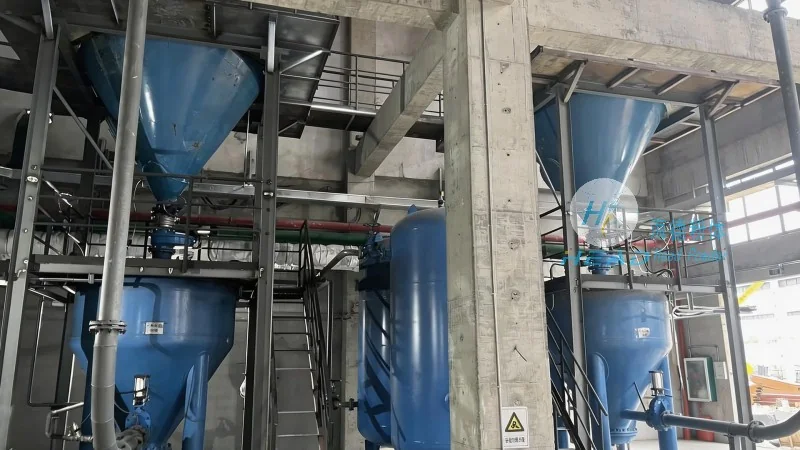
Key Components of the Gravity Dust Removal Pneumatic Conveying System
The gravity dust removal material pneumatic conveying equipment consists of several integral components that work in tandem to ensure efficient material transport and air purification. The primary components include a hopper for material storage, a dust separator (gravity dust collector) to remove particulates from the air stream, a conveying pipeline system, and a discharge outlet for the processed material. Each component is designed to optimize performance, minimize downtime, and enhance overall system efficiency. The hopper serves as the initial storage unit, feeding material into the system at a controlled rate. The dust separator, often equipped with a gravity-based filtration mechanism, uses the principle of particle size and density to separate dust from the air, ensuring that only clean air is discharged and the collected dust is properly handled. The conveying pipeline, typically made of durable materials such as stainless steel or high-density polyethylene, transports the material from the hopper to the discharge point, maintaining consistent flow rates and pressure. The discharge outlet is strategically positioned to direct the material to its final destination, such as a storage silo or processing unit.
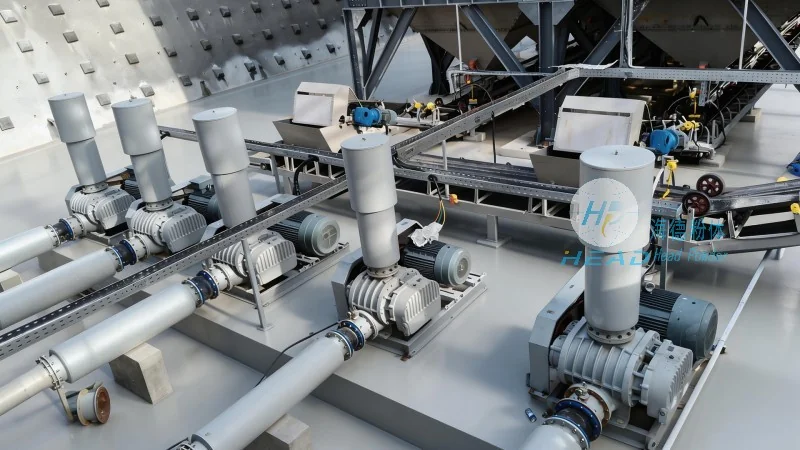
Operation Process of the Gravity Dust Removal Pneumatic Conveying Equipment
The operation of the gravity dust removal material pneumatic conveying equipment follows a systematic process that ensures smooth and continuous material handling. The process begins with the loading of raw material into the hopper. As the material is fed into the system, an air stream is introduced, creating a negative pressure environment that draws the material through the conveying pipeline. The air stream, combined with the material, moves through the dust separator, where larger particles are separated due to gravity and collected in a hopper or container. The cleaned air then exits the system, while the separated dust is collected for further processing or disposal. The conveying system maintains a consistent flow rate by adjusting the air pressure and material feed rate, ensuring that the material is transported efficiently without clogging or blockages. The entire process is automated to a large extent, with sensors and control systems monitoring the pressure, flow rate, and material level to maintain optimal performance. This automation reduces the need for manual intervention, minimizing human error and enhancing operational reliability.
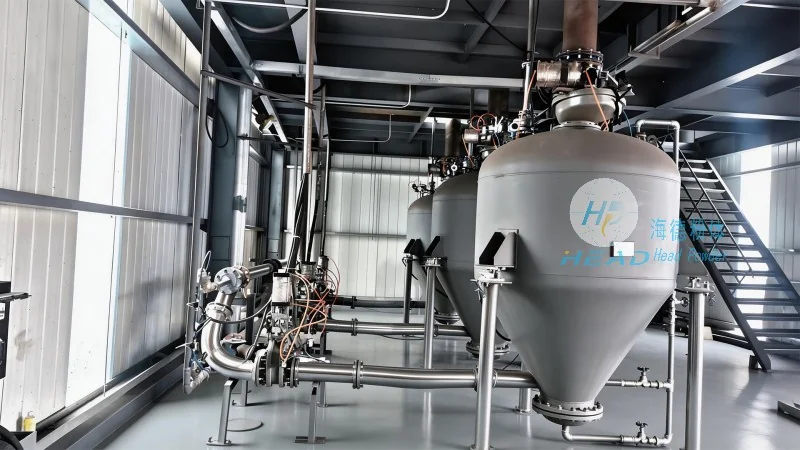
Working Principle of the Gravity Dust Removal Mechanism
The working principle of the gravity dust removal component is based on the fundamental physics of particle separation. As the air stream carrying the material passes through the dust separator, the larger and heavier particles are subjected to gravitational forces that cause them to settle or be captured by the separator's internal surfaces. The smaller, lighter particles remain suspended in the air stream and continue to the discharge point. This separation is achieved through the design of the separator, which often includes a series of inclined plates or a baffle system that directs the air flow and allows for the natural settling of larger particles. The efficiency of the gravity dust removal process is influenced by several factors, including the particle size distribution of the material, the air velocity, and the design of the separator. Optimal conditions are maintained by adjusting the air pressure and flow rate to ensure that the material is conveyed at a suitable velocity without causing excessive wear or clogging. The collected dust is then removed from the separator at regular intervals, ensuring that the system operates at peak efficiency and prevents the buildup of material that could reduce performance.
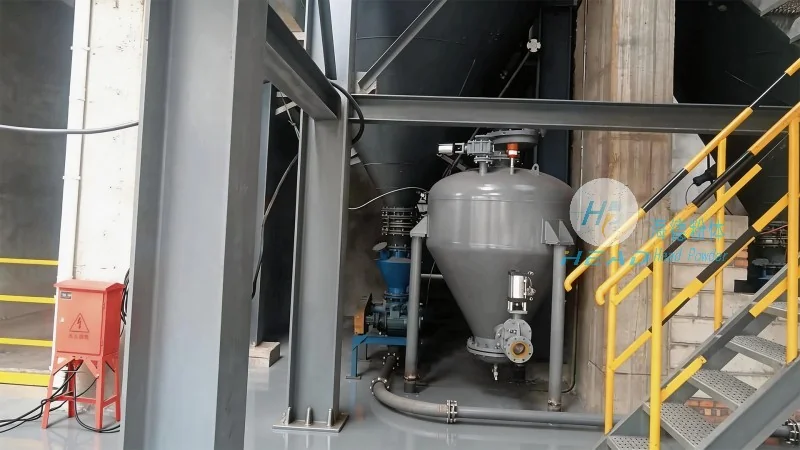
Advantages and Applications of the Gravity Dust Removal Pneumatic Conveying Equipment
The gravity dust removal material pneumatic conveying equipment offers several advantages that make it a preferred choice in various industrial applications. One of the key advantages is its ability to handle fine and abrasive materials without causing wear or damage to the system components. The gravity dust removal mechanism ensures that the air stream is kept clean, reducing the need for frequent maintenance and replacement of filters or separators. Additionally, the equipment is designed to operate with minimal energy consumption, making it an environmentally friendly and cost-effective solution for material handling. The system is also highly versatile, capable of handling a wide range of materials, including powders, granules, and bulk solids, with varying particle sizes and densities. This versatility makes it suitable for applications in industries such as pharmaceuticals, food processing, chemical manufacturing, and mining. In pharmaceutical applications, the equipment is used to transport raw materials and finished products, ensuring that the materials are handled in a sterile and controlled environment. In food processing, the equipment is used to convey ingredients and finished products, maintaining hygiene and preventing contamination. In chemical manufacturing, the equipment is used to transport reactive materials and byproducts, ensuring safety and efficiency. In mining, the equipment is used to transport ore and waste materials, optimizing the material handling process and reducing labor costs.