

Operation Process and Working Principle of Calcium Carbide Powder Pneumatic Conveying Line
Calcium carbide powder pneumatic conveying lines are critical industrial equipment designed for the efficient transportation of calcium carbide powder from one location to another. As a specialized solution, these systems are engineered to handle the unique characteristics of calcium carbide powder, ensuring safe and reliable material transfer. In this article, we will delve into the operation process and working principle of such a system, highlighting the key components and the step-by-step procedure involved in its functionality.
Key Components of the Pneumatic Conveying System
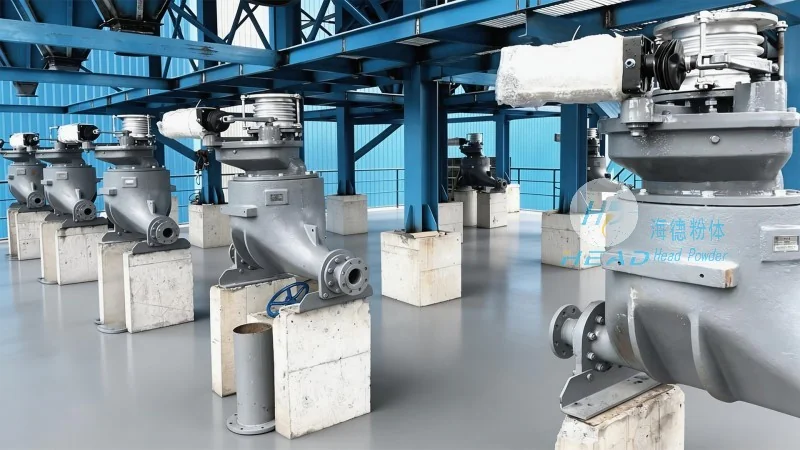
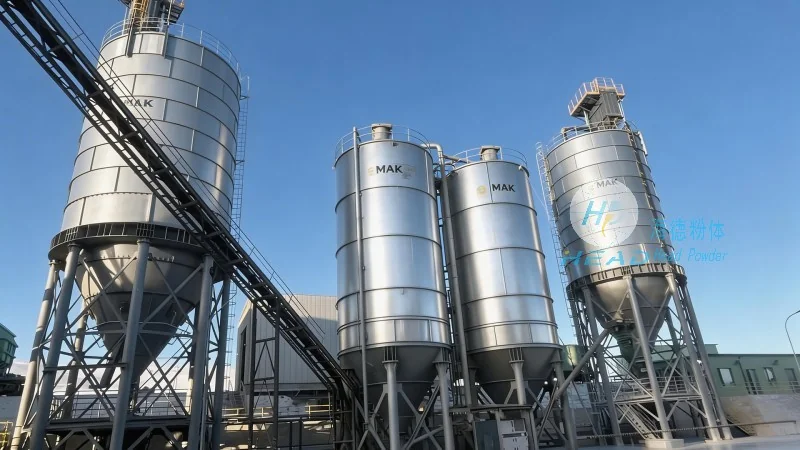
The pneumatic conveying line for calcium carbide powder typically comprises several critical components that collaborate to achieve effective material transport. These components include a hopper for material storage, a rotary valve for controlled discharge, a pipeline system for conveying the powder, a blower or compressor to generate the necessary air pressure, and a dust collector or filter to maintain air quality and prevent dust contamination. Each component plays a vital role in the overall operation, contributing to the smooth and efficient movement of calcium carbide powder.
Operation Process of the Pneumatic Conveying Line
The operation of a calcium carbide powder pneumatic conveying line involves a series of sequential steps that ensure the material is transferred safely and efficiently. The process initiates with the loading of calcium carbide powder into the hopper. The hopper is equipped with a level indicator to monitor the material level, and a rotary valve is used to control the flow rate of the powder into the pipeline. Once the powder is discharged from the rotary valve, it is mixed with the air from the blower, creating a slurry or suspension that is then propelled through the pipeline. The air pressure generated by the blower provides the necessary force to move the powder along the pipeline, ensuring that it reaches the destination point without clogging or loss of material. The conveying process continues until the desired amount of powder has been transported, after which the system can be stopped or adjusted as needed.
Working Principle of the Pneumatic Conveying System
The working principle of the calcium carbide powder pneumatic conveying line is based on the principle of pneumatic transport, where the material is carried by a stream of air. The system operates by creating a pressure differential between the inlet and outlet of the pipeline. The blower or compressor generates a high-pressure air stream that enters the pipeline at the inlet, while the outlet is connected to a receiver or storage tank. As the air flows through the pipeline, it carries the calcium carbide powder particles along with it, forming a dense phase or dilute phase flow depending on the system design. The density of the flow can be adjusted by controlling the air flow rate and the powder feed rate. The system is designed to maintain a stable flow rate and pressure, ensuring that the powder is transported without segregation or degradation. The dust collector or filter at the outlet removes any fine particles from the air, ensuring that the exhaust air is clean and compliant with environmental regulations.
Advantages of Using Pneumatic Conveying for Calcium Carbide Powder
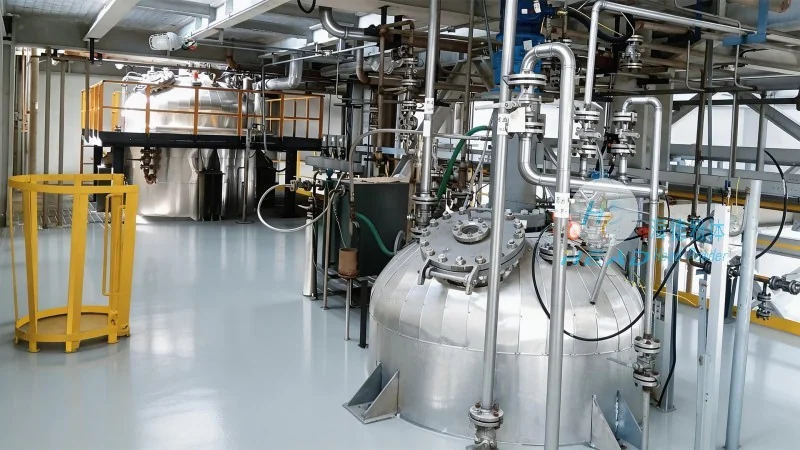
There are several advantages to using a pneumatic conveying system for calcium carbide powder. Firstly, it provides a continuous and automated material transfer process, reducing the need for manual handling and labor. This not only improves efficiency but also enhances safety by minimizing the risk of dust exposure and material spillage. Secondly, the system is capable of transporting calcium carbide powder over long distances without the need for intermediate storage or transfer points. This makes it ideal for applications where the powder needs to be moved from a production facility to a processing plant or storage area. Thirdly, the pneumatic conveying system is flexible and can be easily adjusted to accommodate changes in the powder feed rate or the distance of transport. This adaptability makes it a versatile solution for various industrial applications. Additionally, the system is relatively low maintenance compared to other material handling methods, as it has fewer moving parts and is less prone to wear and tear.
Applications of Calcium Carbide Powder Pneumatic Conveying Lines
Calcium carbide powder pneumatic conveying lines are widely used in various industrial applications where calcium carbide is a key raw material. Some common applications include the production of acetylene gas, which is used in welding and cutting applications. The powder is transported from the production facility to the acetylene generation plant, where it is reacted with water to produce acetylene gas. Another application is in the production of calcium cyanamide, a fertilizer used in agriculture. The powder is conveyed from the production plant to the storage or processing facility, where it is further processed into the final product. Additionally, the system is used in the chemical industry for the transport of other fine powders that require similar handling characteristics as calcium carbide powder.